
Film Movement Context
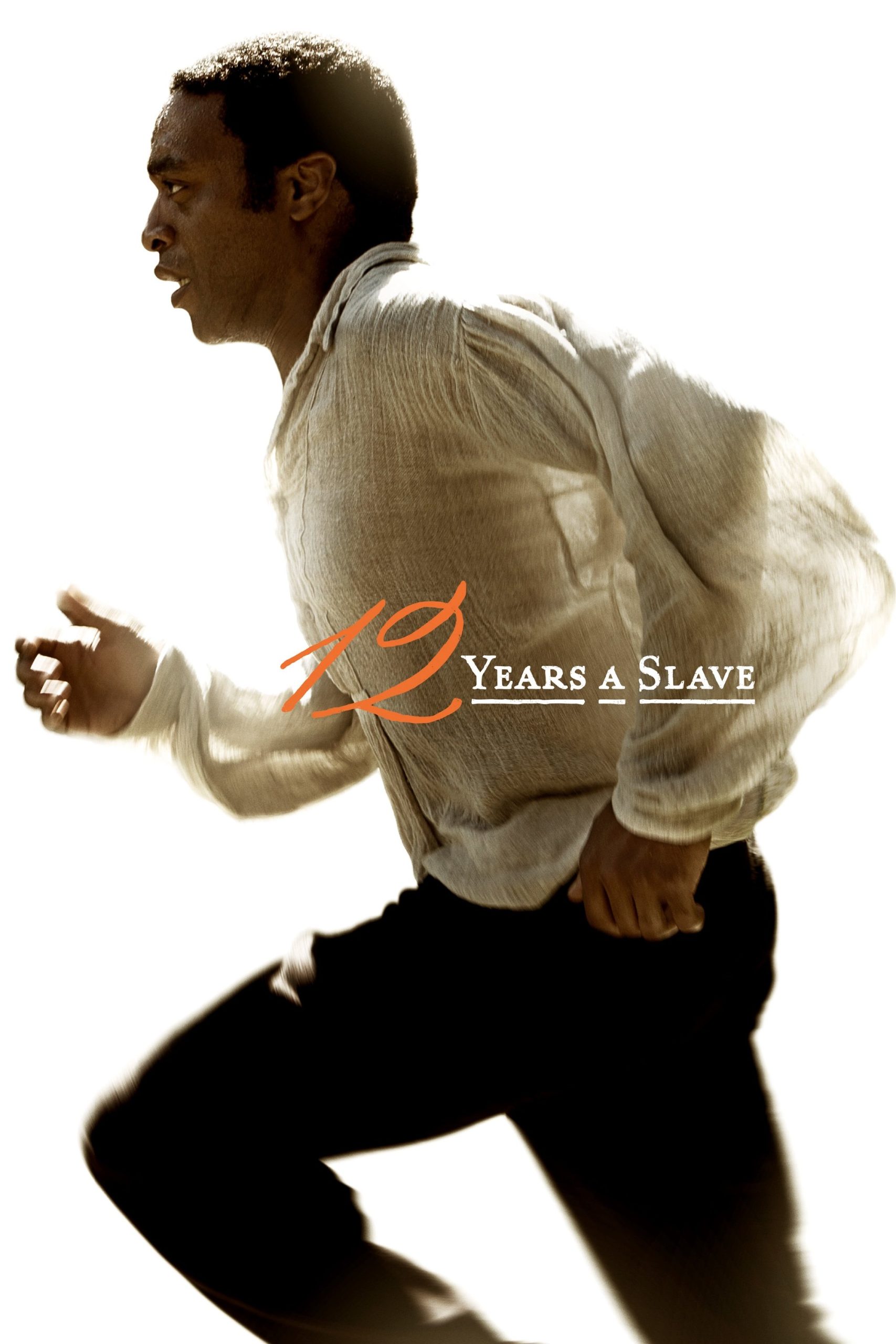
12 Years a Slave (2013), directed by Steve McQueen, is most closely associated with the tradition of Historical Realism, and within that, the larger movement of New Historical Cinema. This film movement is marked by its commitment to representing marginalized historical realities with authenticity, rigor, and emotional depth, challenging previous mainstream representations that often minimized or distorted difficult subject matter. The film is also part of a contemporary wave of Revisionist Historical Drama, utilizing modern sensibilities and cinematic techniques to revisit historical periods from perspectives frequently overlooked or suppressed. In addition, its aesthetic and ideological strategies connect it to the broader legacies of social realism and the politically charged cinema of resistance that seeks to highlight, interrogate, and revise collective historical memory through cinematic form.
Historical Origins of the Movement
The roots of Historical Realism and New Historical Cinema emerge in response to longstanding Hollywood conventions that prioritized spectacle, melodrama, or sanitized versions of historical events, often favoring dominant cultural narratives at the expense of nuance or accuracy. From the Italian Neorealism of the late 1940s—which foregrounded ordinary lives and real locations as a counterpoint to fascist propaganda and studio artificiality—there developed an international appetite for films that not only depicted historical events, but also interrogated their personal and collective consequences.
By the late 20th century, heightened political consciousness and increased access to academic critical race theory, postcolonial studies, and subaltern perspectives intensified a desire for cinematic works to reflect underrepresented voices and reevaluate mainstream historical narratives. Filmmakers like Costa-Gavras, Haile Gerima, and later Ava DuVernay and Barry Jenkins contributed to a lineage where authorship, verisimilitude, and narrative agency in confronting history’s traumas were central. This movement’s contemporary resurgence is tied to a global reckoning with colonialism, slavery, and institutional violence. The emerging demand for authentic storytelling coincided with technological advancements that enabled more visceral forms of realism—through digital cinematography, location shooting, and immersive sound design—pushing historical films beyond the realm of costume drama into deeply experiential territory.
In the United States in particular, the “plantation genre,” once dominated by films like Gone with the Wind (1939), began to face serious revision. The movement toward New Historical Cinema manifests in films that not only depict history with greater fidelity, but also foreground the psychological impact and agency of those previously relegated to the margins—especially enslaved Africans and their descendants in the context of American cinema.
This Film’s Contribution to the Movement
12 Years a Slave is a landmark work within New Historical Cinema for its unflinching portrayal of American slavery from the subjective perspective of Solomon Northup, a free Black man kidnapped into bondage. The film eschews the melodrama and sentimentality that characterized earlier representations of slavery, deploying a deliberate, observational aesthetic and a narrative structure that privileges Black experiences and voices.
Steve McQueen’s direction exemplifies the movement’s emphasis on authenticity, not only in period detail and linguistic accuracy, but through the use of long takes, unbroken camera movement, and an unobtrusive observational style. These choices resist the traditional spectacle and instead foster immersion and empathy. The film’s violence is neither sensationalized nor sanitized; it is presented with a matter-of-fact realism that forces the viewer to confront the trauma and dehumanization inherent in the institution of slavery.
Crucially, 12 Years a Slave advances the movement by foregrounding the interiority of its Black protagonists. The character of Solomon is not merely a passive victim or a didactic mouthpiece, but a fully realized individual whose struggle for survival and dignity is rendered with complexity. Unlike the “white savior” narratives that pervade many films dealing with race and history (Mississippi Burning, The Help), McQueen’s work makes the experiences of enslaved individuals the film’s emotional and narrative core, placing the audience in their subject position and demanding sustained engagement with systemic horror.
Furthermore, the film incorporates the traditions of social realism by drawing clear connections between individualized suffering and broader systems of economic, legal, and racial exploitation. This is evident not only in the narrative details, but also in the film’s soundscape, production design, and editing, all of which reinforce the sense of lived, unmitigated reality. In synthesizing these methodologies, 12 Years a Slave emerges as a quintessential expression of New Historical Cinema and a powerful argument for the political importance of historical realism in contemporary film.
Influence on Later Genres and Films
-
Reinvigoration of Historical Drama as Political Cinema –
12 Years a Slave established a model for historical films that blend formal rigor with political urgency. Its commercial and critical success demonstrated an audience appetite for nuanced, difficult subjects, encouraging filmmakers and studios to greenlight projects that engage history as an arena for reckoning with national traumas. Films such as Harriet (2019) and series like Underground (2016-17) took explicit cues from McQueen’s approach—depicting Black resistance and survival with depth and specificity, while avoiding the tropes of oversimplified heroism or moral didacticism. -
Shifts in Representational Ethics –
The film’s emphasis on Black authorship and lived experience altered the landscape of who gets to tell which historical stories, contributing to industry-wide conversations about diversity behind and in front of the camera. Its critical acclaim intensified scrutiny of films that trivialized or erased Black suffering, placing pressure on studios to consult community stakeholders, hire Black writers and directors for related projects, and move away from depictions centered solely on white perspectives. This is reflected in the productions of works such as Ma Rainey’s Black Bottom (2020) and If Beale Street Could Talk (2018), where subjectivity and authorship are inseparable from form. -
Integration of Realism into Mainstream Awards Cinema –
While past best picture contenders often favored stylization or mythmaking, the film’s Oscar success signaled the arrival of realism and unvarnished history in the mainstream. In its aftermath, films such as Moonlight (2016), Roma (2018), and Judas and the Black Messiah (2021) were met with greater mainstream and institutional receptivity, fostering a new era of prestige films that eschew melodrama in favor of narrative complexity, subjective realism, and emotional specificity.
The Movement’s Lasting Impact
The continuing relevance of New Historical Cinema, and by extension the tradition of Historical Realism, lies in its capacity to transform not only mainstream cinematic practice but also cultural understanding of the past. In a media landscape saturated with myth, nostalgia, and deliberate obfuscation, the movement asserts film’s potential as a tool for empathy, critique, and remembrance. By refusing to dilute, allegorize, or obscure the reality of systemic oppression—whether under slavery, segregation, or other forms of domination—these films counteract the historical amnesia perpetuated by earlier genres.
The enduring legacy of the movement is twofold. First, it democratizes historical representation, insisting that those most affected by historical forces should be at the center of their own stories. Second, it reinvigorates cinema’s moral and educational function, asking viewers to not simply consume depictions of the past, but to reckon with their own relation to it. The movement has thus broadened the purview and social utility of historical drama, making it a vital space for artistic, ethical, and political reflection.
12 Years a Slave occupies a crucial position within this evolution, embodying the movement’s aspirations through innovative form, ethical rigor, and emotional gravity. Its legacy is measured not only in awards or influence, but in its enduring challenge to audiences and industry alike: to depict the past with honesty, specificity, and the conviction that truth in cinematic storytelling is inseparable from the pursuit of justice.