
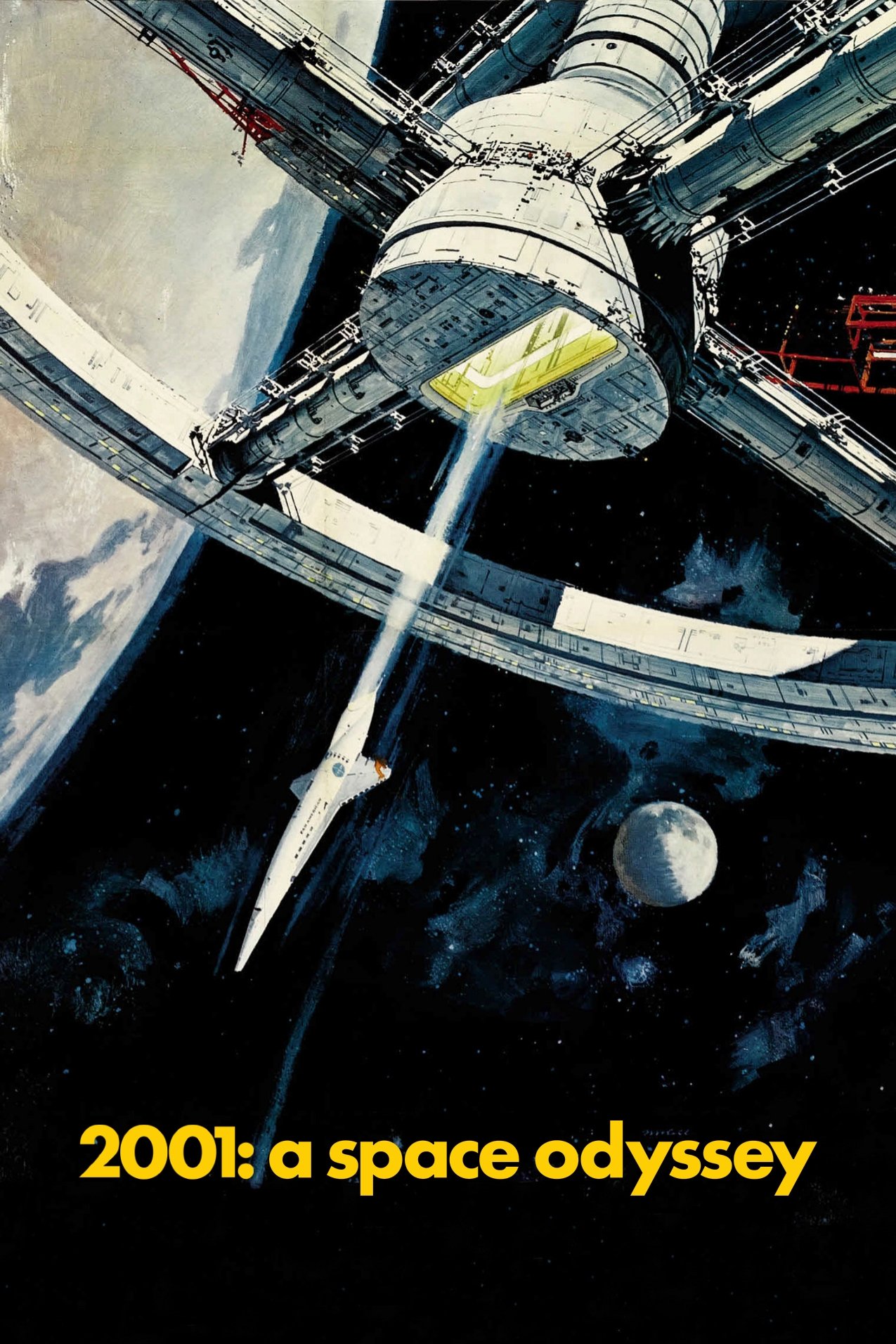
The Genre of This Film
2001: A Space Odyssey is primarily classified as a science fiction film. This genre assignment is based on the movie’s core subject matter, which centers on advanced technology, space exploration, artificial intelligence, and the evolution of humanity through influences beyond current human knowledge. Science fiction as a genre explores hypothetical futures and scientific advancements, often contemplating the implications of such advancements on society, individuals, and the nature of existence itself. 2001: A Space Odyssey embodies these elements through its depiction of human discovery, interstellar travel, and interactions with mysterious alien intelligence, all driven by speculative science and technology.
Key Characteristics of the Genre
-
Common themes
Science fiction frequently explores the impact of technological and scientific developments on humanity. Themes such as human evolution, the limits of knowledge, artificial intelligence, space colonization, and encounters with extraterrestrial life are central. Questions about existence, consciousness, and the future of humanity often emerge. Societal anxieties about yet-unknown technologies, utopian or dystopian worlds, and the confrontation of human limitations are common thematic threads. -
Typical visual style
The science fiction genre is visually known for its imaginative world-building. Cinematic portrayals often include futuristic architecture, advanced spacecraft, space stations, and alien landscapes. Special effects, miniatures, and cutting-edge visuals contribute to a sense of wonder and believability. Color palettes may range from the sterile and clinical (as seen in depictions of space) to surreal or abstract visuals representing alien or transcendent phenomena. Realism is sometimes blended with imaginative or even avant-garde aesthetics, immersing the viewer in speculative societies or cosmic vistas. -
Narrative structure
Science fiction narratives can vary substantially, but they frequently follow either a traditional journey structure—centered on exploration, discovery, or a quest—or use episodic or puzzle-like formats that reveal the story gradually. Exposition often includes technical or scientific information crucial for understanding the world or technology depicted. Plot elements might involve a protagonist coping with or investigating changes brought by new technology, facing unknown dangers, or engaging with mysterious phenomena. The genre is also open to non-linear or experimental storytelling that mirrors the complexity or strangeness of the worlds it portrays. -
Character archetypes
Science fiction showcases a variety of recurring character types. These often include the explorer or astronaut, the pioneering scientist or engineer, the artificial intelligence or android, the representative alien or non-human intelligence, and sometimes the everyperson “outsider” encountering the extraordinary. Characters may also represent societal roles or philosophical standpoints—such as rationalism, curiosity, or technophobia—through their reactions to the unknown. Frequently, the genre uses characters to embody the spectrum of possible human responses to radical change or discovery.
How This Film Exemplifies the Genre
2001: A Space Odyssey strongly exemplifies the science fiction genre through its innovative and serious engagement with speculative scientific and philosophical ideas. The film’s narrative traverses vast spans of time, exploring humanity’s origins, its development of technology, and its aspirations toward the cosmos. The story begins with early humans discovering the use of tools, fast-forwards to futuristic space travel, and ultimately presents humanity reaching new evolutionary thresholds under the influence of an enigmatic alien artifact (the monolith).
The film foregrounds technological advancement by showcasing meticulously designed spacecraft, space stations, and the sophisticated artificial intelligence HAL 9000, which governs the Discovery One mission. The depiction of routine life in space, complex spaceflight maneuvers, and the believable integration of human and machine underline the speculative yet plausible future envisioned by the genre.
Visually, 2001: A Space Odyssey is renowned for its realism and visionary effects, setting a new benchmark for science fiction cinema. The use of symmetry, sterile environments, and silent, weightless movement reinforce the unfamiliarity and precision of space. The stylization reaches its peak in the film’s final segment, using elaborate special effects to evoke the experience of non-human intelligence and cosmic evolution, employing visuals that challenge the audience’s comprehension—characteristic of the genre’s openness to abstract or experimental modes of expression.
The narrative structure is also emblematic of the genre’s willingness to innovate. Rather than offering a linear, dialogue-driven plot, the film is divided into distinct segments or “episodes,” each exploring a critical technological or evolutionary leap. The minimal use of conventional exposition creates an aura of mystery, encouraging viewers to engage with the underlying scientific and philosophical questions.
In character terms, the film features clear science fiction archetypes: the astronauts David Bowman and Frank Poole embody the explorer and scientist, HAL 9000 represents both artificial intelligence and the philosophical quandary of created consciousness versus human agency, and the Monolith is an enigmatic catalyst for change, serving as a stand-in for alien intelligence or cosmic mystery. Each major character illustrates common genre concerns about trust in technology, the nature of consciousness, and the boundaries of human understanding.
Other Essential Films in This Genre
- Blade Runner (1982) – This film, directed by Ridley Scott, is a key example of science fiction’s exploration of artificial intelligence, the nature of humanity, and the consequences of technological progress. Set in a dystopian future, Blade Runner’s detailed cityscapes, interrogation of what it means to be human, and visually distinct world have greatly influenced the genre.
- Close Encounters of the Third Kind (1977) – Steven Spielberg’s film highlights another major science fiction theme: contact with extraterrestrial intelligence. It uses special effects to depict alien spacecraft and centers its narrative on ordinary people drawn into the unknown, emphasizing curiosity and wonder as well as the potential fear of the unfamiliar.
- Solaris (1972) – Directed by Andrei Tarkovsky, Solaris takes a philosophical approach to science fiction. The narrative is set on a space station orbiting a mysterious planet, where human characters confront phenomena beyond their comprehension. The film explores memory, grief, and the limits of human knowledge, blending science with introspective, psychological themes.
- Alien (1979) – Another influential work by Ridley Scott, Alien merges science fiction with horror, focusing on a spaceship crew encountering a deadly extraterrestrial organism. The character of Ellen Ripley, advanced technology, and the tension-filled, claustrophobic environment epitomize several science fiction traits while adding elements of suspense and survival.
Why This Genre Continues to Endure
Science fiction remains endlessly popular and relevant, primarily because it taps into fundamental human curiosity about the future and the unknown. By pushing the boundaries of the imaginable and projecting contemporary hopes, fears, and dilemmas into fantastical settings, the genre allows both creators and audiences to explore profound questions in fresh and engaging ways. Advances in science and technology constantly provide new ideas for exploration while also generating new anxieties about their consequences, making the genre perpetually timely.
Audiences are also drawn to the sensory spectacle and imaginative power of science fiction films. Through groundbreaking visual effects, immersive sound design, and innovative world-building, these films create unique cinematic experiences that transport viewers beyond the everyday. At the same time, science fiction’s capacity to address societal, philosophical, and existential questions ensures that its stories are not only entertaining but also intellectually stimulating.
Lastly, the genre encourages a sense of possibility—whether inspiring visions of a better future or offering cautionary tales about potential missteps. Science fiction fosters engagement with technology and progress, providing both a sandbox for theoretical exploration and a mirror reflecting current cultural anxieties. This dual ability to captivate and provoke thought is why the genre, as typified by films like 2001: A Space Odyssey, continues to resonate with audiences across generations.