
Film Movement Context
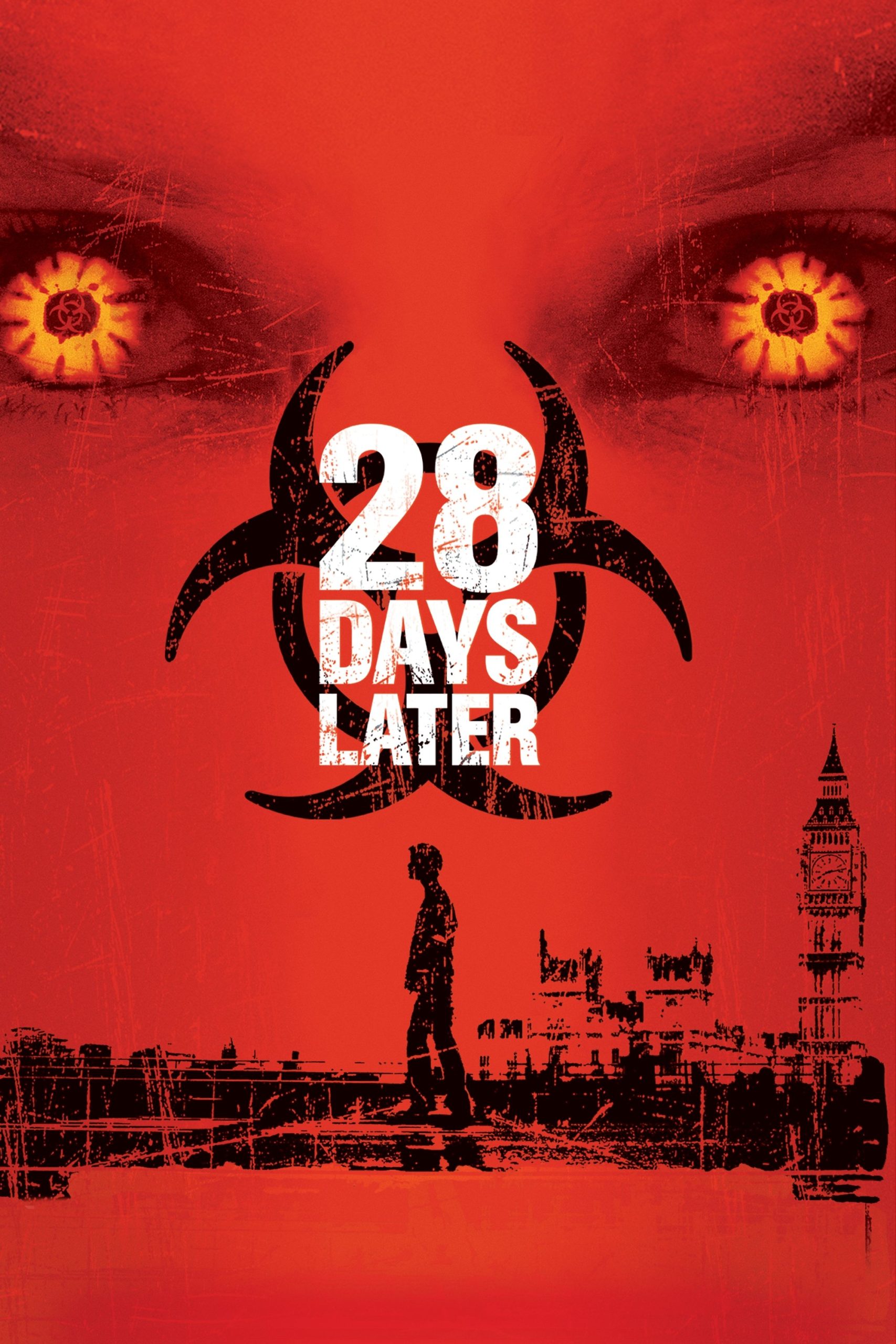
“28 Days Later,” directed by Danny Boyle and released in 2002, is widely credited as a central work in the postmodern horror revival and the neo-zombie film movement. This film straddles the line between horror and science fiction, contributing significantly to a resurgence of the zombie subgenre in cinema. It also exemplifies the incorporation of digital filmmaking techniques, brutal realism, and genre hybridity that marked early 21st-century horror cinema. The movie operates within a lineage that includes the splatter horror and exploitation films of the 1970s and 1980s but updates the genre’s tropes for a new millennium characterized by post-9/11 anxieties and technological advancements. Its significance lies in both reviving the zombie narrative tradition and reconfiguring the thematic scope and visual style of genre films through a postmodern lens.
Historical Origins of the Movement
The origins of the modern zombie film movement can be traced back to George A. Romero’s groundbreaking works, especially “Night of the Living Dead” (1968). Romero’s films took the concept of zombies—creatures rooted in Haitian folklore—and transformed them into metaphors for societal anxieties, often using the undead to explore themes of consumerism, racism, and the breakdown of social order. In the subsequent decades, zombie films proliferated, often as low-budget shock pieces or black comedies.
The late 1990s and early 2000s saw significant cultural and technological changes that set the stage for a renewal within the horror genre. The rise of digital video opened doors to cost-effective, immediate filmmaking, and a new generation of filmmakers began to experiment with more raw, urgent visual styles. International crises, such as fears surrounding pandemics (e.g., mad cow disease, SARS), bioterrorism, and the aftershocks of the September 11 attacks, brought themes of apocalypse and societal collapse back to the forefront of public consciousness. The neo-zombie film movement, therefore, emerged from a convergence of analytic self-awareness, generic exhaustion, and sociopolitical unease—in essence, a classic postmodern moment where old genres are upcycled for new relevance. This movement distinguished itself from its predecessors through increased emphasis on speed, realism, moral ambiguity, and technological anxiety, which “28 Days Later” epitomizes.
This Film’s Contribution to the Movement
“28 Days Later” is a seminal work that both revives and significantly reshapes the zombie horror subgenre. While previous zombie films often depicted slow-moving undead, Boyle’s creatures—technically not “zombies” in the traditional sense, but living humans infected with the Rage virus—move with frenetic speed and terrifying aggression. This innovation reimagined the zombie as a reflection of viral contagion and unbridled violence, aligning the narrative more closely with contemporary fears about biological warfare and pandemics.
The film’s utilization of digital video technology marked a radical aesthetic shift. The grainy, handheld cinematography—handled by Anthony Dod Mantle—evoked documentary realism, immersing audiences in a palpably raw and unsettled world. This approach was not simply a technical choice but directly informed the affective experience of the film, grounding its apocalyptic vision in something unnervingly plausible. As such, “28 Days Later” pioneered a visual style now closely associated with postmodern horror and thriller genres.
Narratively, the film investigates the breakdown of social structures and the collapse of British identity. Its deserted London vistas—filmed at dawn to create the illusion of emptiness—became iconic, evoking both the legacy of atomic-age British science fiction and the contemporaneous dread of terrorism and societal disintegration. Boyle’s depiction of authority figures is deeply ambivalent; the military, portrayed as both potential saviors and predatory threats, reinforces the film’s skepticism about the viability of traditional institutions in crisis. A pronounced genre hybridity—blending horror, science fiction, and survival drama—further distinguishes the film, epitomizing a postmodern sensibility that blurs boundaries and subverts conventions.
Through these contributions, “28 Days Later” catalyzed a global reimagining of horror, influencing filmmakers worldwide and reinvigorating a genre once considered culturally exhausted.
Influence on Later Genres and Films
- Redefinition of the Zombie Archetype – Following “28 Days Later,” the trope of the fast-moving infected became standard in zombie media, from Zack Snyder’s “Dawn of the Dead” (2004) to “[Rec]” (2007) and the global phenomenon of “World War Z” (2013). Even The Walking Dead franchise, a dominant force in 21st-century genre media, acknowledges the influence of this accelerated zombie.
- Adoption of Digital, Realist Aesthetics in Horror – The film’s success with digital cameras and handheld, quasi-documentary techniques paved the way for a wave of “found footage” and similarly immersive horror films, most notably “Cloverfield” (2008) and “[Rec]” (2007), as well as aspects of “Paranormal Activity” (2007) and “District 9” (2009). These films embraced gritty realism to generate immediacy and emotional engagement, often on limited budgets.
- Socio-Political Subtext and Genre Hybridization – “28 Days Later” reinvigorated the practice of infusing horror films with overt social commentary and cross-genre experimentation. Its exploration of militarization, gender, trauma, and the fragility of civilization has inspired subsequent works such as “The Road” (2009), “Children of Men” (2006), and “Train to Busan” (2016), all of which blend genre with critical reflection on contemporary crises.
The Movement’s Lasting Impact
The postmodern neo-zombie film movement, invigorated by “28 Days Later,” offers a vital template for understanding how genre cinema adapts to shifting cultural, technological, and political landscapes. Its lasting influence stems from several interconnected factors. It re-legitimized horror as a mode for engaging with pressing social concerns—such as epidemic disease, governmental collapse, and the psychological toll of catastrophe—thus extending its relevance well beyond mere spectacle. The movement’s aesthetic innovations, particularly the embrace of digital technology and guerrilla filmmaking, democratized film production and fostered new modes of audience immersion. Moreover, the genre hybridity characteristic of this movement allows both creators and viewers to traverse boundaries between horror, action, science fiction, and drama, unlocking new forms of narrative dynamism and thematic richness.
In sum, the movement matters today not only because it redefined a cinematic archetype—the zombie—but because it supplied an enduring framework through which filmmakers could process, reflect, and critique the volatility of our contemporary world. “28 Days Later” thus stands as a pivotal work, both a product and a catalyst of ongoing genre evolution in 21st-century cinema.