
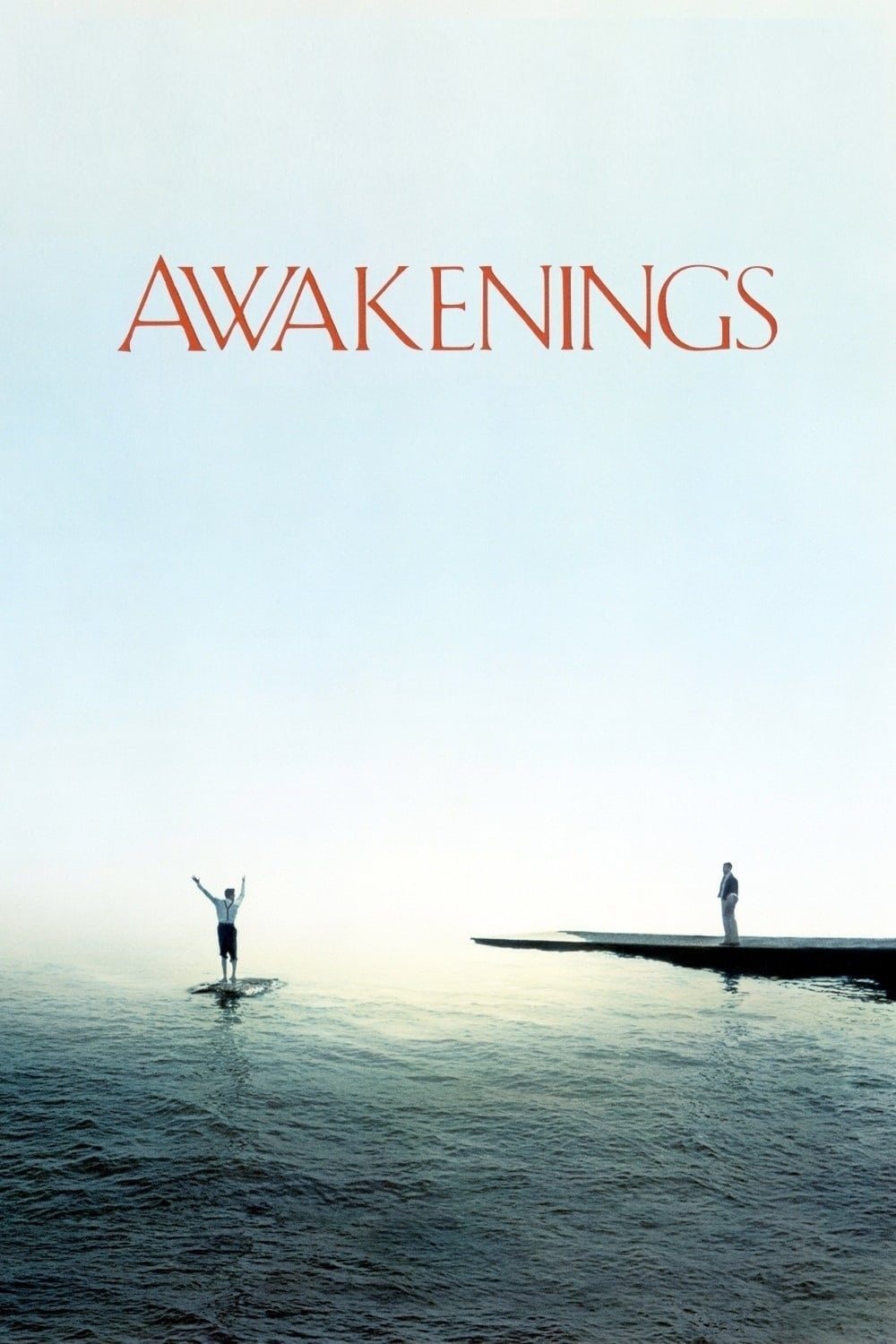
The Genre of This Film
I remember the first time I watched “Awakenings”—I was swept up in the heartfelt interplay between hope and realism, subtlety and transformation. For me, this film is an outstanding example of the medical drama genre. Although there are elements that might whisper about other genres—biographical, inspirational, and even the occasional comedic undertone—I consistently experience it first and foremost as a medical drama. The core of the film, as I interpret it, revolves around the emotional and ethical stakes of medicine, chronic illness, and human resilience. I don’t just see doctors and patients; I witness fragile connections, the weight of scientific responsibility, and a journey of empathy. All these are hallmarks of the medical drama in its classic form.
Key Characteristics of the Genre
-
Common themes
In my experience, stories that fit within the medical drama wheelhouse typically gravitate toward the intersection of science and morality. There’s always a deep preoccupation with issues like suffering, healing, mortality, and the sometimes unbridgeable divide between what medicine can do and what patients need on an emotional level. I often see medical dramas ask questions about professional ethics, the progress of medical knowledge, and the drive—sometimes obsession—to find solutions to impossible problems. Betrayed hope is as familiar to me in this genre as triumph; in fact, it’s often the tension between the two that keeps me invested. -
Typical visual style
Whenever I immerse myself in medical dramas, I notice a reliance on realism in the setting. Sterile white coats, the cold gleam of hospital rooms, and the subtle choreography of nurse and doctor movement always seem to ground these films. Naturalistic lighting and a muted color palette evoke both the clinical and deeply personal sides of medicine. I appreciate how these visual choices amplify emotional intimacy—close-ups on trembling hands, worried glances, the contrast of medical machinery against vulnerable human bodies. The genre rarely resorts to flashy or stylish cinematography; instead, it cultivates authenticity and draws me into the world as if I might overhear every whispered hope or disappointment. -
Narrative structure
I find that medical dramas thrive on an arc that mirrors real-life uncertainty. The narrative is almost always character-driven, often focusing on the evolution of a patient’s treatment or a doctor’s moral conflict. Many of my favorite examples start with a case or condition—sometimes notorious, sometimes obscure—followed by attempts at treatment, complications, apparent breakthroughs, and, more than not, difficult setbacks. Resolution, when it comes, is usually tempered with ambiguity. I rarely expect neat endings from these stories; they tend to acknowledge the ongoing struggle and unreliability of medicine, mirroring the rhythm of actual hospitals. -
Character archetypes
It’s hard for me to imagine a medical drama without certain recognizable figures. There’s the dedicated physician—sometimes a maverick, sometimes a cautious observer—whose passion or empathy drives the story. The patient (or patients) often serve as both subjects and symbols: their condition propels the plot, but their personal journey is what really hooks me. There’s frequently a skeptical administrator or authority figure, placing institutional or financial barriers in the doctor’s path. I often encounter supporting colleagues: a nurse or fellow doctor, acting as confidant, skeptic, or moral compass. The relationships among these archetypes—sometimes harmonious, more often fraught—supply the emotional engine of the genre.
How This Film Exemplifies the Genre
Watching “Awakenings,” I often feel as though I’m peering into the very beating heart of the medical drama format. Everything about it, from the gentle but unflinching way the camera lingers on patients’ faces to the professional urgency that pulses through Robin Williams’ portrayal of Dr. Sayer, feels utterly authentic to the genre. For me, the film centers around the moral and emotional consequences of medical innovation—a classic preoccupation. When I see Dr. Sayer break through professional reserve to form real attachments to his patients, I am reminded of every story I’ve seen where doctors grapple with the line between scientific detachment and humane empathy.
The film’s structure speaks in the same voice as its genre peers. I sense the arc moving from a quiet observation of suffering—a group of patients long since written off by the healthcare system—into the tentative hope of a new treatment. The sequence in which the patients, led by Leonard Lowe, emerge from their catatonia is both triumphant and nerve-wracking. Yet the return of symptoms and the collapse of that fleeting hope feels, to me, like the signature of medical drama: there are rarely easy victories, only moments of light in the darkness. I recognize the professional skepticism, the cautious optimism of the staff, and the bureaucratic resistance as classic obstacles. In every character—be it the relentless Dr. Sayer, the emotionally burdened Leonard, or the wary hospital director—I find those genre archetypes alive and vivid.
I’ve come to expect a certain visual modesty from medical dramas, and “Awakenings” doesn’t disappoint. The restrained lighting, the honest color tones, the intimacy with which the camera captures both triumph and decline all work together to strip the story of glamor, anchoring it in what I see as the unvarnished reality of human fragility. The hospital milieu never lets me forget the story’s grounding in true medical mysteries and ethical dilemmas. Even when the film risks moments of sentimentality, I feel it always circles back to tough truths. For me, that insistence on complexity—on hope tempered by realism and emotional insight—is what elevates “Awakenings” as an exemplary work within medical drama.
Other Essential Films in This Genre
- One Flew Over the Cuckoo’s Nest (1975) – When I reflect on powerful medical drama, this film immediately comes to mind. It draws me deep into the psychiatric ward, challenging the boundaries between care and control. Its unflinching portrayal of institutional medicine and its fraught effect on patients makes it essential viewing for understanding how this genre interrogates power dynamics and the cost of humanizing those written off by society.
- Lorenzo’s Oil (1992) – This film, in my eyes, is one of the most distinctive explorations of parental persistence in the face of medical adversity. I’m struck by its focus on the intersection of layperson intuition and formal medical expertise. Its narrative—centered on desperate parents taking the fight against a rare disease into their own hands—embodies the genre’s classic tension between expertise and empathy, uncertainty and hope.
- Philadelphia (1993) – Although it ventures partly into legal drama, I always remember this film for its potent depiction of the healthcare system’s response to AIDS. “Philadelphia” immerses me in the personal and social ramifications of disease and discrimination, challenging the viewer to consider how medicine intersects with prejudice. Its clinical realism and emotional depth mark it as an indelible contribution to the genre.
- The Doctor (1991) – Watching this film, I’m always taken by the transformation of a detached surgeon into a more empathetic practitioner after becoming a patient himself. This story embodies the medical drama genre’s interest in perspective, compassion, and how facing mortality often breaks down professional boundaries in deeply humanizing ways.
Why This Genre Continues to Endure
What draws me—and so many others—back to medical drama, year after year? For me, it’s not just the spectacle of medical innovation or the drama of high-stakes decision-making. At its best, the genre is a direct line into our deepest anxieties and fiercest hopes about the human body and spirit. I return to these films when I want to see characters—doctors, patients, families—grapple honestly with questions about mortality, compassion, and dignity. There is a kind of vicarious catharsis that medical dramas deliver, a way of facing fears about illness, aging, or inadequacy, buffered by the hope that someone, somewhere, is searching for an answer, a cure, or simply the right gesture of kindness.
I think the enduring popularity of medical drama lies in its dualities: hope and despair, science and humanism, victory and loss. This is a genre uniquely suited to exploring those fault lines where life turns unexpectedly. I often find myself moved not by the technical details of diagnoses or treatments, but by the way these stories remind me of my own vulnerability, and how care—no matter how imperfect—can be transformative for both giver and receiver. People crave stories where the stakes feel real, where ethical ambiguity lives, and where even fleeting moments of connection or recovery seem miraculous. As long as those needs exist, I believe medical drama will remain an essential part of cinema’s landscape, evolving as our understanding of medicine and humanity evolves as well.
If you’re interested in how viewers respond beyond technique, you may want to explore audience and critical reception.
🎬 Check out today's best-selling movies on Amazon!
View Deals on Amazon