
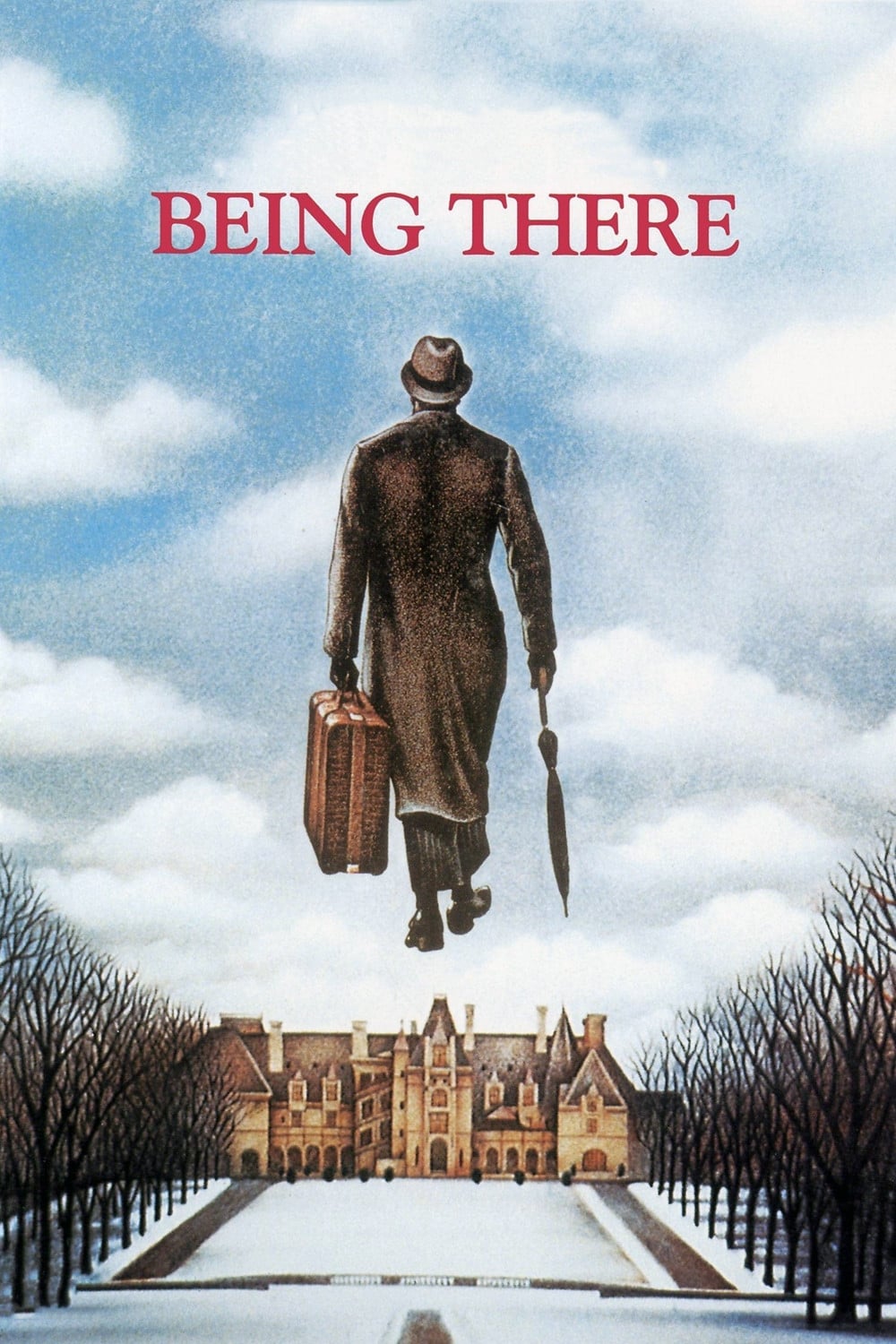
The Genre of This Film
Whenever I return to “Being There,” I am struck by how deftly it dances between boundaries, but there’s no escaping, for me, that this film is first and foremost a social satire. What sets it apart is the way it takes the conventions of satire—a genre rooted in exposing human folly or institutional absurdities—and channels them through quiet absurdity rather than slapstick or overt ridicule. In my experience, “Being There” belongs so comfortably to the satirical lineage because it raises a mirror not just to its characters, but to the whole culture surrounding them, using humor and irony to probe into the systems that shape public perception, media, and politics. The film’s core conceit—an unremarkable man mistaken for a profound thinker—screams satire to me, poking persistent fun at how easily society can be duped by surface impressions and the ceaseless desire to find meaning where none may exist.
Key Characteristics of the Genre
- Common themes
- Typical visual style
- Narrative structure
- Character archetypes
I always find that effective satires take aim at the big structures: government, bureaucracy, media, class divides, or technology. They use wit, irony, and contradiction to shed light on hypocrisy or illogic. There’s usually a purpose behind the laughs—something serious is being critiqued, some flaw or blindness being held up to the light. I’ve come to expect social commentary on misguided authority, misplaced faith, and the shaky foundations of what passes for “wisdom” in various walks of life.
From my viewing, social satires tend not to indulge in flashy aesthetics; instead, they often adopt an understated, almost matter-of-fact visual style that allows the quietly absurd moments to land all the harder. There’s something about stately camerawork, slower pacing, and elegant composition that magnifies the incongruities on display. Wry visual details—unexpected juxtapositions, lingering shots, set design that reflects class or ambition—serve as part of the joke without dominating attention.
I notice satirical films commonly use episodic structures, letting the protagonist drift through situations that each ramp up the absurdity or expose fresh targets. There’s often a protagonist who serves as an outsider or blank slate—someone whose presence forces the “normal” world to show its cracks. Instead of dramatic transformations or clear-cut resolutions, the story often circles around a central premise, escalating the social critique without necessarily tying everything up neatly for the audience.
In my analysis, the genre thrives on exaggerated or archetypal figures: bumbling leaders, credulous followers, self-important experts, or cynical power brokers. Often, the central character is unassuming or naïve, with those around them projecting meaning or intention far beyond what’s there. Supporting roles tilt toward types rather than nuanced individuals, enhancing the sense of the world as a stage on which human folly can be observed and skewered.
How This Film Exemplifies the Genre
What always draws me back to “Being There” is how masterfully it embodies social satire by quietly inflating the ridiculousness of power and perception. In the character of Chance, I see a perfect satirical vessel: his innocence and blandness invite those around him to drape their own assumptions and aspirations over his every utterance. To me, this is classic dry satire—using apparent neutrality as a lens through which to expose the desperate grasping of others for meaning, legitimacy, and order. When society’s elite mistake garden metaphors for political genius, what’s being targeted isn’t just individual foolishness, but the whole edifice of media hype and political myth-making. I am consistently struck by how the film’s gentle tone doesn’t blunt its satirical edge; instead, it makes the critique subtler, almost insidious. Every calm, well-lit scene, and every measured conversation, tightens the screw, highlighting just how farcical the machinery of influence and reputation can be. The slow, patient rhythm gives the audience time to see and feel the buildup of absurdity—something I find uniquely effective in films of this genre. There’s irony in the fact that the more Chance says nothing at all, the more desperately everyone scrambles to praise his wisdom. In my experience, it is satire stripped of bombast, all the more savage for how gently it tiptoes into the heart of American ambition and delusion.
Other Essential Films in This Genre
- Dr. Strangelove or: How I Learned to Stop Worrying and Love the Bomb (1964) – For me, Stanley Kubrick’s nuclear age satire is the purest distillation of official madness pushed to its logical extreme. I love how it dials up the absurdity of Cold War politics with grave-faced idiocy, using impeccable visual control to frame institutional folly as both hilarious and horrifying. The characters and dialogue are so pointedly exaggerated, yet everything feels dangerously plausible.
- Network (1976) – I often revisit this film when I want to see media manipulation dissected with sharp wit and righteous anger. Its satire is ferocious, lampooning the news business and television as engines of cynicism and sensationalism. I’m always struck by how the blend of black humor and social critique rings true for later generations obsessed with media spectacle.
- Election (1999) – In my view, Alexander Payne’s take on high-school politics is an acerbic gem. Every character is an archetype turned up just enough to reflect the competitiveness and pettiness of broader political systems. I am charmed by Payne’s visual restraint—mundane settings, symmetrical shots, understated color—allowing the satire to emerge from characterization and ironic circumstance rather than flamboyance.
- Brazil (1985) – Whenever I want a surreal, visually inventive satire, I turn to Terry Gilliam’s dystopian labyrinth. It takes government bureaucracy to nightmarish extremes, weaving dry humor, fantasy realism, and biting social commentary into a fever dream that never lets me get too comfortable. The film’s exaggerated settings, endless forms, and faceless authority figures all poke fun at dehumanizing systems in ways that stick with me for days afterward.
Why This Genre Continues to Endure
Sitting with films like “Being There” always reminds me why I never tire of social satire: it refuses to let complacency take root, constantly nudging audiences to see the absurd lengths to which people go in the pursuit of validation, power, and order. I think satire endures because the follies it exposes are not just relics of a particular era but reinvent themselves in new guises with every generation. As media, politics, and public opinion become ever more tangled and performative, I find myself craving films that don’t just lampoon the spectacle, but do so with nuance and patience. Satire, in my personal experience, offers both laughter and discomfort—a rare combination that invites me to look sideways at the world around me, to notice what’s hidden in plain sight. Its blend of wit and critique, irony and empathy, opens up new ways of seeing familiar systems and behaviors. Each time I return to these films, I come away with fresh unease and appreciation, because while the particulars of power and delusion may change, the human longing to belong and appear wise never seems to go out of style.
If you’re interested in how viewers respond beyond technique, you may want to explore audience and critical reception.
🎬 Check out today's best-selling movies on Amazon!
View Deals on Amazon