
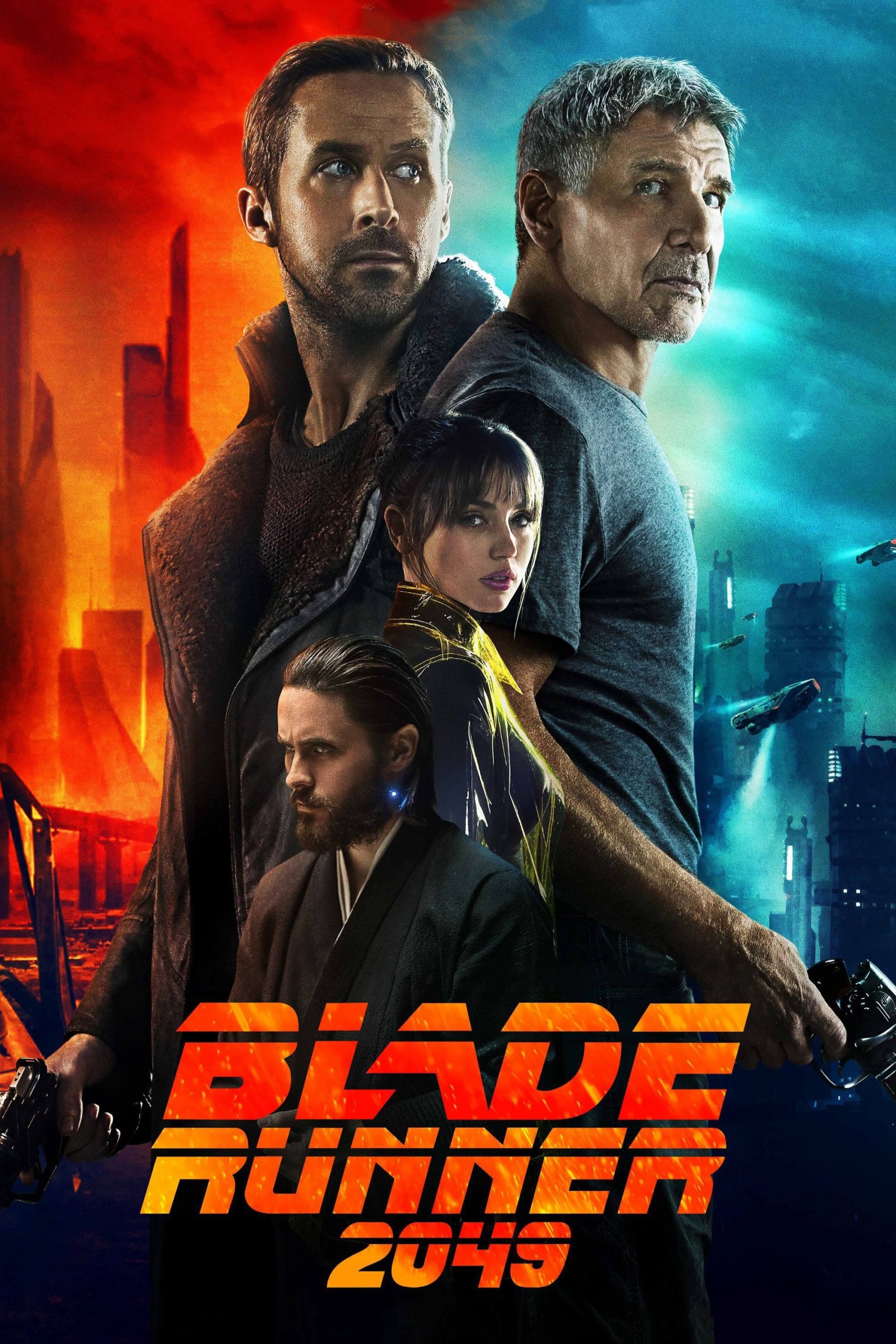
The Genre of This Film
Whenever I recall my experience with Blade Runner 2049, I’m struck by how completely the film situates itself within the science fiction genre. For me, every detail, from its haunting cityscapes to the philosophical dilemmas at its core, radiates the hallmarks of sci-fi. This isn’t a story that merely uses futuristic technology as window dressing; instead, it’s a deeply introspective exploration of humanity’s relationship with artificial life and the social, existential, and emotional questions that arise when boundaries blur between human and machine. That’s why, in my view, Blade Runner 2049 belongs first and foremost to science fiction—more specifically, a contemplative strand sometimes called “neo-noir science fiction”—but always tethered to that larger genre’s DNA. Every part of this film feels built upon the foundations of speculative world-building and philosophical interrogation that define true science fiction.
Key Characteristics of the Genre
- Common themes
For me, science fiction is primarily about exploring possibilities—both technological and existential. When I encounter genuine science fiction, I expect a probing of humanity’s limits and potentials. The genre often wrestles with the meaning of identity, the role of technology, and the ethics of progress. I’ve noticed recurring threads: What does it mean to be human, especially when non-human entities exhibit consciousness or emotion? How do societal systems adapt—or fail to adapt—to radical change? Science fiction never shies away from questioning power, agency, and the price of innovation. - Typical visual style
I always associate classic science fiction with a highly developed and distinctive visual language. There are sweeping cityscapes, frequently futuristic or dystopian, swathed in stark neon or monochrome palettes. Iconic imagery—such as looming megastructures, flying vehicles, augmented reality displays, or curious mixes of decay and hyper-modernity—root me firmly in worlds both alien and all-too-familiar. Lighting in sci-fi often juxtaposes harsh illumination with deep shadows, creating a sense of unease or ambiguity that mirrors the genre’s deeper questions. - Narrative structure
Across the great science fiction works I’ve engaged with, I notice a strong inclination toward layered storytelling, often built around mysteries, individual quests, or broader societal dilemmas. These films tend to privilege atmosphere and mood, letting tension simmer rather than erupt. Narrative progress is frequently nonlinear or fragmented, demanding that I piece together meaning as events unfold. Many sci-fi stories use a protagonist’s journey—sometimes physical, sometimes psychological—as a lens to interrogate the world’s rules and ethical quandaries. - Character archetypes
Science fiction is full of characters grappling with their place in a world shaped by technology or altered realities. There are outsiders—detectives, rebels, scientists, or hybrids—caught between paradigms. I often meet androids or AIs who challenge the definition of ‘person,’ as well as flawed visionaries or bureaucrats representing established order. Relationships in these stories frequently hinge on uncertainty: who can be trusted? What does loyalty mean when identities are destabilized? The interplay between human and artificial life lies at the genre’s heart; it’s always the people and “almost people” that stay with me the longest.
How This Film Exemplifies the Genre
I’ve rarely seen a film embrace and reshape science fiction’s core features as powerfully as Blade Runner 2049. Denis Villeneuve’s vision, as I experienced it, submerges the viewer in a world that is at once staggeringly detailed and deliberately ambiguous. Every frame seems crafted to evoke both awe and uncertainty, a hallmark of great sci-fi. I found myself continually confronted by questions about authenticity, morality, and memory—concerns that have animated science fiction for decades but here feel startlingly immediate.
On a thematic level, what struck me most was the film’s relentless examination of what constitutes selfhood. I watched as K, a replicant designed to “retire” his own kind, grappled with the possibility of his own uniqueness, only to have his hopes unceremoniously shattered. To me, this dramatic arc gestures directly to science fiction’s preoccupation with the nature of consciousness and the agony and ecstasy of self-realization. The film’s willingness to blur the lines between human and artificial persons isn’t just window-dressing—it’s the engine of the story’s emotional weight.
The visual style is, in my eyes, a love letter to the cyberpunk subgenre and to science fiction’s broader aesthetic vocabulary. I remember the city’s oppressive rain, towering holograms, and starkly beautiful desolation—visuals that immediately evoke a mood of both decay and progress. Every shadowed corridor or flickering advertisement felt charged with implicit commentary about surveillance, capitalism, and the loneliness of urban existence. I found myself marveling at how the sparse, often sterile sets could create a feeling of claustrophobia even out in the open, much like the best works of classic sci-fi cinema.
When it comes to structure, Blade Runner 2049 struck me as refreshingly resistant to the needs of traditional blockbusters. The film’s pacing is deliberate and dreamlike—scenes play out with a patience that allows time for meditation and discomfort to build. I sensed that the narrative was encouraging me to inhabit the space between what is known and what is unknowable, to wrestle with ambiguities in the lives of its characters. This method of storytelling—forcing the audience to linger in uncertainty—is, to me, a core technique of profound science fiction.
Characterization in this film is where the genre’s spirit felt most alive for me. K, as a synthetic being in search of meaning, embodies the outsider archetype. His encounters with Joi (a virtual companion), Deckard (the ambiguous hero of the first film), and Wallace (the megalomaniacal architect of the new world order) all play out as variations on science fiction’s eternal dance between rebellion and control, creator and creation. I felt every conversation, every look shared, was steeped in the genre’s questions: Can machines love? Is memory a prison or a gift? My emotional involvement was uniquely tied to how the film’s genre conventions forced me to empathize not just with K’s journey, but with the broader implications of a society built on engineered consciousness.
In all these ways, I see Blade Runner 2049 as a quintessential science fiction film—not just because of its futuristic technology or dystopian setting, but because of how thoroughly it immerses me in the genre’s central uncertainties and its visual and narrative signatures. Each moment, each choice, amplifies the tension between hope and dread that defines my experience of true sci-fi cinema.
Other Essential Films in This Genre
- Metropolis (1927) – When I first watched Fritz Lang’s silent epic, I could sense the roadmap it created for urban dystopias in cinema. The visual grandeur—futuristic towers, teeming workers, and a society divided by technology—highlighted how sci-fi uses spectacle to question social hierarchies. I saw prototypes of so many genre conventions: androids, master planners, and the critique of unchecked progress.
- Ghost in the Shell (1995, animated) – This Japanese animated film has always intrigued me because of its heady mixture of philosophical questioning and kinetic action. I was particularly taken by its preoccupation with cybernetic identity and digital consciousness. For me, its depiction of a world where humanity and technology have become nearly indistinguishable captures the genre’s knack for existential reflection and dazzling, layered world-building.
- Solaris (1972) – What made Tarkovsky’s Solaris fascinating to me wasn’t flashy technology but how it used a distant planet as a canvas for studying grief, guilt, and memory. The film’s meditative pace and dreams-within-dreams structure defied my expectations of “outer space” movies. Solaris showed me that science fiction can be as much about inner landscapes as it is about galactic adventure.
- Children of Men (2006) – Alfonso Cuarón’s vision of a near-future humanity losing the ability to reproduce made my stomach knot with dread and empathy. Here, as in Blade Runner 2049, the genre is less about gadgets and more about the emotional consequences of catastrophic change. The gritty cinematography, immersive world, and fragile cast of survivors reminded me how science fiction can project current anxieties into compelling near-futures.
Why This Genre Continues to Endure
Every time I return to science fiction, either through films like Blade Runner 2049 or the other trailblazers I’ve mentioned, I realize why I—and collectively, audiences—are continually drawn back to the genre. For me, the allure lies in its protean spirit: science fiction never stays static. It morphs and evolves, absorbing and reflecting our contemporary fears, hopes, and transformations. The imaginative settings might initially attract me, but it’s always the genre’s relentless questioning—its refusal to accept easy answers—that keeps me engaged.
I find that science fiction has a unique capacity to mirror real-world dilemmas in exaggerated or unfamiliar contexts. When I watch a film about artificial intelligence developing feelings, or entire societies built on new forms of labor and memory, I recognize thinly veiled versions of debates happening in my own world. The genre keeps itself alive by serving as both a warning and an inspiration, challenging me to consider where humanity might go if we let our innovations—technological, social, or ethical—supersede our compassion or wisdom.
A big part of the genre’s endurance, in my opinion, is its empathy for the outsider. Science fiction is full of characters who are “othered”—by birth, by invention, or by choice. As someone constantly searching for connection in an increasingly complex world, I find solace in these characters’ struggles. Their journeys are not simply set-dressing for philosophical themes but vivid, pulse-quickening stories that remind me what it feels like to be human in the midst of upheaval.
But above all, I think science fiction persists because it’s inherently hopeful, even at its darkest. Films like Blade Runner 2049 don’t flinch away from despair, but in the smallest acts of kindness, rebellion, or understanding they’re always pointing toward the belief that meaning can be forged, even in uncertainty. I come away from these stories viewing my own reality with new eyes, reminded that the future—no matter how daunting—remains a place of promise as much as peril.
If you’re interested in how viewers respond beyond technique, you may want to explore audience and critical reception.
🎬 Check out today's best-selling movies on Amazon!
View Deals on Amazon