
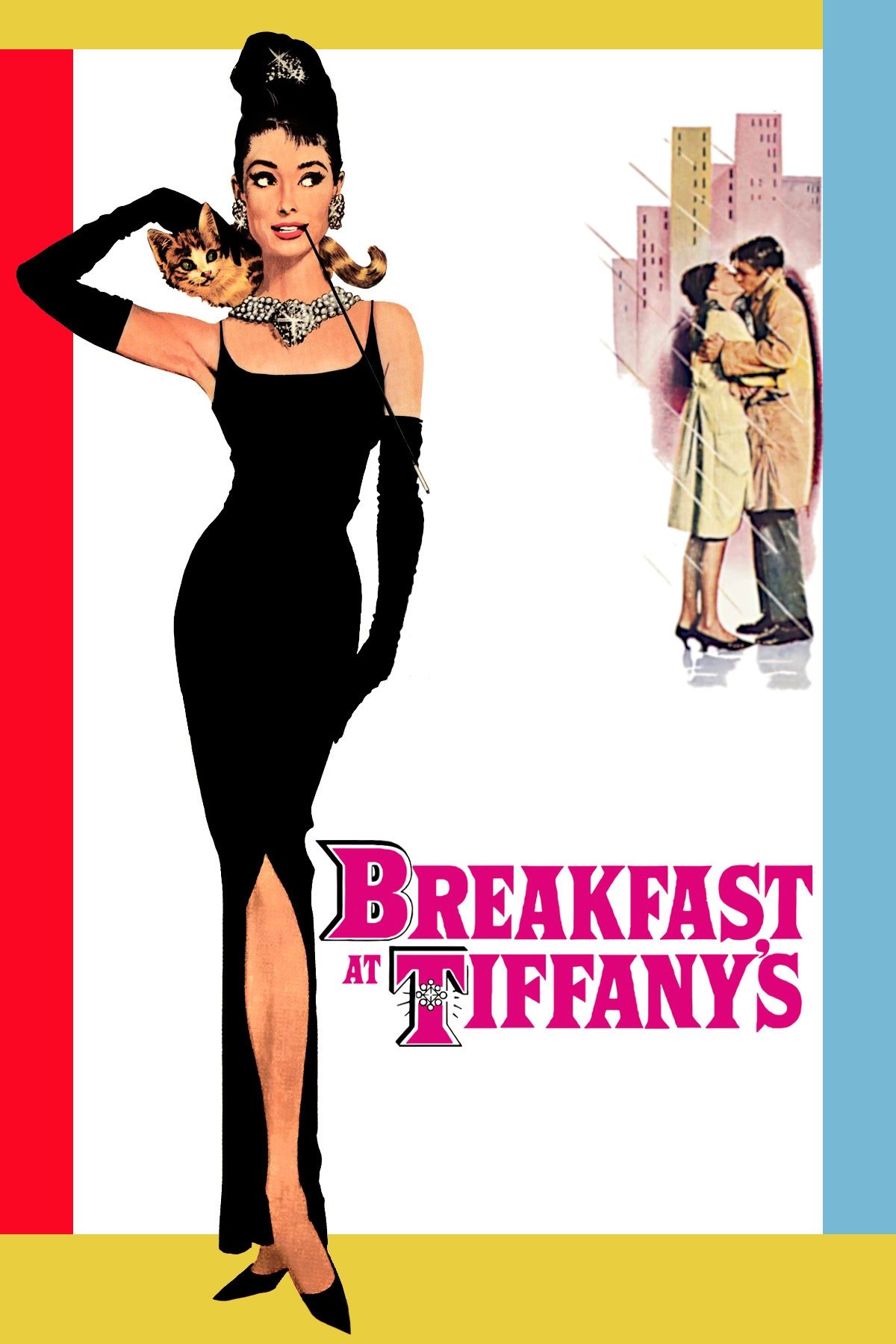
The Genre of This Film
There’s something unforgettable to me about slipping into the world of “Breakfast at Tiffany’s”—the sense of longing, glamour, and emotional vulnerability all bleeding into each other. When I reflect on my repeated viewings, I always come back to the film’s primary identity as a romantic comedy. Some might argue it’s a drama dressed in designer clothes, or a character study masquerading as a love story, but I’m most convinced by the sheer patterned rhythm and emotional tone that consistently echo the conventions of classic romantic comedy. What sweeps me in every time isn’t just the sparkling wit or the iconic visuals—the film is fundamentally constructed around the dance of love, with all its miscommunications, aspirations, and carefully drawn boundaries. It’s this compelling mixture of laughter, chemistry, and earnest yearning that seals it as a quintessential entry in the romantic comedy genre for me.
Key Characteristics of the Genre
- Common themes
- Typical visual style
- Narrative structure
- Character archetypes
-
Common Themes
In my experience, romantic comedies draw much of their spark from the universal themes of love, identity, and personal growth. Watching these stories unfold, I notice a persistent preoccupation with barriers—emotional, social, or situational—that keep the central characters from coming together. There’s always a push and pull between self-discovery and connection: the journey to romance often doubles as a journey to authenticity. For me, this genre is less about whirlwind passion and more about navigating vulnerability, compromise, and, often, the social constructs that frame relationships. Other recurring threads include the transformative power of love, the comedic mishaps of courtship, and a faint but persistent optimism that, in the end, love truly can conquer all—even if it stumbles getting there. -
Typical Visual Style
When I step into the visual world of a romantic comedy—especially those from the mid-twentieth century—I’m greeted by a visual language that delights in color, light, and elegant set design. These films often ooze a sense of refined charm, using costuming, location, and props not just as background, but as character. In my view, they tend to favor clean, inviting spaces, emphasizing the glamour and emotional possibilities of everyday life. Cinematic movement is deliberate rather than frenetic, allowing the emotional beats and comedic timing to take center stage. Whether the film revels in city sidewalks or chic interiors, there’s usually a certain polish that helps romance feel both aspirational and oddly accessible. And yet, those vivacious surfaces almost always hint at the emotional depths simmering beneath their gloss. -
Narrative Structure
The narrative structure of romantic comedies always fascinates me. I can almost chart their progress by heart: two leads (often strangers or unlikely companions) cross paths under circumstances laced with irony or misunderstanding. Obstacles quickly materialize, whether in the form of personal baggage, mismatched social standings, or outside suitors. As the characters navigate a series of comedic and dramatic moments—usually punctuated by sharp dialogue or visual gags—the audience sits in anticipation, waiting for that tipping point when affection gives way to confession. There’s nearly always a pivotal crisis (an argument, a revelation, a temporary separation) that seems to spell the end, followed by one character’s brave gesture or realization that reignites hope. The resolution, if the filmmakers do it justice, feels earned, heartfelt, and often open-ended enough to stoke the viewer’s imagination about what comes next. -
Character Archetypes
With every romantic comedy I sink into, I grow more aware of the patterns of personalities that recur. There’s often the charismatic yet vulnerable protagonist—sometimes a free spirit, sometimes a cynic—whose journey is as much about falling in love as it is about learning to trust or forgive themselves. The narrative is usually propelled by a romantic interest who, by contrast or complement, exposes the protagonist’s insecurities and strengths. Supporting players—a jazzy best friend, an eccentric neighbor, or a persistent suitor—pepper the action with comedic relief and wisdom. I’m always drawn to how these archetypes, though familiar, are reinterpreted film to film. The best romantic comedies, for me, are those that take these expected molds and fill them with genuine humanity, hinting at the complexity beneath the surface.
How This Film Exemplifies the Genre
I never tire of admiring how “Breakfast at Tiffany’s” fits so poignantly within the romantic comedy mold. Watching Audrey Hepburn’s Holly Golightly, I’m instantly struck by her embodiment of the genre’s free-spirited protagonist. She’s at once effervescent and deeply guarded—a contradiction that echoes the core tension of so many great romantic comedies. Her flirtation with George Peppard’s Paul Varjak bubbles with wit, tension, and longing, with each scene carefully balanced between breezy banter and lingering vulnerability. Every time I watch these two, I’m reminded of the best on-screen chemistry: their conversations sparkle with a lightness that belies the real emotional stakes underneath. What I love most is the way misunderstandings and social misdirection are used as both comedic engines and emotional shields, a hallmark of the genre.
Visually, I’ve always been drawn to the lush elegance of the film’s New York setting. The polished apartments, intimate café corners, and bustling sidewalks capture not just the city’s romance, but the genre’s idealized sense of possibility. The costuming—those iconic little black dresses and sharp suits—functions beyond aesthetics, signaling both aspiration and alienation. I notice how the cityscapes are rendered not as cold, impersonal backdrops, but as playgrounds for connection, framing moments of serendipity with just the right touch of escapist beauty.
The structure of “Breakfast at Tiffany’s” is classic romantic comedy, in my estimation. From the awkward first encounters to the escalating confusions and, finally, the climactic emotional confrontation in the rain, I see all the conventional beats of the genre woven into the narrative. There’s something deeply satisfying about how the comedic set pieces (the chaotic party, the conversations with wry supporting characters) serve as both obstacles and catalysts for the budding romance. I’m always moved by how the film navigates that delicate balance between humor and heartbreak—the way laughter opens the door to vulnerability, and vulnerability cements the love story. To me, this is the secret magic of the romantic comedy: the knowledge that our most profound transformations can arise through ordinary misunderstandings and shared laughter.
Archetype-wise, Hepburn’s Holly lives at the crossroads of seductress, ingénue, and wounded soul, making her a deeply charismatic center for romantic comedy’s familiar journey of self-realization. Paul, meanwhile, is that classic romantic foil: grounded, quietly ambitious, and equally lost, but in an entirely different way. Their mutual self-discovery is propelled not just by their differences, but also by a shared sense of searching for home and connection. Every secondary character—whether it’s Holly’s O.J. Berman or her flamboyant party guests—fits into the broader tapestry of comic types I associate with the genre, offering moments of levity and insight that advance both the story and the emotional stakes. For me, “Breakfast at Tiffany’s” is not just a product of its genre; it’s one of the films that actively shaped my conception of what a romantic comedy could achieve.
Other Essential Films in This Genre
- The Philadelphia Story (1940) – Whenever I crave sparkling wit paired with complex romance, I turn to this film. Katharine Hepburn, Cary Grant, and James Stewart sculpt a love triangle that’s as clever as it is emotionally tangled. I find it remarkable for its blend of comic misunderstandings and genuine vulnerability, hallmark qualities that keep me returning to the genre.
- Roman Holiday (1953) – For me, there’s no purer expression of romantic comedy than Audrey Hepburn’s luminous turn as a runaway princess opposite Gregory Peck’s dashing reporter. The film takes me on a whirlwind tour of Rome and reminds me how the genre can balance fairytale escapism with quiet longing for freedom and authenticity.
- Sabrina (1954) – When I want to dwell on issues of class, aspiration, and transformative love within a romantic comedy framework, “Sabrina” always satisfies. Hepburn once again graces the screen, and I’m fascinated by how the narrative structures a love triangle across social divides, all the while keeping its tone delicately buoyant.
- Annie Hall (1977) – Whenever I’m in the mood for self-reflexive humor and neurotic romance, this film jumps to mind. Woody Allen and Diane Keaton play out a relationship that’s at once deeply personal and universally recognizable. The candidness and innovation on display redefine the conventions of romantic comedy for a more modern, self-aware era, compelling me to revisit the genre’s boundaries.
Why This Genre Continues to Endure
From where I stand, romantic comedies have woven themselves so deeply into the fabric of my cinematic life that I can’t imagine movies—or storytelling—without them. The stubborn appeal lies, I think, in their capacity to hold a mirror to our most ordinary and extraordinary wishes: to find love, to be seen, and to shed the masks we wear for the world. When I watch a romantic comedy, I’m not just chasing laughter or escapism; I’m chasing the sense that stumbling through life’s awkwardness can be generative, even redemptive. The genre endures for me because it keeps its optimism rooted in human foibles and disappointments, rather than floating away from reality. It’s a genre that insists on the transformative possibility of connection—no matter how messy, belated, or unexpected. Whether set in a rain-soaked New York alley or amidst the sun-drenched piazzas of Rome, these films assure me over and over that risk, humor, and hope are always worth the trouble. I find myself returning not to the simplicity of the narratives, but to the complexity and possibility concealed within even their lightest touch.
If you’re interested in how viewers respond beyond technique, you may want to explore audience and critical reception.
🎬 Check out today's best-selling movies on Amazon!
View Deals on Amazon