
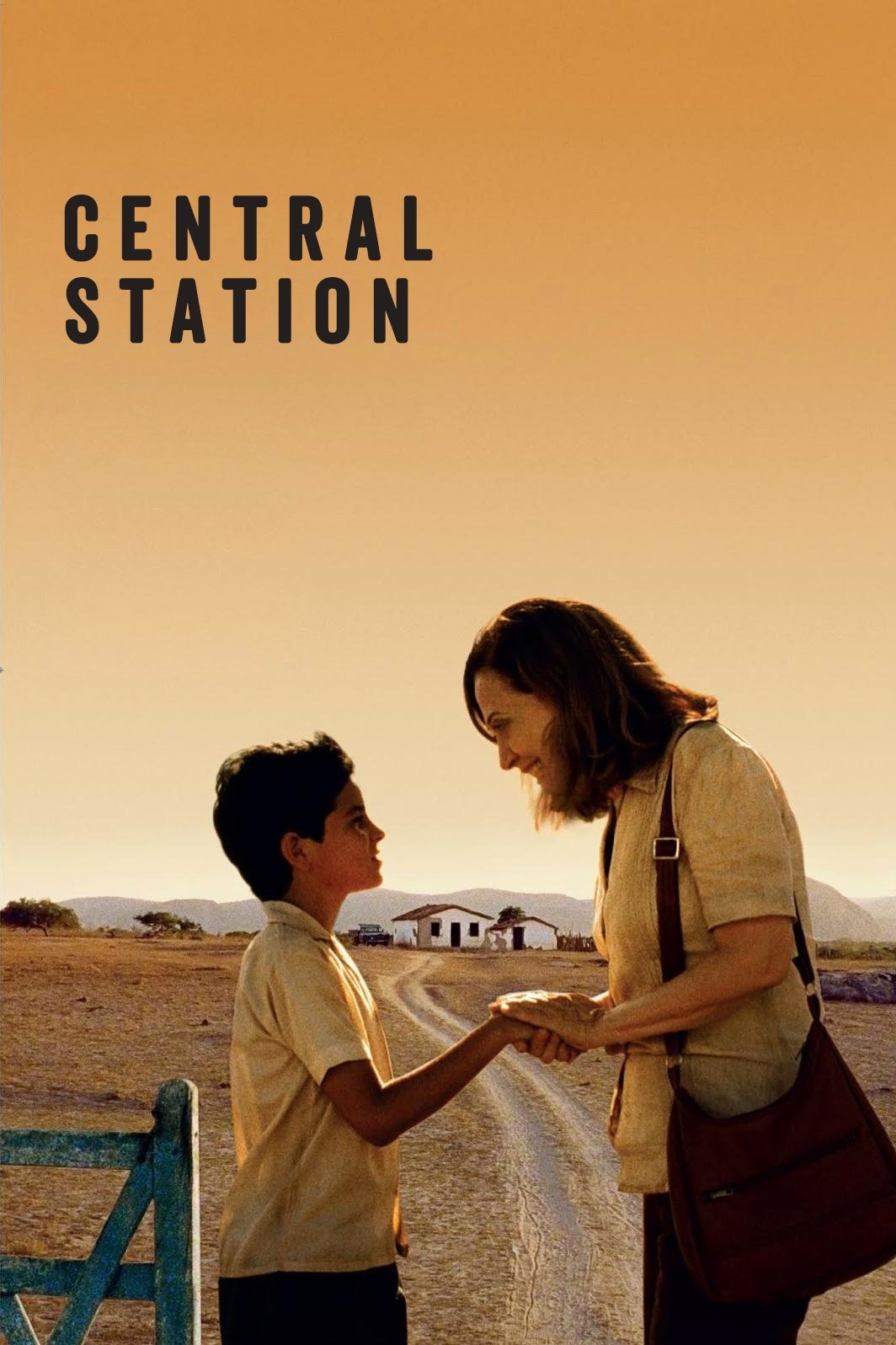
The Genre of This Film
Whenever I return to the vivid streets and sun-drenched landscapes of “Central Station,” I am struck anew by how undeniably it belongs to the road movie and drama genres. Yet, for me, its heart beats most firmly as a drama, defined by its emotional depth, character-centered storytelling, and exploration of profound human connections. I have always been compelled by those films that choose to linger, shamelessly unhurried, on small moments—on faces, unexpected encounters, and life’s rawest pains. “Central Station” is a quintessential drama in this respect, dissecting the complexities of human relationships and personal transformation through a quiet, immersive lens. While some might insist on labeling it as a road movie owing to its literal journey across Brazil, I see its loyalty to the drama genre shine through most powerfully, inviting me to lose myself in its sincere emotional tapestry and intimate character evolution.
Key Characteristics of the Genre
- Common themes
- When I think of drama, I immediately think of films preoccupied with the messiness of life: loss, redemption, reconciliation, and searching for meaning. This genre loves to examine brokenness and the hope for repair, never shying away from ugly truths or difficult questions. For me, dramas often present deeply personal journeys—physical, emotional, or both—where the core is the challenge of overcoming adversity or discovering oneself, whether that adversity is external or rooted in the soul. Family, betrayal, regret, forgiveness, and transformation are recurring touchstones for the dramas that make the greatest impressions on me. These films often capture ordinary people negotiating extraordinary emotional circumstances, allowing the audience to see themselves in the characters’ struggles and victories.
- Typical visual style
- Whenever I watch a well-crafted drama, I find myself drawn to the restrained visual choices—the use of natural lighting, unembellished wide shots, and close-ups that leave nowhere for emotion to hide. In my view, drama is rarely interested in visual flamboyance. Instead, it leans into realism or subtle stylization; even in heightened worlds, cinematography usually stays close and personal, favoring intimate compositions that put characters’ faces front and center. Warm, earthy color palettes and handheld cameras are common, lending authenticity and immediacy. I also notice that the editing tends to be contemplative, allowing conversations and silences to breathe, so the emotional undercurrents simmer just beneath the surface.
- Narrative structure
- My favorite dramas tend to embrace a slower, more organic pace rather than the tight plotting I encounter in thrillers or mysteries. There’s patience in the way events unfold, sometimes meandering and nonlinear, but always rooted in character decisions and reactions. What resonates with me in the drama genre is how it builds on emotional arcs instead of external events: beginnings are marked by unrest or longing, middles chart some form of confrontation or unraveling, and endings, whether hopeful or unresolved, often leave a lingering sense of change. Dramas invite reflection by blurring the line between conflict and resolution—closure is never absolute, nor is it always comfortable.
- Character archetypes
- Whenever I introduce friends to my favorite dramas, I point out that archetypes here tend to be grounded, imperfect, and painfully real. I see the genre populated by characters running from their pasts, unlikely caretakers, lost children, cynical elders, or those facing moral crossroads. What I appreciate most: no one is a mere vessel for plot. Instead, archetypes serve as mirrors for the audience—the gruff but unexpectedly loving adult, the innocent forced to grow up too quickly, the mentor figure transformed through connection. These characters rarely behave as purely good or purely bad; their flaws and virtues drive the story with the force of real life, and for me, that’s what separates true drama from melodrama.
How This Film Exemplifies the Genre
I find “Central Station” to be a deeply moving study in what the drama genre can achieve at its best. From the first moments, the film forgoes spectacle in favor of the small, tender details that make its world utterly believable. I am mesmerized by the honest depiction of Dora’s initial cynicism and gradual transformation. Here, the emotional stakes are not imposed by genre formula but emerge organically from personal histories and the evolving bond between two lost souls. The film’s unhurried pacing—each silence, every subtle gesture—gives weight to the characters’ interactions and reinforces my investment in their journey.
Visually, I notice the film’s reliance on sunlight, muted colors, and lingering close-ups that let the actors carry the emotional load. There are no distracting flourishes, just carefully observed faces and a sense of lived-in reality. Every shot feels as though it’s inviting me to participate in the story’s rawness, to decipher what words cannot say. This sense of intimacy and authentic texture is, to me, the hallmark of great drama.
Thematically, I witness the drama genre’s central tensions at play: the ache of loss, the resilience found in connection, and the messiness of redemption. Rather than offering sweeping solutions, “Central Station” dwells in ambiguity. Dora and Josué are archetypal in their pain and longing, yet individual in their idiosyncrasies. Each step of their physical journey across Brazil parallels their internal odysseys. For me, the film’s greatest triumph is its unflinching look at how trust must be painfully earned and how hope can persist even in the grimmest places. This insistence on emotional honesty, rather than narrative convenience, marks it as an exemplar of the drama genre.
Additionally, what continues to impress me about “Central Station” is its lack of sentimentality. The film feels no obligation to make me comfortable; instead, it trusts that I am able to sit with contradiction, sorrow, or tentative joy. The performances, particularly by Fernanda Montenegro, never lapse into caricature. Instead, they insist that I recognize the humanity in imperfection. In the end, I always walk away with a deeper appreciation for what drama, at its most compassionate, can be: a mirror, sometimes unkind, but always truthful.
Other Essential Films in This Genre
- Bicycle Thieves (1948) – I am continually moved by “Bicycle Thieves,” a landmark of Italian neorealism and dramatic cinema. The film’s focus on a father and son navigating postwar hardship strikes me with its simplicity and emotional urgency. Much like “Central Station,” it trusts in the power of ordinary lives and quietly devastating moments, showing how hope and despair intertwine in the search for dignity.
- Kramer vs. Kramer (1979) – Whenever I revisit this American drama, I am reminded of its fearless examination of familial rupture and the messiness of parenthood. The performances are intimate, with scenes that feel almost uncomfortably real. For me, it’s a prime example of how drama can turn the dissolution of a family into a universal story about love, growth, and hard-won understanding.
- Tokyo Story (1953) – I never tire of rewatching Yasujirō Ozu’s masterpiece, which transforms an elderly couple’s visit to their children in Tokyo into a meditation on aging, regret, and gratitude. The drama genre here is distilled to its purest form—quiet, unadorned, and utterly devastating. I am always astounded by how a film driven more by what’s unsaid than spoken can resonate so powerfully across generations and cultures.
- Secrets & Lies (1996) – Mike Leigh’s exploration of hidden truths and fragile relationships frequently moves me to tears. Through unvarnished dialogue and performances, the film builds its power slowly, showing how secrets can poison or heal. I admire the way it embodies the drama genre’s love of confrontation and, ultimately, acceptance, reminding me that compassion is often the climax we least expect.
Why This Genre Continues to Endure
Every time I reflect on why I keep returning to the drama genre, I realize that its staying power lies in its honesty and emotional resonance. When the world feels chaotic or impersonal, I crave those stories that reflect back the intricacies of real life—the messy relationships, the moments of vulnerability, the longing for connection. Drama refuses easy answers, trusting that I, like its characters, can handle unresolved feelings or ambiguous endings. That’s always been its power for me: to transform unremarkable lives and everyday pain into something meaningful.
I also believe that, as viewers, we hunger to see our own struggles represented on screen. When I see a character break down beneath the weight of grief, or take a tentative step toward forgiveness, I recognize parts of myself. Drama lets me participate, not just observe; it encourages empathy, patience, and reflection. There is a sort of catharsis in immersing myself in the suffering and triumphs of others. No matter how much visual technology or storytelling trends shift, I don’t think this hunger for emotional truth will ever disappear.
Moreover, I’m convinced that drama’s attachment to realism and intimate storytelling ensures its timelessness. Situations, locations, and details may change, but the underlying emotional journeys—reconciliation, redemption, the difficulty of love—remain forever relevant. As long as there are people searching for meaning, mending broken relationships, or navigating heartbreak, drama will endure as the genre that best captures the fullness of the human experience. “Central Station,” for me, is a testament to the endless appetite for stories that are honest, unflinching, and beautifully complex.
If you’re interested in how viewers respond beyond technique, you may want to explore audience and critical reception.
🎬 Check out today's best-selling movies on Amazon!
View Deals on Amazon