
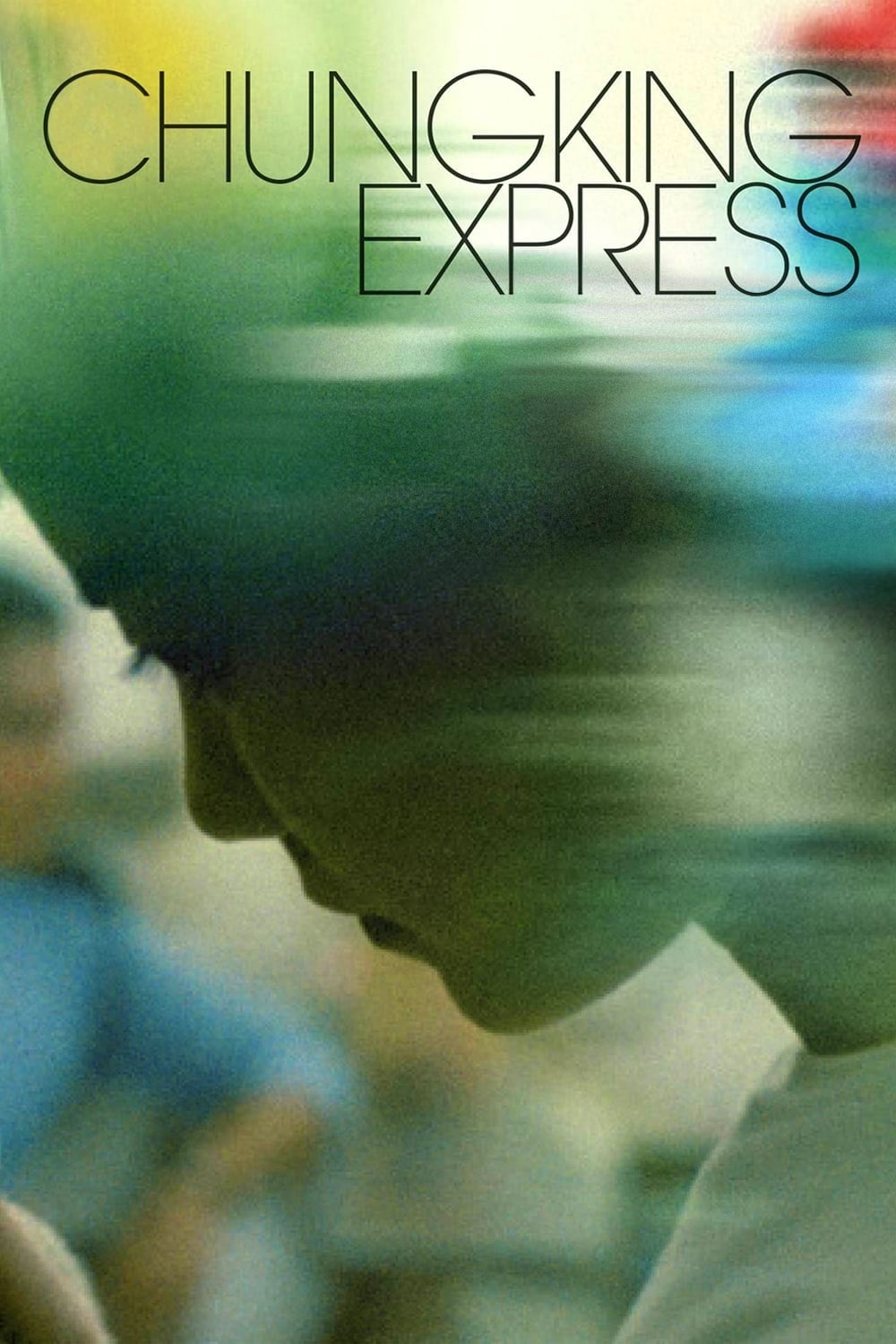
The Genre of This Film
Watching “Chungking Express” for the first time felt like tumbling straight into the urban daydream of a city that never really sleeps, and that’s exactly why, for me, this film sits resolutely within the romantic drama genre—though it also toys with and expands upon it in fascinatingly unconventional ways. When I think about the attributes that draw me toward romantic dramas, I’m reminded how they’re defined by explorations of longing, desire, heartbreak, and the serendipitous collisions between people, especially in settings alive with their own personalities. “Chungking Express” is very much that: a cinematic postcard capturing fleeting, sometimes awkward, sometimes hopeful connections between characters who drift through the pulsing heart of Hong Kong. The film’s structure, split into two loosely connected stories of romantic yearning, nostalgia, and hope, reinforces its core place as a romantic drama—yet it’s the deeply modern, restless spirit that sets it apart, and for me, distills why this genre matters in the context of urban alienation and the randomness of human connection.
Key Characteristics of the Genre
- Common themes
- Typical visual style
- Narrative structure
- Character archetypes
-
Common themes
I’ve always seen romantic drama as a genre obsessed with human yearning at its core. The best examples don’t just focus on love, but rather on the ways people brush up against the possibility of connection—dealing with loneliness, missed chances, heartbreak, and the desperate hope for renewal. Romance in this genre plays out as both captivating and painful. Often, stories are laced with nostalgia for loves lost or never fully realized, moments charged with emotional uncertainty, or the bittersweet taste of introspection. For me, these films aren’t neatly packaged fantasies; instead, they dwell on the real messiness of relationships and the ache for intimacy. -
Typical visual style
When I picture romantic dramas, I imagine visuals that serve not only the story but the mood—soft, glowing lighting during moments of hope, shadows and cool hues marking loneliness or sadness, and camera work that feels intimate, as though we’re looking in on private lives. There’s often a tactile feel to the way settings are captured: city lights sparkle through rainy windows, bustling crowds blur as two people meet, or interiors turn cozy or claustrophobic depending on a character’s state of mind. For me, the visual palette always echoes the emotional one, and in modern takes (like “Chungking Express”), that sometimes involves the use of brisk editing, handheld camera movement, and bursts of saturated color to keep pace with characters’ emotional volatility. -
Narrative structure
What I love most about romantic dramas is their allowance for ambiguity and digression. Many of my favorites feature intersecting narratives, fragmented storytelling, or chronologies smudged by memory and longing. Romance in these films is rarely straightforward. There are abrupt transitions, unexpected pauses, or entire narrative threads left hanging in the air. Some films flow as a single arc, but others—such as “Chungking Express”—present parallel or loosely linked tales, all circling the same thematic core. I find that the genre often follows people as they move in and out of each other’s lives, with endings that are open-ended or quietly reflective instead of sealed tight. -
Character archetypes
When thinking of romantic drama, certain figures keep recurring in my mind. There’s the lovelorn protagonist grappling with rejection or regret, the enigmatic stranger who offers a new chance at love, the emotionally reserved or wounded individual wary of opening up, and the free-spirited disruptor whose presence shifts the axis of another’s world. Often, characters in romantic drama are emotionally raw or deeply introspective, allowing viewers to see their vulnerabilities fully exposed. It’s in their small gestures and internal monologues where the heartbreak or hope is most keenly felt, rather than in grand romantic declarations.
How This Film Exemplifies the Genre
Personally, no film I’ve seen embodies the spirit and boundaries of romantic drama quite like “Chungking Express.” When I reflect on its style and substance, I’m struck by its commitment to exploring romantic longing through texture rather than formula. I felt as if every frame was designed to highlight how modern love so often feels—disjointed, momentary, electric and ephemeral all at once. For me, the film’s twin narratives capture what I’ve always found most honest about the genre: that love doesn’t always materialize as a neat swoon, but as a collision of hope, disappointment, and reinvention.
The first half of the film, with its noir-like shadows and sultry city nights, drew me into the mind of someone heartbroken and lonely—a character reaching toward connection with strangers who feel just as lost. I see echoes here of romantic drama’s fixation on missed opportunities and the fragility of intimacy. The second story, lighter but equally bittersweet, turns the everyday—takeout stands, pop songs at work, shared glances in stairways—into sacred moments of vulnerability. The characters are deeply archetypal to me: a lovesick policeman unable to move past an ex, an enigmatic woman hiding behind sunglasses and a trench coat, a flighty snack bar worker whose affections bloom in secret. I witnessed how the film materializes romantic drama’s most persistent themes: the ache for rebirth after heartbreak, the wistful allure of strangers, and a longing for connection in the noisy solitude of city life.
Visually, I was floored by the movie’s kinetic camerawork and willingness to blur time. Hazy colors and whirlwind movement evoke not just Hong Kong’s atmosphere, but the emotional turbulence of its characters—reinventing the typical softness of romantic drama with a jittery, restless energy that felt truer to real urban life. Instead of decorative visuals, every stylistic choice seems to serve the story’s core themes. Even the film’s embrace of open endings felt right to me. In contrast to conventional romantic dramas that tidy up loose ends, “Chungking Express” lingers on possibility and uncertainty, never quite spelling out whether love will last or remain a fleeting spark.
All in all, my experience of the film is that it decisively fulfills the romantic drama genre, yet breathes into it a contemporary urban melancholy. It reminded me how the genre can shift from languid to electric and still come back to its essential question: What does it mean to be seen, understood, and wanted by another person, if only for an instant?
Other Essential Films in This Genre
- In the Mood for Love (2000) – For me, Wong Kar-wai’s later masterpiece represents the romantic drama genre at its most refined and hypnotic. This film meditates on restraint, longing, and missed connections in 1960s Hong Kong. The characters’ emotional tension is palpable in every lingering glance, every unspoken confession. It’s an almost wordless ballet between two neighbors united by heartbreak, quietly trembling with the possibility of love that never fully unfolds. The film’s slow, painterly visuals and evocative score lay bare the ache and dignity of unfulfilled desire, a signature trait of the genre at its highest pitch.
- Before Sunrise (1995) – When I first watched Richard Linklater’s “Before Sunrise,” I was struck by how its two central characters—strangers meeting by chance on a train—created drama not through outside obstacles but through thought, conversation, and fleeting intimacy. The story captures a brief love affair that is meaningful precisely because it is temporal and uncertain. I return to this film whenever I want a reminder that romantic drama can exist on a knife’s edge between idealism and heartbreak, where the genre’s central preoccupation is with the unrepeatable nature of a single night.
- Brief Encounter (1945) – David Lean’s classic remains, in my view, one of the greatest studies of emotional conflict inside the romantic drama genre. The film lays bare the inner struggles faced by its protagonists and builds its drama from moral restraint, duty, old-fashioned longing, and heartbreak. What always draws me back is how the characters’ emotional states become encoded in the tiniest gestures and everyday settings—a train station, a café—while the constraints of their era provide the tension-ridden framework that elevates the story to classic status in the genre.
- Carol (2015) – Todd Haynes’ nuanced romance about a taboo love in 1950s America dovetails with my belief that the genre often thrives on tension between social norms and personal desire. The muted color schemes, atmospheric period details, and quiet performances make every close-up feel monumental. I find the film poignant and stirring for the way it gives dignity and hope to impossible love, showing that romantic drama, at its best, can honor the specificity of love stories that transcend conventional representation.
Why This Genre Continues to Endure
I often ask myself why—despite all my cynicism and modern malaise—I keep returning to romantic drama and recommending it to anyone interested in cinema that explores the full register of human feeling. The answer, I believe, is that these films speak to a universal hunger for connection and meaning. The genre offers permission to dwell in vulnerability, to admit to our own yearning and fear of loss, even as the world outside seems to move faster and grow more indifferent. Romantic dramas linger where other genres rush past: on hesitation, on glances unreturned, on the poetry of what might have been. Whenever I watch these films, I’m reminded that the small, personal stakes of love and heartbreak are often what define us most.
As technology and urban living continue to reshape human interaction, I see romantic drama’s relevance intensifying. Films like “Chungking Express” and its kin capture the isolation and serendipity of contemporary life in a way that feels urgent and honest. The genre’s ability to adapt—whether to fleeting encounters in modern metropolises or the coded longing of earlier eras—reflects why I still find fresh insight in romantic dramas, year after year. They remind us that every new love, every heartbreak, feels both utterly new and deeply familiar, binding viewers across time and culture. Whether I’m yearning for empathy, catharsis, or just the chance to feel understood, I find the romantic drama genre always waiting with open arms, offering stories that echo the truest instability and beauty of our emotional lives.
If you’re interested in how viewers respond beyond technique, you may want to explore audience and critical reception.
🎬 Check out today's best-selling movies on Amazon!
View Deals on Amazon