
The Genre of This Film
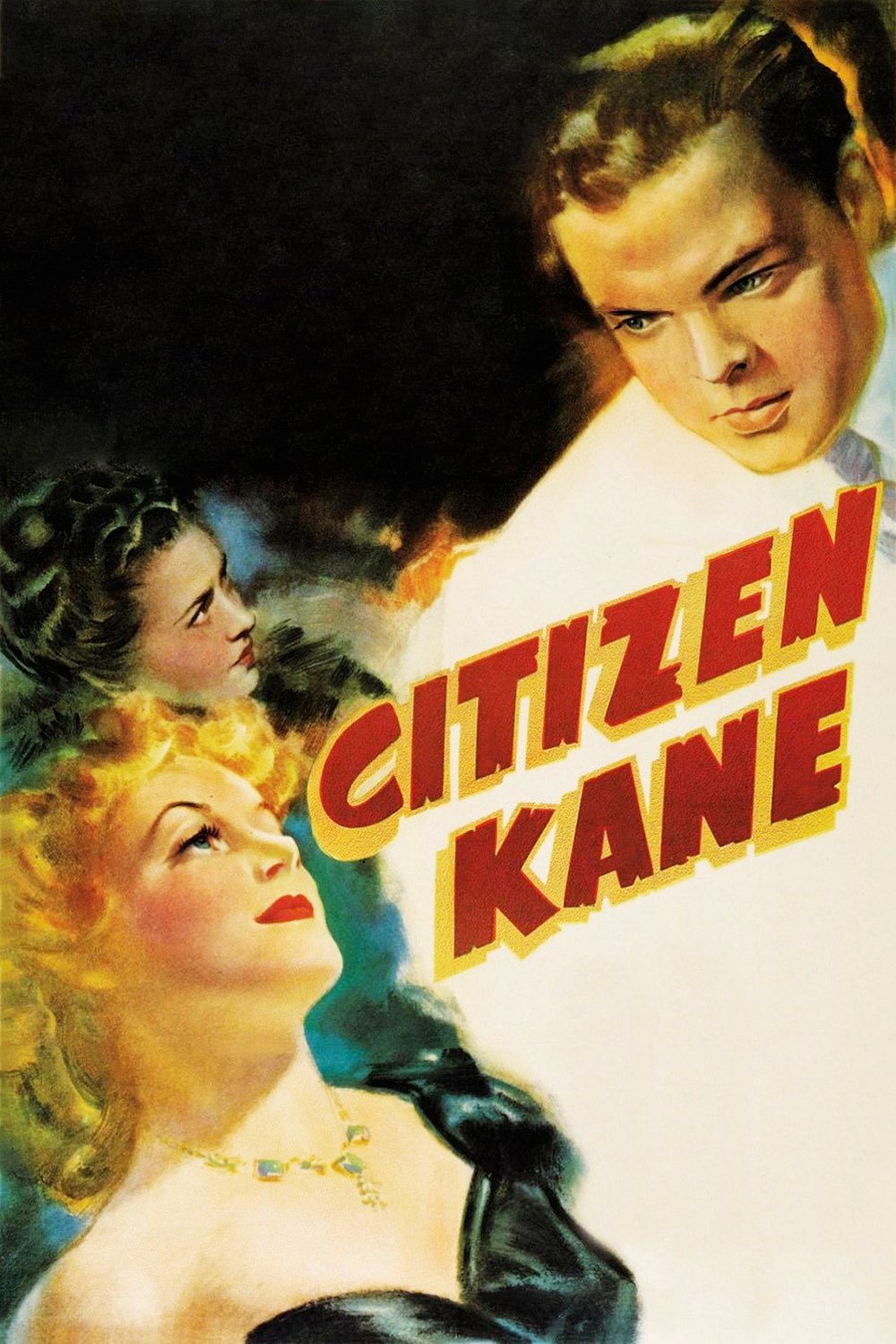
When I first encountered “Citizen Kane,” the film immediately struck me as a masterwork that fits firmly within the drama genre, with strong elements of mystery layered across its narrative. I see it as a drama above all, not only for its weighty emotional content but also for its detailed psychological portrayal of its central figure, Charles Foster Kane. The emotional core of drama, as I’ve come to expect from the genre, pulses throughout every frame of this film. The intrigue surrounding the enigmatic “Rosebud” and the constant digging into Kane’s personal life serve as a reminder that, under the surface, drama can be complex, structurally ambitious, and driven by character-focused storytelling. My definition of cinematic drama centers on developing human dilemmas and conflicts, and “Citizen Kane” fulfills these parameters through its unique approach to ambition, legacy, and memory.
Key Characteristics of the Genre
-
Common themes
In my exploration of drama within classic cinema, I often find recurring themes such as the search for identity, the costs of ambition, the distortion of personal relationships, and the question of truth versus perception. The genre gravitates to intensely personal struggles or social critiques, digging into moral ambiguity and the clash between public persona and private self. Dramas invite me to empathize with flawed characters making difficult decisions, and I notice that stories often revolve around regret, loss, and the yearning for meaning. -
Typical visual style
I’ve observed a pattern in classic dramas, especially those made in the early 1940s: moody black-and-white images, stark lighting schemes, and a deliberate use of visual contrasts to mirror internal conflict. The cinematography frequently impresses me with its dramatic use of shadows, deep focus, and architectural compositions, which draw attention to characters’ emotional isolation or social position. While not all dramas are visually experimental, the best utilize lighting, set design, and camera angles to reinforce a mood of tension or introspection. -
Narrative structure
The dramatic genre, at least as I feel it in the classics, leans toward layered, often nonlinear narratives designed to peel away the intricacies of its characters over time. I notice flashbacks, unreliable narration, and investigations into the protagonist from multiple viewpoints – all storytelling tools that build suspense and keep the emotional stakes high. Rather than focusing on external action, drama consistently pivots to character evolution, inner turmoil, and the shifting of personal relationships across the story’s span. -
Character archetypes
When I think about the people who populate dramatic films, I see a gallery of complex, often tormented protagonists. There’s usually a figure of tragic ambition — the self-made titan undone by their own flaws. Around them swirl confidantes, rivals, and innocents, each presenting facets of the protagonist’s identity or challenge to their worldview. Layers of betrayal, regret, yearning, or reconciliation play out through relationships; I find the best dramas present no outright villains or heroes, only deeply human characters wrestling with their circumstances.
How This Film Exemplifies the Genre
For me, “Citizen Kane” is the embodiment of cinematic drama, with every scene reinforcing the genre’s deepest characteristics. My engagement with the film comes largely from watching how it dissects a powerful, enigmatic man — Charles Foster Kane — and exposes the raw nerves of his personal relationships, ambitions, and regrets. I’m always drawn to the emotional pessimism that runs through the narrative: even as Kane’s newspaper empire grows, so do his personal losses and emotional wounds. The drama here isn’t simply about what happens, but how it feels and why it matters on a fundamental human level.
The nonlinear, investigative structure commands much of my attention. I find myself parsing each recollection with skepticism, understanding that each supporting character’s memory of Kane is tinted by their own priorities and disappointments. This multifaceted interrogation of the central figure is, for me, pure drama at work — a reminder that truth in human experience is rarely straightforward. I relate to the film’s mood through its famous visual palette: the deep, theatrical shadows and sweeping, carefully composed frames evoke a sense of isolation and grandeur. I feel the weight of Kane’s life not just in words but in the spaces he haunts, the empty palaces, the echoing newsrooms. That persistent exploration of his public achievements and private emptiness typifies, in my experience, the emotional texture of drama.
What I also admire is the way “Citizen Kane” uses character archetypes to flesh out its narrative. Kane himself, eternally caught between self-aggrandizement and the need for genuine affection, is to me the ultimate tragic protagonist. I recognize in him the overreaching figure seeking validation he can never receive — a recurring motif in dramatic storytelling. Those around him, whether fierce rivals or loyal friends, exist not as flat symbols but as real people locked in fraught, shifting relationships with the man at the center. The film resists the lure of easy answers, letting me reflect on how complex individual motivation can become when pride and vulnerability intersect.
The final piece that cements “Citizen Kane” in the drama genre, from where I sit, is its relentless focus on intimacy and loss. The famed “Rosebud” motif isn’t, in my view, a simple puzzle to be solved. It’s an emotional key to Kane’s interior world, a shorthand for regret and longing for innocence. The fact that the mystery persists, never completely resolved for the audience, only intensifies the genre’s signature interest in ambiguity and the unresolved consequences of human choices.
Other Essential Films in This Genre
-
The Grapes of Wrath (1940) –
As I reflect on John Ford’s sweeping adaptation, I’m always struck by how personal despair and social critique blend seamlessly within the drama genre. The film’s migration narrative explores family bonds and systemic injustice, immersing me in the emotional upheaval of those striving for survival and dignity amid adversity. -
All About Eve (1950) –
This film, to my mind, pulsates with the energy and volatility of high drama set in the world of theater. I see layers of ambition, betrayal, and rivalry played out through biting dialogue and nuanced performances. The careful unraveling of personal motives and relationships mirrors the genre’s fascination with the complexity of human nature. -
On the Waterfront (1954) –
Each time I revisit this classic, I’m caught up in the protagonist’s internal struggle between collective loyalty and personal conscience. The film’s gritty waterfront setting and its focus on moral ambiguity exemplify for me how drama thrives on characters wrestling with impossible ethical dilemmas. -
Giant (1956) –
I often point to this sprawling Texas epic as a drama that traces decades of personal and cultural transformation. The film analyzes changing relationships, power, and prejudice through the lens of a single family dynasty — a hallmark of the genre’s sweeping yet intimate scope.
Why This Genre Continues to Endure
Having immersed myself in cinema as both a scholar and an audience member, I find the drama genre’s persistence entirely understandable. It offers, in my view, a mirror to the eternal tensions of being human: love and ambition, personal identity and public expectation, triumph and regret. Drama refuses to paint life in simple terms; it insists that fulfillment and loss are often bound together, and that even the most powerful individual can be felled by their own weaknesses. Perhaps this honesty is why I—and countless others—continue to gravitate toward classic dramas like “Citizen Kane.” These films do more than entertain; they prompt reflection and empathy, shaping how I understand both myself and the world around me.
I also think drama’s reliance on richly drawn characters ensures its ongoing relevance. I find myself returning again and again to figures who are complex, sometimes contradictory, and always relatable in their desire for connection or meaning. Even as visual styles and societal norms evolve, I notice that the fundamental dramatic questions—who am I, what do I want, and at what cost—remain as urgent as ever.
What’s more, the visual and narrative sophistication of the genre continues to inspire both filmmakers and audiences. Whether through expressive camera work, unforgettable performances, or clever narrative devices, dramas encourage me to pay closer attention to detail. They reward patience and emotional investment. I believe that’s why generations of viewers are still captivated by the drama genre, finding new connections and insights with every viewing.
If you’re interested in how viewers respond beyond technique, you may want to explore audience and critical reception.
🎬 Check out today's best-selling movies on Amazon!
View Deals on Amazon