
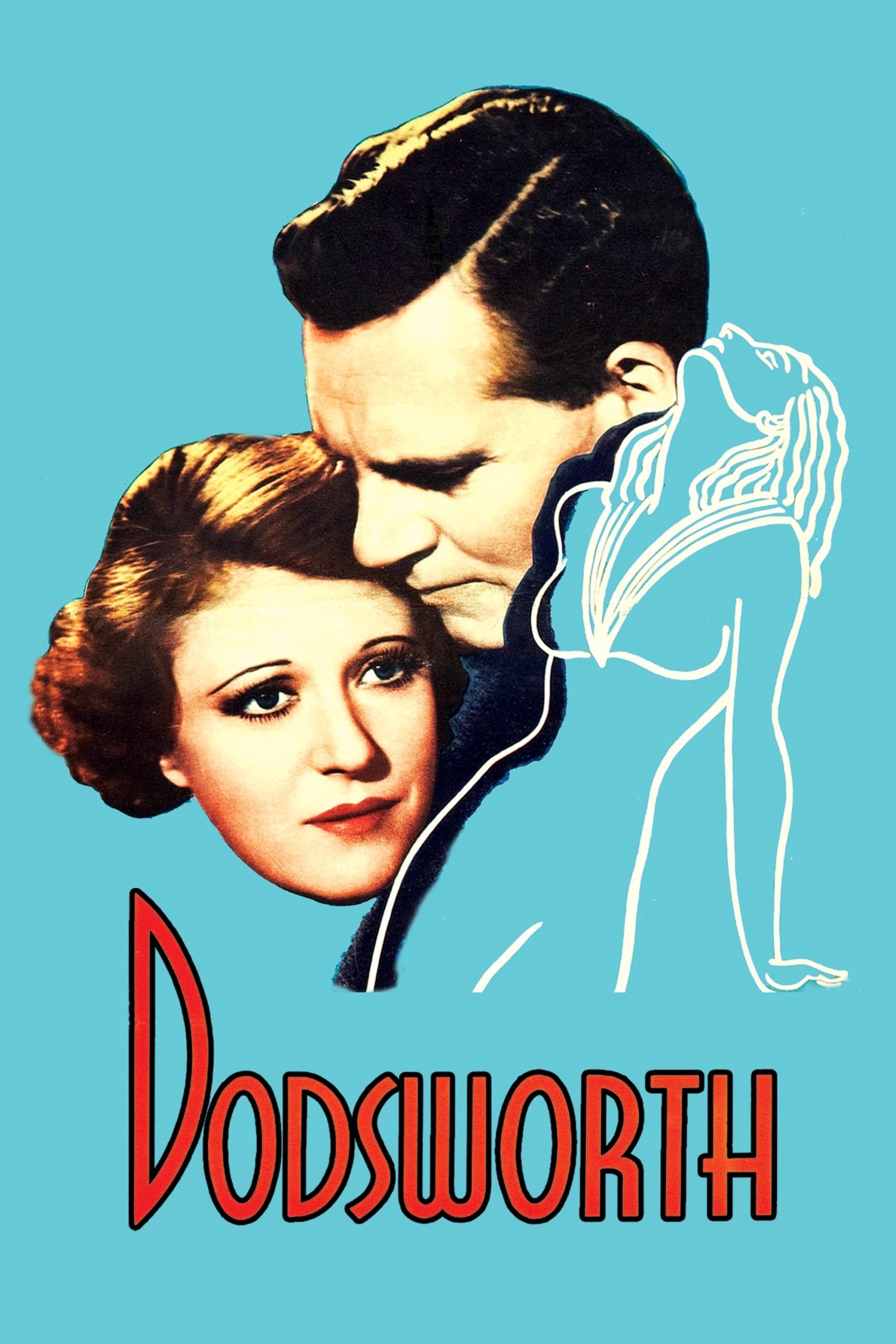
The Genre of This Film
What immediately struck me as I immersed myself in “Dodsworth” was how it swept me into the emotional turbulence of human relationships and personal evolution. This film, for me, belongs decidedly to the drama genre. The carefully shaded performances, the persistent emotional tension between its central characters, and the film’s deliberate avoidance of escapist trappings all crystallize it as drama in the classic mold. When I watch “Dodsworth,” I’m not simply following a structured plot unfolding; I’m witnessing an intricate unraveling of character, culture, marriage, and selfhood, which, in my experience, is the heartland of dramatic cinema.
Key Characteristics of the Genre
-
Common themes
Drama consistently gravitates toward themes that explore the complexity of human experience. I’ve noticed that classic dramas examine the strains and rewards of relationships—whether marital, familial, or platonic—placing their characters in situations that demand introspection and emotional honesty. These themes often include personal growth, disillusionment, identity, aging, and the pursuit of happiness, especially when such pursuits challenge the characters’ previous assumptions. In “Dodsworth,” I felt acutely aware of the themes of self-discovery and the bittersweet recalibration of life’s ambitions as one enters a new phase. -
Typical visual style
Whenever I encounter a well-made drama from the 1930s, certain visual traits stand out to me. These films typically eschew flamboyant camerawork in favor of restrained, precise compositions. Interiors are rendered with soft lighting, careful blocking of actors, and a keen focus on facial expressions. There’s a sense of realism infused within the set designs and costuming, which draws me deeper into the respective worlds these characters occupy. In “Dodsworth,” I distinctly recall the contrast between the elegant, sometimes stifling interiors and the vast, liberating outdoor sequences—both are meticulously crafted, never distracting from the characters’ psychological states. -
Narrative structure
The drama genre often employs a linear, character-driven structure, and I find “Dodsworth” to be no exception. The story unfolds at a deliberate pace, devoting time to incremental changes in characters’ attitudes and relationships. This structure encourages me, as a viewer, to become invested in a protagonist’s journey by prioritizing subtle emotional beats over sensational plot twists. Scenes often linger, inviting me to register the impact of a conversation or a silent moment, and the drama’s arc tends to revolve around the characters’ attempts to understand themselves and each other. -
Character archetypes
Throughout my encounters with dramatic films from this era, I’ve come to expect certain “types”: the flawed protagonist seeking meaning, the disillusioned spouse, the confidante or friend who represents a contrasting worldview, and the ensemble of secondary characters who mirror or challenge the central couple’s choices. In “Dodsworth,” I’m reminded of these patterns: Sam Dodsworth, dignified yet adrift after a successful career; Fran, his restless and image-conscious wife; and the array of confidants and acquaintances—some supportive, some complicating matters further—all contributing to the emotional texture.
How This Film Exemplifies the Genre
My immersion in “Dodsworth” left me marveling at how faithfully and skillfully it wears the hallmarks of classic drama. What resonates with me most is the film’s refusal to provide easy answers or melodramatic diversions. Instead, it lingers on uncomfortable silences, glances heavy with meaning, and the tumult of dignity and regret that informs its characters’ decisions. The emotional honesty in the screenplay, adapted from Sinclair Lewis’s novel, is not just present—it’s palpable in every line delivery and in the moments that seem to stretch out, unhurried and contemplative.
What I admire about “Dodsworth” as a drama is its confidence in embracing mature subject matter. There’s no overt villain or hero here; instead, I observe ordinary people struggling with extraordinary changes in fortune, attitude, and self-awareness. I’m often struck by the film’s courage in depicting marital alienation—not as a sudden cataclysm, but as a slow accretion of unmet needs, insecurities, and differing desires. Those scenes in which Sam and Fran quietly struggle to articulate their yearnings capture a sense of everyday emotional labor that I find at the core of so many great dramas.
The visual direction reinforces this—it’s spare and elegant, never flashy. The camera lingers thoughtfully, watching Sam’s stoic face or Fran’s anxious gestures, allowing me to absorb their emotional states rather than steering me toward an artificial reaction. The pacing, which others might call “measured,” to me feels absolutely right for a film that must contend with the gradual, sometimes undramatic ways people’s lives drift apart or come back together. Each supporting character serves a deliberate function, either coaxing truths from the protagonists or holding up a mirror so they might see themselves more clearly.
The moments that stay with me are rarely the explosive confrontations but rather the quiet, unguarded exchanges—a look across a dinner table, a reluctant admission, a pep talk disguised as small talk. In this way, “Dodsworth” doesn’t just participate in the drama genre; it exemplifies it, favoring authenticity over artifice and reminding me why this approach to storytelling remains so powerful across generations.
Other Essential Films in This Genre
- All That Heaven Allows (1955) – I consider this Douglas Sirk melodrama a quintessential drama for the way it explores social norms, loneliness, and personal fulfillment. The film’s quietly devastating emotional beats recall to me the same honest vulnerability I see in “Dodsworth.”
- Now, Voyager (1942) – This Bette Davis vehicle makes an indelible impression on me as a study in transformation and self-assertion. The script and performances artfully probe themes of repression, courage, and romantic possibility, just as “Dodsworth” navigates personal renewal and heartbreak.
- The Best Years of Our Lives (1946) – Few films grapple so earnestly with the aftermath of seismic life changes as this postwar classic. I find resonance between its portraits of returning servicemen and “Dodsworth’s” account of an individual reorienting themselves after their previous sense of purpose is lost.
- Mildred Pierce (1945) – When I think of the drama genre’s fascination with aspiration, sacrifice, and betrayal, this film stands out. The tension between personal ambition and family responsibilities that propels “Mildred Pierce” is echoed, to my mind, by the struggles at the heart of “Dodsworth.”
Why This Genre Continues to Endure
I often ask myself what keeps me coming back to drama, and why these films seem to find fresh audiences decade after decade. Personally, I believe it’s the genre’s unwavering belief in the significance of ordinary human dilemmas. Whether I’m watching a film made in the 1930s or the present day, the thematic material doesn’t date: marital strife, the search for a meaningful identity outside of work or marriage, the pain of aging, or the thrill and risk of reinvention. These are experiences I recognize in my own life and in the lives of those around me.
For me, drama offers solace and insight. It’s not about escapism, but about contact—reaching out to viewers with the assurance that their most private sorrows or uncertainties are shared and dignified by articulate, empathetic storytelling. When I revisit “Dodsworth” or similar films, I’m reminded that drama is the genre most likely to foster emotional maturation, not only for its characters but for its audiences, who emerge from these stories with a keener sense of empathy and self-awareness. The persistent relevance of these themes ensures that each new generation sees something of itself reflected onscreen, and this continuing act of recognition keeps the drama genre perpetually alive and vital in the cultural consciousness.
If you’re interested in how viewers respond beyond technique, you may want to explore audience and critical reception.
🎬 Check out today's best-selling movies on Amazon!
View Deals on Amazon