
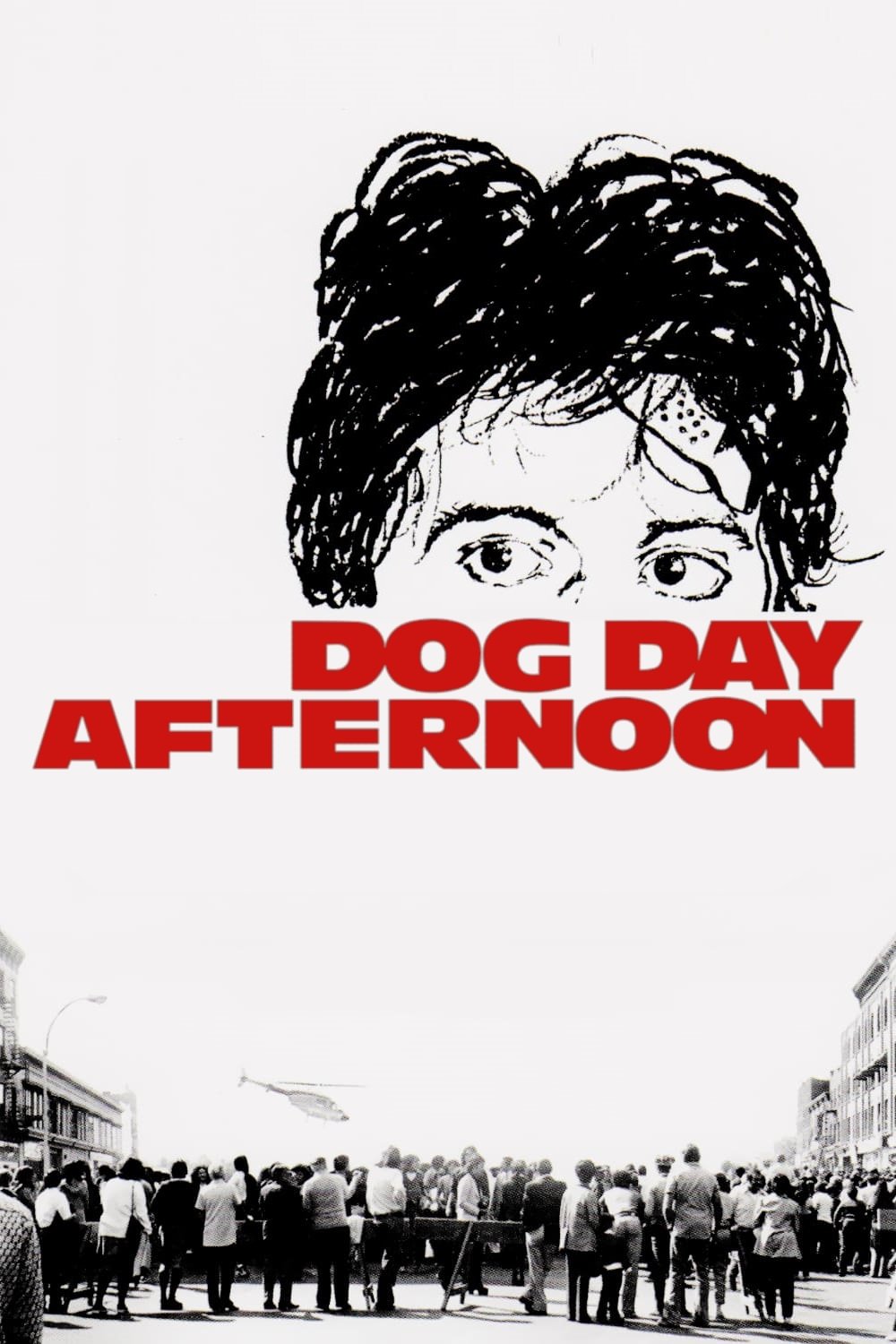
Film Movement Context
Whenever I revisit “Dog Day Afternoon,” I don’t just see a thrilling bank heist gone awry. What electrifies me each time is its placement at the heart of the American New Hollywood movement—a cinematic sea change that sent the reassuring certainties of prior decades tumbling into the gutter. As I watch Al Pacino’s Sonny sweat beneath the unrelenting heat, I’m thrust into a world where the line between right and wrong feels artfully blurred, authority is always up for suspicion, and authenticity trumps artifice. I can’t disconnect the film’s restless energy from the radical impulses of late-1960s and 1970s American cinema. I see the fingerprints of New Hollywood everywhere: the unvarnished realism, ambiguous morality, and a palpable disillusionment that feels as fresh now as when I first encountered it. It’s through these qualities that “Dog Day Afternoon” reminds me of the personal, risk-taking film tradition that upended Hollywood’s old guard and set the tone for everything rebellious and unfiltered in movies.
Historical Origins of the Movement
Whenever I think about the rise of New Hollywood, I’m struck by the intensity of its rebellion. This wasn’t a movement born out of mere aesthetic tweaks—it was a response to cultural turmoil: war, protest, Watergate, the crumbling of the American Dream. I often imagine the old studio era as a fortress, its gates tightly shut to the messiness of real life. But as the sixties collided with the seventies, audience appetites changed. People like me—restless viewers, hungry for something raw—grew tired of glossy escapism. Emerging filmmakers had inhaled international influences, from the nervy montages of the French New Wave to the moral complication of Italian neorealism. I see “Dog Day Afternoon” as squarely inhabiting the moment when system cracks widened and a new breed of storytellers seized the opportunity, using real locations, flawed protagonists, and improvisational energy to capture the country’s pervasive sense of anxiety and possibility. In this context, New Hollywood meant much more than a loose collection of talent; it became shorthand for a willingness to interrogate—and sometimes dismantle—the idealized narratives at Hollywood’s core.
This Film’s Contribution to the Movement
Experiencing “Dog Day Afternoon,” I continually marvel at how gracefully it embodies the New Hollywood ethos while pushing it even further. For me, the power comes not just from Pacino’s frenetic, vulnerable performance, but from director Sidney Lumet’s devotion to verisimilitude. The film’s claustrophobic pacing, its jagged dialogue, its lived-in Brooklyn locations—all of this evokes documentary truth. It’s as if Lumet is daring us to witness not just the mechanics of a crime but the full sweep of human longing, desperation, and confusion that propels it. What strikes me most on each viewing is the film’s capacity for empathy. Sonny’s motivations—so deeply personal and so distinct from any standard criminal archetype—set a new bar for psychological realism. Here, the villain and victim are not so easily separated, and I’m reminded of how New Hollywood insisted that audiences reckon with protagonists who mirrored contemporary anxieties and contradictions. The willingness to let events unfold in real time, with a kind of nervous improvisational rhythm, anchors the film in its moment and yet, paradoxically, makes it timeless. I can’t imagine a previous era’s movie giving so much space to personal crisis or allowing such ambiguity in audience allegiance. For me, “Dog Day Afternoon” doesn’t just exemplify New Hollywood—it agitates within it, challenging the margins of the movement with bold, compassionate storytelling.
Influence on Later Genres and Films
- Reimagining the Crime Genre – For years, I saw crime films as arenas for sharp-edged archetypes: cops and robbers, with good and evil mapped cleanly. “Dog Day Afternoon” shattered that for me. Its focus on flawed, ordinary people, forced by circumstance into criminality, spawned a subgenre of heist and hostage films centered less on the brash spectacle and more on psychological and sociopolitical complexity. Movies like “Inside Man” and “The Town” owe their blue-collar texture and ambiguous sympathies to Lumet’s example, and I notice echoes of Sonny’s human frailty—whether it’s the anxieties of a desperate family man or the complications of trying to do wrong for a ‘right’ cause. The genre’s entire emotional landscape became more diverse as a result.
- Queerness and Marginality on Screen – The first time I realized how “Dog Day Afternoon” foregrounded a queer narrative—Sonny’s efforts motivated by love for his transgender partner—was the moment I recognized just how groundbreaking its honesty was. In a Hollywood landscape seldom interested in LGBTQ+ lives except as caricature or tragedy, this choice felt quietly seismic. Later films—not just overtly queer stories like “Milk” but also mainstream features willing to afford marginalized characters full humanity—owe a debt to what “Dog Day Afternoon” dared to put at its center. I see this as a crucial line of influence, rippling through indie and studio films alike, making space for voices Hollywood once ignored.
- Naturalism and Urban Grit in Mainstream Filmmaking – The film’s handheld camera work, unscripted dialogue, and real New York atmosphere became templates not only for crime dramas but for all kinds of American realism. Watching directors like Martin Scorsese, Spike Lee, and later the Safdie brothers, I spot the DNA of Lumet’s city-bound narratives. “Dog Day Afternoon” convinced me that authenticity was not just a stylistic preference—it was an imperative if a film meant to grapple with an America in flux. The embrace of imperfect, “rough around the edges” storytelling migrated into everything from cop shows like “NYPD Blue” to the neorealist tinges of major Oscar contenders, lending a lived-in credibility to even the splashiest productions.
The Movement’s Lasting Impact
What’s always struck me about New Hollywood—and why “Dog Day Afternoon” continues to feel so vital—is its insistence on complexity. I believe the movement’s refusal to make things easy, the ability to put messiness and contradiction center stage, changed the language of American film forever. Watching Sonny negotiate with police and crowds, all while navigating his own tangle of love, anxiety, and survival, I see a cinematic world that trusts me to relate to imperfection. New Hollywood gifted us an ethic where the flaws and disarray of both characters and society become not just tolerable but essential to storytelling.
For me, the movement matters because it codified a kind of vulnerability—an openness to uncertainty, both in narrative and technique—that has shaped everything that followed, from indie cinema’s soul-baring microbudget dramas to prestige television’s dense webs of moral ambiguity. I can’t help but trace the sense of possibility in today’s most adventurous films back to that period, when relatively untested directors, writers, and actors were allowed—sometimes forced—to risk failure in the name of truth. “Dog Day Afternoon” is a touchstone not just for its time, but for every filmmaker and viewer who senses there’s more to a story than meets the eye. Its impact burns through the conservatism that so often creeps back into mass entertainment, reminding me that the bold, humane, and disruptive spirit of New Hollywood still matters, still provokes, and still endures.
To connect style and technique with broader context, you may find these perspectives useful.
🎬 Check out today's best-selling movies on Amazon!
View Deals on Amazon