
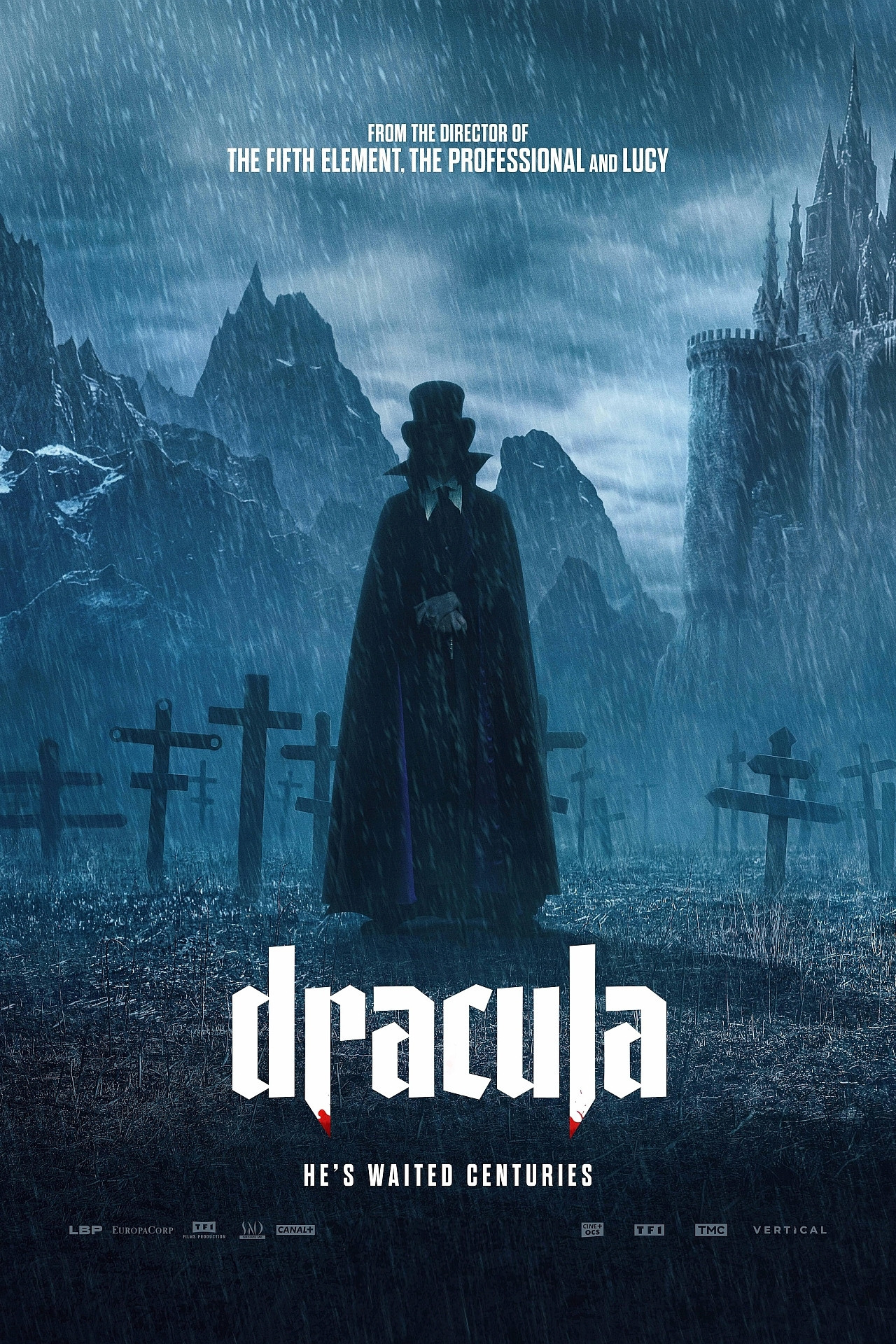
Film Movement Context
Even after so many years of studying film, the swirling shadows and chiaroscuro of Tod Browning’s Dracula (1931) strike a singular chord in me; it’s as if I’m encountering the gothic, uncanny world of early Universal horror for the very first time. This is no mere product of Hollywood escapism or simple genre formula—in my academic experience, Dracula stands as a touchstone for the emergence of American horror cinema, deeply entwined with the stylistic currents of German Expressionism and the early sound era. Whenever I revisit this film, what rises to the surface isn’t just its vampire mythos, but the way it crystallizes a new movement: the American studio horror tradition, forged at Universal Studios but deeply indebted to Europe’s darker filmmaking innovations. Rather than seeing Dracula as an isolated relic, I see it as the moment when Expressionism’s brooding psychology met Hollywood’s technological ambition, giving birth to something genuinely transformative. That’s why, for me, its movement context isn’t just about vampires at the box office—it’s about the deliberate shaping of the horror genre through stylistic and thematic cross-pollination.
Historical Origins of the Movement
When I think back on the origins of horror cinema in America, I can’t help but trace its roots repeatedly to the anxieties of the late silent era and to the creative trauma carried by filmmakers who fled postwar Europe. The 1920s European Expressionist directors—Robert Wiene, F.W. Murnau, Fritz Lang—had already mapped out a stylistic language of deep shadows, distorted sets, and tormented psychological states that, to my eyes, mirrored the cultural wounds left by the First World War. After the advent of sound technology in the late 1920s, the Hollywood studio system saw both a threat and an opportunity: the threat of a fickle public, and the opportunity to lure audiences with spectacle and sensation, especially during the anxious dawn of the Great Depression.
I’ve always felt that this hunger for sensation, mingled with the influences of émigré talent like cinematographer Karl Freund (fresh from Metropolis), set the stage for the American horror movement to ignite. Universal Pictures, in particular, sensed the box office appeal of supernatural thrills and set out to adapt European nightmares—especially the stories and theatrical successes that had originated across the Atlantic. In the case of Dracula, this meant not just borrowing the mythic vampire of Bram Stoker and the 1924 stage adaptation, but drawing directly from the Expressionist mood of Nosferatu (1922) and the visual language it invoked. For me, the very notion of monsters lurking in ornate drawing rooms and mist-filled graveyards was more than just spectacle; it was a way of making sense of collective uncertainty. American horror, as I see it, became the movement where imported visual styles collided with new socio-economic realities, synthesizing into something uniquely cinematic and, I’d argue, distinctly modern in its anxieties.
This Film’s Contribution to the Movement
If there’s a single moment in film history where the genre’s vocabulary shifted, it’s in watching Bela Lugosi descend the staircase of Castle Dracula with an eerie, aristocratic grace. For me, this isn’t just iconic performance—it’s the moment where Hollywood horror codified its own mythology. What stands out, every time I analyze Dracula, is its conscious blending of Expressionist design with the narrative clarity and star power that characterized studio-era filmmaking. Browning’s direction, particularly in the atmospheric opening and the claustrophobic interiors, harnesses a visual grammar of deep, enveloping shadows that feels straight out of Weimar Berlin, yet is repurposed for a new American sensibility.
I believe that Dracula did more than simply introduce a supernatural antagonist to American screens. It set the rules for what would become Universal’s “monster movie” template: the stately gothic setting, the emphasis on abnormal psychology, and—perhaps most distinctively—the transformation of the monstrous into the seductive. Lugosi’s performance, deliberately measured and otherworldly, isn’t just scary; it’s alluring in a way that destabilizes easy boundaries between good and evil, victim and predator. I’m always struck by the film’s reliance on visual suggestion—fog, candlelight, offscreen screams—which signals restraint and poetic horror rather than sensational gore. This, to me, signals a key shift: instead of crude shocks, the film trades on mood, repetition, and atmosphere, bearing the stamp of German Expressionism yet filtered through Universal’s American pragmatism.
In revisiting the film’s set design and composition, I continually notice how the camera lingers on architecture just as much as on actors, underscoring the psychological states of its characters. Freund’s cinematography deploys angled compositions, cavernous doorways, and oppressive lighting to evoke a sense of dislocation that feels as much about inner demons as outward fangs. The silence in the soundtrack—so often remarked upon for its lack of music—works, in my mind, to amplify this unease. The film’s use of sound is primitive by today’s standards, yet I find its very sparseness haunting. When I analyze Dracula, I see a film less concerned with literal monsters than with creating an emotional landscape where dread and beauty intermingle. This synthesis of style and tone, I’m convinced, is what turned Dracula into the movement-defining work it is today.
Influence on Later Genres and Films
- Codification of Studio Gothic Horror – Explanation: In my own years teaching and writing about horror, I return often to how Dracula gave us the visual and thematic “grammar” of cinematic gothic: the crypts, the moonlight, the obsessively adorned drawing rooms, and the clash between urban and rural anxieties. Universal would recycle these design motifs endlessly, leading directly to the studio’s classic run—Frankenstein (1931), The Mummy (1932), The Wolf Man (1941)—each film borrowing not just sets and costumes, but the measured, poetic dread that Dracula pioneered. This codification gave American horror a recognizable identity, one I still see echoing in films that play with Victorian and pseudo-European settings. When I watch later genre films, from Crimson Peak to Interview with the Vampire, I’m always reminded how deeply Browning’s visual strategies still inform cinematic horror’s sense of the haunted and the baroque.
- Transformation of the Monster Archetype – Explanation: What has always fascinated me about Dracula is how the film, through Lugosi’s reserved yet magnetic performance, redefined the figure of the monster. He brings a refined, sexualized, and subtly tragic dimension to Dracula that would reverberate through decades of horror storytelling. Before 1931, monsters in film tended to be grotesque, animalistic, or marginal; after Dracula, the monster became a mirror—a figure embodying both the allure of the forbidden and the threat of the uncanny. I often refer to how the film’s legacy ripples through everything from Christopher Lee’s Dracula in the Hammer films to Anne Rice’s languid, introspective vampires. Films like Let the Right One In and Only Lovers Left Alive would be inconceivable without this reimagining of the monster not as pure villain, but as a complex, seductive, and even sympathetic “Other.” This shift, initiated by Dracula, broadened the genre’s capacity for exploring desire, death, and the limits of the self.
- Emergence of the Horror Franchise Model – Explanation: I can’t help but marvel at how Dracula was instrumental in establishing not just stylistic norms, but the commercial logic of horror as a franchise. Prior to this film, sequels and shared universes were rare, but the overwhelming success of Dracula and subsequent monster movies compelled Universal—and later, countless rivals—to develop interconnected storylines, recurring characters, and even monster “crossovers.” From the 1940s’ House of Frankenstein to the twisted continuity of modern Conjuring Universe films, the replication and expansion of horror mythologies is, for me, a direct outgrowth of Dracula’s lasting popularity. This film demonstrated that horror, once thought too niche, could nurture an ecosystem of stars, spinoffs, merchandise, and reinterpretations—a principle that has shaped not just horror, but all modern blockbuster cinema.
The Movement’s Lasting Impact
As I look back on Universal’s classical horror cycle, of which Dracula is the keystone, I’m continually struck by the movement’s enduring relevance—not just aesthetically, but emotionally and intellectually. For me, these films aren’t mere museum pieces. They live in the rituals of Halloween, the iconography of pop culture, and, more profoundly, in the language of fear and the imagination that contemporary cinema still deploys. The hybridization of German Expressionist style with American studio pragmatism remains a watershed moment; it proved that genre films could be both commercially viable and artistically ambitious. I often argue that the American horror tradition, born in the shadows of Dracula, embodies an anxiety and a poeticism that continues to offer a way of making sense of cultural crises—be it war, disease, or existential dread.
Whenever I encounter the old gothic tropes—light slicing through windowpanes, fog rolling across graveyards, or the unsettling allure of the “other”—I recognize a lineage that begins, for American audiences, with Dracula. The movement’s legacy is its insistence that horror is not mere exploitation, but a site for expressionistic beauty, psychological excavation, and societal reflection. In my own work, I find that tracing these echoes helps me understand why horror, as a genre and a movement, has survived endless cycles of censorship, parody, and renewal. Dracula matters not just because it frightened audiences, but because it taught us how to look into the darkness and find meaning there.
To connect style and technique with broader context, you may find these perspectives useful.
🎬 Check out today's best-selling movies on Amazon!
View Deals on Amazon