
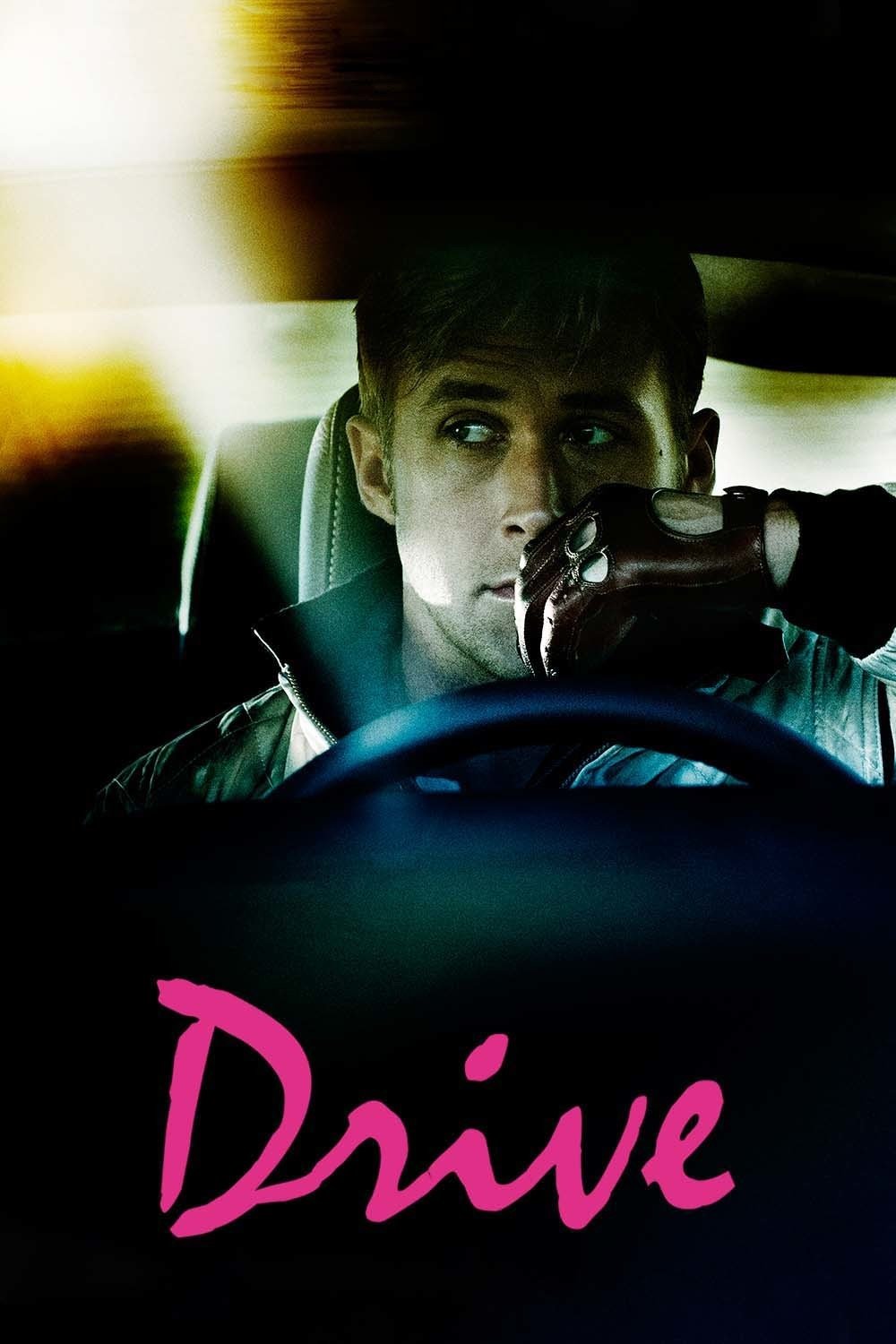
The Genre of This Film
Whenever I revisit “Drive,” the word that constantly rings in my head is “neo-noir.” For me, this classification is inescapable. The movie isn’t simply about fast cars or stylized violence—it’s an exploration of mood, alienation, and moral ambiguity packaged in a sleek, contemporary wrapper. I see “Drive” as a modern evolution of classic film noir, transported to a Los Angeles that is both neon-lit and shadow-drenched. The hallmarks of noir are all present: the existential protagonist, the criminal underworld, and a city that feels both intimate and endlessly menacing. The glossy surfaces can’t disguise the loneliness that defines every frame. While it incorporates elements of action and crime drama, I feel its true allegiance lies with the neo-noir tradition—because it revives and refashions the core sensibilities of noir within a distinctly 21st-century setting. From its fatalistic tone to its stylized approach to violence, “Drive” embodies what I associate most with neo-noir’s modern legacy.
Key Characteristics of the Genre
- Common themes
- I often find myself drawn to the way neo-noir films wrestle with questions of trust, corruption, and solitude. They embrace themes of moral uncertainty, the impossibility of escape from one’s own nature, and the haunting sense that fate is inescapable. For me, these films are rarely about triumph—they’re about surviving with one’s code intact, even if the cost is steep. In the best neo-noirs, I see an undercurrent of romance tainted by danger or loss, and a fascination with the ethical gray zones that ordinary life tries to conceal.
- Typical visual style
- I can’t ignore the visual impact when I watch a neo-noir. There’s an addictive mix of high-contrast lighting, reflections, and the interplay between vibrant color and deep shadow. In older noirs, it’s chiaroscuro and cigarette smoke; in the neo-noir lineage, it’s neon pinks clashing with urban darkness, chrome glistening in moonlight, and sterile cityscapes that somehow feel claustrophobic. The cinematography often lingers, inviting me to get lost in the tension between alluring surfaces and hidden dangers. The style isn’t only decorative—it’s about conjuring an emotional state, a visual representation of the characters’ internal turmoil.
- Narrative structure
- When I watch these films, I’m struck by their devotion to plotting that is both intricate and, at times, fragmentary. Neo-noir stories don’t always follow smooth, linear progressions. Flashbacks, unreliable narration, or a fractured chronology are common—narrative choices that reflect the confusion and disorientation experienced by the characters. There’s often a central mystery or a sequence of double-crosses and betrayals, with each new revelation inviting more questions. More than anything, I sense an intentional refusal to tie things up neatly; ambiguity lingers at the edges, mirroring the genre’s moral complexity.
- Character archetypes
- One of the reasons I’m so captivated by the genre is the depth and subtlety of its characters. The protagonists are rarely straightforward heroes; they’re drifters, loners, or damaged romantic ideals who operate according to a personal yet inscrutable code. The antihero is central—a figure capable of extreme violence yet capable, too, of tenderness or sacrifice. Supporting cast members often include the femme fatale, tragic innocents, corrupt officials, or ruthless mobsters. Each feels less like a stereotype and more like a puzzle—someone whose motivations are always just out of reach, leaving me questioning who can be trusted.
How This Film Exemplifies the Genre
The first time I experienced “Drive,” I was overtaken by the film’s hypnotic atmosphere and its audacious visual palette. It was a reminder of how a movie can conjure mood out of thin air, making me feel suspended in time. The opening sequence alone—spare dialogue, Los Angeles at night, the eerie calm before a burst of violence—was pure neo-noir to my senses. The Driver, played by Ryan Gosling, struck me as the quintessential antihero: composed, emotionally armored, conveying more through silence than words ever could. He’s as enigmatic as any noir protagonist I’ve ever encountered. I found myself fixated on his duality—capable of raw brutality yet drawn to fleeting human connection, always hovering on the edge of self-destruction.
Visually, “Drive” is an intoxicating blend of cool restraint and sudden, shocking violence—a style that echoes classic noir’s shadows but intensifies them with flourishes of vivid color, pulsing synth music, and lingering camera movements. The city itself becomes a labyrinth—glittering, empty, at once inviting and dangerous. Every frame seems to whisper its characters’ secrets. I remember being struck by the minimalism of the dialogue; it forced me to find meaning in gestures, in long, silent stares. This spare approach made the moments of violence jarringly effective, letting their emotional weight settle over me long after the credits rolled.
The narrative itself felt almost mythic in its simplicity: a solitary man drawn inexorably into a world of crime but motivated, at least in part, by an impossible hope for redemption or love. I see traces of the doomed romanticism that runs through the entire noir tradition. Supporting characters fit their archetypal roles—a vulnerable single mother, a world-weary mentor, criminals with their own codes and grudges—while always hinting at greater depths. In the world of “Drive,” every relationship is tinged with possibility and regret, and I found myself haunted by the sense that even brief connections can carry lasting consequences. It’s a film that, for me, is both a loving homage to the past and a bold statement about how the genre can continue to evolve.
Other Essential Films in This Genre
- Chinatown (1974) – When I watch “Chinatown,” I’m enveloped by an atmosphere that could only exist in the world of neo-noir. I see a wounded private detective navigating a Los Angeles rife with secrets, corruption, and moral ambiguity. Roman Polanski’s direction brings out the genre’s pessimism and perpetual ambiguity, with a story about power and betrayal that leaves me unsettled even after repeated viewings. There’s the ongoing tension between past and present, innocence and cynicism, all delivered through unforgettable performances and a relentlessly downbeat tone.
- Thief (1981) – “Thief,” under Michael Mann’s meticulous eye, is for me a masterclass in stylized urban storytelling. The film plunges me into a world of high-stakes crime and nocturnal unease. James Caan’s character, a stoic safecracker wrestling with his own ideals and longings, epitomizes the neo-noir antihero. The use of moody lighting, synth-driven scores, and a relentless yet introspective protagonist connects deeply with my appreciation for what this genre can evoke—alienation, yearning for freedom, and the allure of danger around every corner.
- Heat (1995) – Every time I rewatch “Heat,” I’m reminded of the grand scale to which neo-noir can aspire. Mann crafts a sprawling Los Angeles that feels both intimately familiar and suffocatingly vast. The cat-and-mouse dynamic between De Niro’s thief and Pacino’s cop brings the classic noir rivalry into a modern, kinetic landscape. I’m fascinated by the blurring of moral boundaries, the existential weight carried by each character, and the way the city becomes a brooding, impersonal force in their fate. The film’s style—icy blues, shadowy interiors, tense night sequences—makes me feel as if I’m inhabiting the noir world anew.
- Collateral (2004) – I think of “Collateral” as a night-long descent into the heart of a city that never truly sleeps, with danger lurking in every corner. Watching Tom Cruise’s assassin force Jamie Foxx’s cab driver into a deadly odyssey, I’m struck by the film’s amplified tension and its exploration of chance, fate, and identity—all pillars of the neo-noir genre. The existential anxiety, beautifully rendered nighttime photography, and moral ambiguity keep pulling me back into the story’s brooding universe. For me, “Collateral” proves that neo-noir is as much about philosophical mood as it is a set of narrative tropes.
Why This Genre Continues to Endure
I’m always surprised, whenever I teach or discuss movies from the neo-noir tradition, by how deeply people respond to their aesthetic and emotional power. There’s something enduringly magnetic, for me and for so many others, about stories that dare to confront life’s ambiguities head-on. I think the genre resonates because it reflects an increasingly complex and impersonal world; it acknowledges that right and wrong are not always clear-cut, that the search for meaning is often filled with dead ends. Neo-noir invites me to sit with that discomfort—a rare and necessary experience in a culture hungry for easy answers.
On a personal level, I’m continually captivated by how these films combine style and substance. The interplay of visuals and sound heightens my immersion, allowing mood and atmosphere to carry as much weight as the plot itself. The genre’s willingness to embrace flawed protagonists and unresolved endings reminds me that cinema doesn’t need to offer closure; sometimes it asks us to dwell in the questions, finding beauty in uncertainty. Over time, I’ve noticed neo-noir evolving to reflect the anxieties of each era—whether it’s urban alienation, moral relativism, or technological dread—yet the essence remains the same. There’s always a solitary figure walking a midnight street, caught between hope and despair, searching for connection in a world that resists understanding. That tension, for me, is why the genre persists, alluring new generations of viewers who sense their own fears and desires mirrored in the flickering light.
If you’re interested in how viewers respond beyond technique, you may want to explore audience and critical reception.
🎬 Check out today's best-selling movies on Amazon!
View Deals on Amazon