
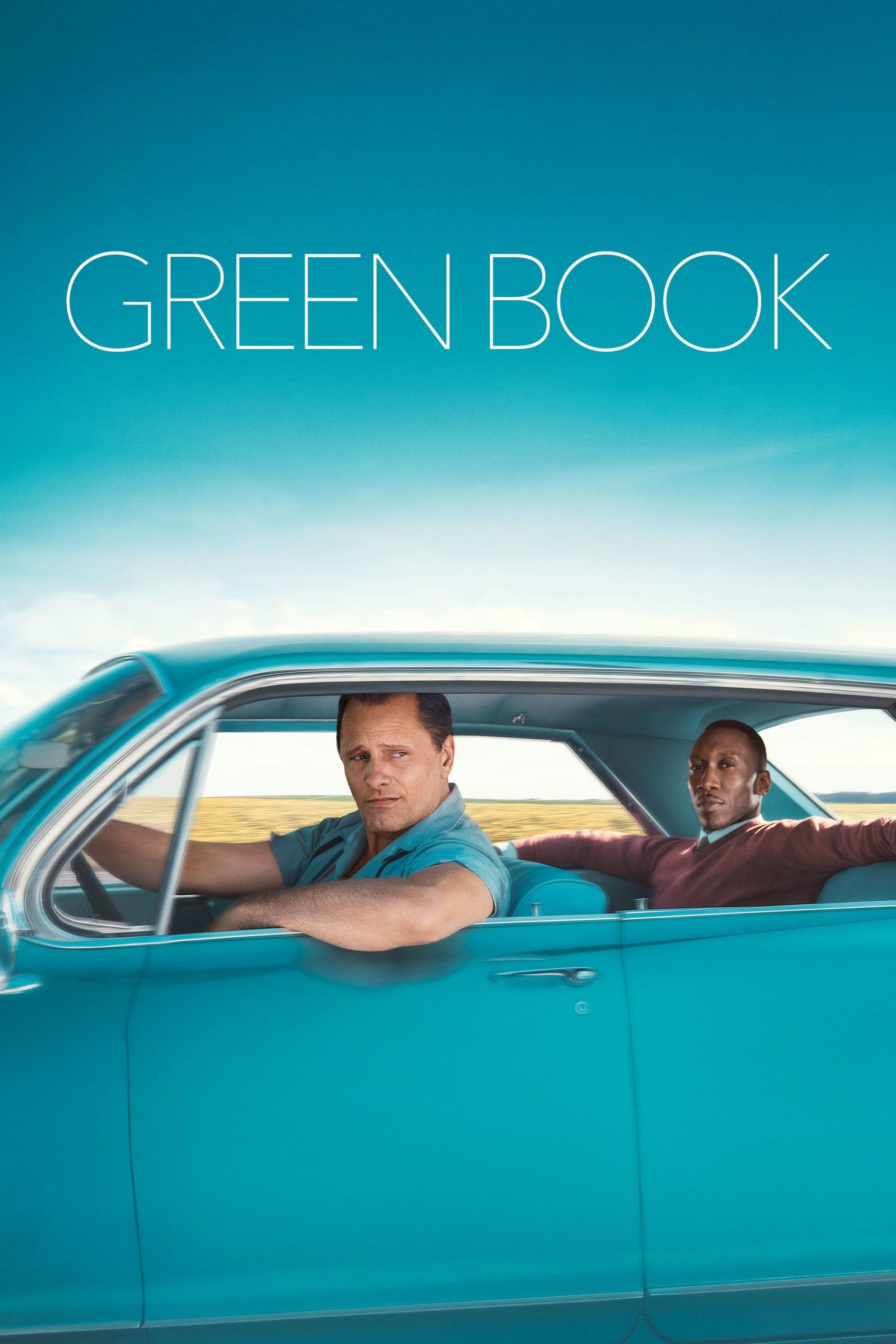
The Genre of This Film
When I first watched “Green Book,” I immediately recognized the unmistakable heartbeat of the road movie drama pulsing beneath its surface. For me, its primary genre is the character-driven drama, specifically rooted in the tradition of what I consider the “buddy road film.” This is not just a story about travel or music; it’s about the shifting dynamic between two vastly different individuals, forced into proximity as they confront prejudice, personal growth, and their own limitations. “Green Book” leans on the conventions of dramatic storytelling by engaging my emotions and drawing me into the deeply personal journey both men undertake, not only across geographical borders but also through boundaries of class, race, and worldview. Its framing as a road trip is key: the physical and emotional distance the men cover is essential to the genre’s impact. For me, this unique blend solidifies “Green Book” within the rich tradition of dramatic, travel-centered films, where a literal journey is a vessel for transformative, interpersonal experience.
Key Characteristics of the Genre
-
Common themes
In my experience, road dramas like “Green Book” grapple with reconciliation, unlikely friendships, and the idea of self-discovery through shared adversity. I notice a strong emphasis on overcoming prejudice—internal and external—while navigating the push-pull between the familiar and the unknown. These films rarely settle for surface-level conflicts; instead, they dig into class, cultural, or ethical quandaries that push characters toward understanding. The most memorable examples always confront broader social backdrops—even if they’re intimate stories, they reflect societal tensions that feel larger than any one person’s arc. -
Typical visual style
When I recall the visual palette of road dramas, it’s often defined by its shifting landscapes and a keen awareness of atmosphere. These movies love to set characters against the rolling highways, small-town diners, and scenic backdrops that amplify a sense of movement. In “Green Book,” I feel the cinematography captures both the claustrophobia of the car and the expansiveness of a journey through multiple regions. There’s a focus on subtle contrasts—the cramped interior of the vehicle versus the sweeping roads, or the refined concert halls against humble lodgings—that visually reinforce the social and personal disparities at play. Lighting in these films tends toward naturalism, helping me feel as if I’m eavesdropping on real, unfiltered moments. -
Narrative structure
I consistently find that road dramas use a linear, episodic structure: the plot unfolds as a sequence of destinations, each new stop introducing tensions or challenges that test and develop the characters. There is often a steady progression—a literal and metaphorical path forward, punctuated by incidents that function like waypoints along an emotional journey. “Green Book” mirrors this, using the itinerary as a framework for character interaction. Each town, obstacle, and encounter becomes a mini-drama, but everything serves the cumulative evolution of the central relationship. As a viewer, I’m conscious of how the narrative tightening between the protagonists parallels the narrowing distance between their worldviews. -
Character archetypes
These genres have recognizable stock characters, but I always value when a film humanizes or deepens them beyond stereotype. One recurring pair is the mismatched duo: the rough-edged protector and the reserved, idealistic outsider. I am drawn to how “Green Book” uses the arrogant but well-meaning working-class Italian American and the dignified, isolated Black pianist—each person’s flaws bring out the other’s vulnerabilities and strengths. The road setting typically traps such opposites together, ensuring friction but also opportunity for empathy. Supporting characters are usually transient, highlighting how the leads must rely on each other. For me, the magic lies in watching resistance dissolve into mutual respect, never forgetting the genre’s underlying optimism about change.
How This Film Exemplifies the Genre
Reflecting on my time with “Green Book,” I feel it is a quintessential buddy drama, practically a showcase for all the elements I associate with the form. The film’s core achievement, as I see it, is how it orchestrates the physical journey to parallel the internal transformations of Tony and Dr. Shirley. Their slow-burning friendship emerges through a series of incidents that test not just their patience but their values, biases, and practical skills; the script gives each man opportunities to be both flawed and admirable, fully embracing the contradictions that make their partnership credible rather than forced.
I am especially taken with the film’s sense of pacing. Each new town is more than a backdrop; it’s a catalyst for change. When Tony confronts explicit racism, or when Don Shirley resists compromise in the face of humiliation, I perceive these episodes as mirrors for larger American historical truths, even if the film keeps the point personal. Their growing reliance on one another – Tony becoming less reactive, Shirley letting himself be vulnerable – is rendered in both dialogue and in silent, telling moments. That’s something I look for in this genre: growth communicated as much through glances, gestures, and reluctant laughter as through overt exposition.
I’d be remiss not to mention my appreciation for the visual storytelling here. Director Peter Farrelly, coming from a background steeped in comedy, surprises me with his careful balance of warmth and sharpness. His shot choices frequently reinforce the theme of companionship, often framing the two men within the car’s tight interior or visually isolating them in unfamiliar environments. This persistent visual motif of togetherness-in-isolation reminds me how most powerful dramas keep their focus on character rather than spectacle. The gentle, unhurried editing lets the story breathe, making room for the awkward silences and quiet reckonings that build credibility.
On an archetypal level, Tony Lip is more than bluster or crudeness, and Don Shirley is allowed flaws and pride that complicate the story’s moral easy answers. The side characters—restaurant owners, cops, and fellow musicians—are vivid snapshots that color the journey without overshadowing the leads. In my judgment, “Green Book” succeeds because it’s willing to linger in discomfort, using the conventions of dramatic, character-driven road tales as tools for connection rather than manipulation. I leave the film not with a sense of resolution but with a feeling that life, like the open road, is never neatly finished—which is what I crave from the genre at its best.
Other Essential Films in This Genre
-
“Rain Man” (1988) – Road Trip and Unexpected Bond
I return to “Rain Man” when I think of the genre’s emotional power. This film, for me, exemplifies how a journey with an unlikely companion—here, two estranged brothers—can upend preconceptions and open space for genuine connection. Watching Tom Cruise’s arrogant hustler and Dustin Hoffman’s autistic savant travel cross-country, I’m always struck by the gradual evolution from frustration to fierce protectiveness, echoing the heart of the buddy road drama. Each highway brings new challenges that demand patience and empathy, which is what I value most in these stories. -
“Thelma & Louise” (1991) – Female Buddy Odyssey
While “Green Book” and “Rain Man” revolve around male duos, I see “Thelma & Louise” as the genre’s bold expansion. Ridley Scott’s film draws me in by channeling a similar spirit of liberation and transformation, but through the lens of female friendship. Their flight from oppressive circumstances—and each lawless decision along the way—turns the American highway into a testing ground for identity and trust. I find the defiance, camaraderie, and inevitable tragedy to be quintessential elements of the drama road trip, only this time with gender politics underscored in every choice. -
“Planes, Trains and Automobiles” (1987) – Comedy Infused with Drama
I’m always taken by how “Planes, Trains and Automobiles” manages to merge hilarity with the poignancy of the genre. Steve Martin and John Candy’s journey home for Thanksgiving becomes an odyssey of inconvenience, compassion, and, ultimately, understanding. Behind every slapstick mishap lies a deeper meditation on loneliness and kinship that resonates with the core goals of the dramatic road film. I often use this film as an example of how humor can deepen, rather than diminish, emotional stakes in genre storytelling. -
“Midnight Run” (1988) – Action-Driven Buddy Drama
In “Midnight Run,” I appreciate how the genre flexes its muscles to accommodate more action and suspense, but I never lose sight of the central character bond. The pairing of Robert De Niro’s bounty hunter with Charles Grodin’s embezzler is filled with friction and reluctant affection, very much in the tradition of opposites forced to cooperate for survival. Their trek across the country is peppered with both peril and comic relief, reinforcing for me how the road narrative is infinitely adaptable to shifts in tone and style, so long as character remains central.
Why This Genre Continues to Endure
If I’m honest with myself, my attachment to the drama-infused road film owes a lot to my own hunger for stories about change. There is something universally appealing about watching characters who start far apart—ethnically, socially, or philosophically—travel a route that, bit by bit, brings them closer and reveals new eyes both for one another and the world. I think audiences, myself included, crave these stories because they promise and sometimes even deliver transformation, a path out of division, if only for a moment. The genre’s physical journey provides a built-in metaphor for personal and societal change without preaching, inviting viewers to see themselves in the slow unraveling of certainty and the cautious embrace of trust.
From my perspective, part of the genre’s longevity comes from how it draws on the powerful tension between the familiar and the strange. The open road signifies possibility—the unknown—but it also foregrounds the everyday details that make life authentic and rich. Whether I’m watching an older classic or a contemporary retelling, I’m still struck by how these films use setting as a catalyst for nuance. That continual contact with the unfamiliar forces growth, story after story, decade after decade.
Another reason I believe this genre still resonates is its inherent optimism. Even when resolutions remain ambiguous or bittersweet, there is an underlying faith—sometimes just a hope—that barriers between people can be lowered. These movies never let me forget how fragile and hard-won trust is, especially when the differences at play are rooted in race, class, or trauma. In a world where division seems to dominate discourse, I suspect viewers return to these films for reminders—however idealized—of the bridges that can be built on stretches of road and shared hardship.
More than anything, my devotion to the genre is personal. It mirrors my own experiences of friendship that emerged unexpectedly, of life-changing conversations that wouldn’t have happened if routine hadn’t been interrupted. Each viewing renews for me the belief that the best drama isn’t about grand gestures, but the incremental steps toward understanding. When I see how a film like “Green Book” continues to reach new audiences, I’m reminded that stories of connection, discomfort, and change are as relevant as ever, making the road drama a deeply human canvas that endures because it never stops searching with us.
If you’re interested in how viewers respond beyond technique, you may want to explore audience and critical reception.
🎬 Check out today's best-selling movies on Amazon!
View Deals on Amazon