
The Genre of This Film
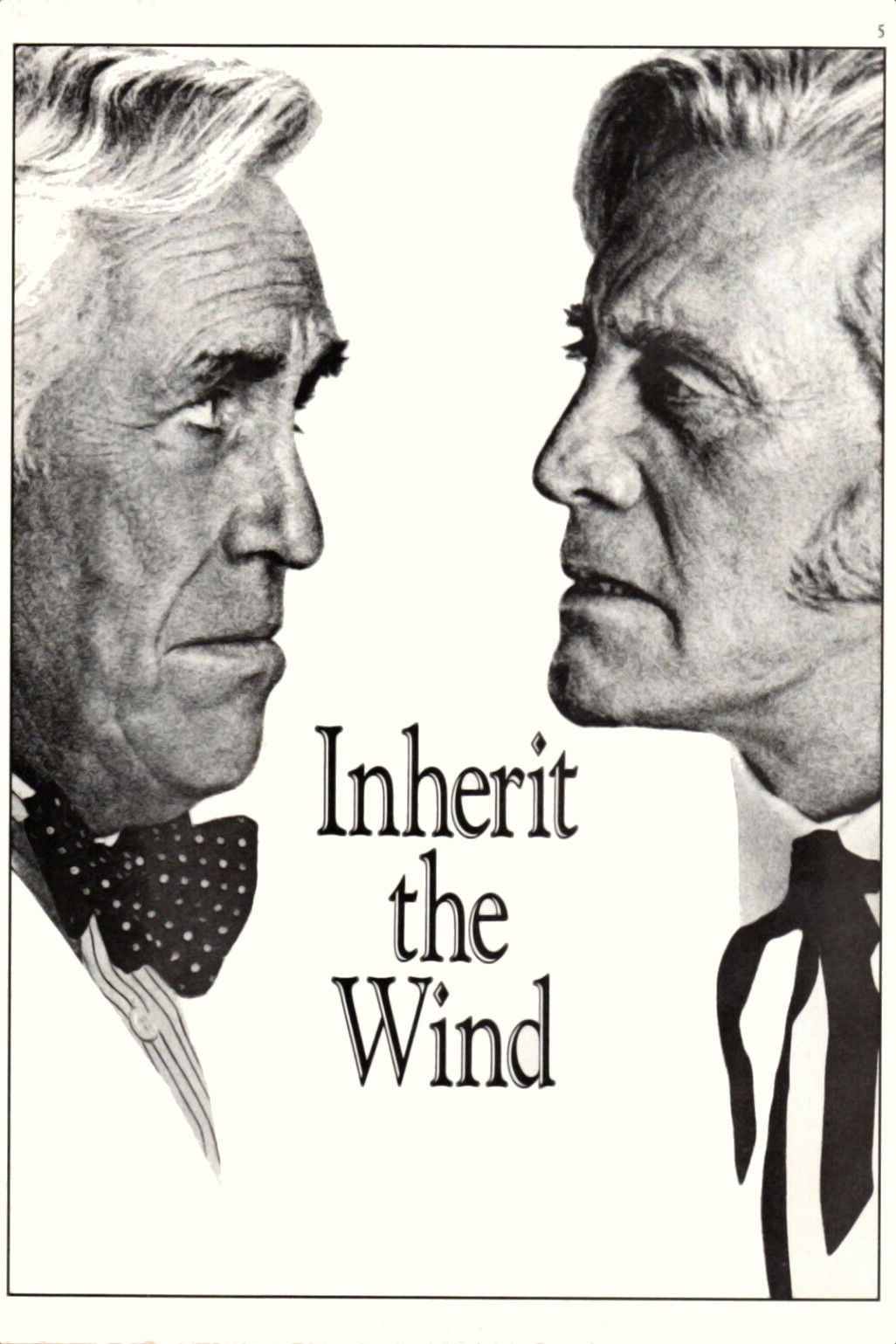
Whenever I revisit “Inherit the Wind” (1960), I’m immediately pulled into a world defined as much by heated debate as any physical setting or visual motif. For me, this film belongs squarely to the courtroom drama genre, an area of classic cinema that I personally associate with sharp rhetoric, moral conflict, and public spectacle. The entire story revolves around a legal confrontation that serves as a stage for larger social discussions, which is a hallmark of the courtroom drama. I never feel like I’m simply watching lawyers sparring over legal minutiae; instead, I’m made to experience how the genre uses the process of justice itself as a way to explore urgent social, philosophical, and even existential issues. The genre’s pulse is evident in every exchange between counsel, every cross-examination, and even in those tense moments when the trial pauses, leaving the audience to absorb the mounting tension.
Key Characteristics of the Genre
-
Common themes
I always look for certain recurring topics when approaching a courtroom drama, and “Inherit the Wind” ticks every box for me. These films, in my experience, gravitate toward themes like the search for truth, individual conscience versus institutional authority, justice and its sometimes elusive nature, and, quite often, the role of society in shaping or distorting both the law and morality. I find that the genre is especially adept at examining the collision between personal belief and communal norms, a tension that powers nearly every significant conflict in these narratives. Civil liberties, social justice, and the belief in rational debate—these aren’t just background ideas, they’re the raw fuel that feeds the fiery exchanges I so cherish in this genre. -
Typical visual style
Whenever I watch a courtroom drama, I’m struck by the austere, almost claustrophobic visual language. Shadowed interiors, high-contrast lighting, and framed compositions that trap characters between the benches and railings evoke a sense of containment and pressure. “Inherit the Wind,” like so many films in this tradition, thrives on the visual tension created by packed courtrooms, closeups of sweaty brows, and the systematic use of medium and close shots to emphasize the emotional intensity and intellectual stakes. I’ve always felt that these movies prefer the precision of subtle expression over the grandiosity of spectacle, leveraging the spatial limitations of the courtroom to great effect. -
Narrative structure
Maybe it’s because I’m drawn to confrontation, but the typical structure I’ve noticed in courtroom dramas is deeply satisfying. The narrative arc often unfolds like a duel, beginning with a setup—usually a controversial accusation or crime—followed by a collection of evidence, and then a series of tense, escalating confrontations that build toward a climactic verdict. The revelation of evidence, surprise witnesses, impassioned summations—these story beats are as integral to the genre as the gunfight is to the Western. What sets this structure apart for me is the way it often uses the procedural rhythm of the courtroom (opening statements, questioning, objections) to explore themes publicly, with the characters sometimes using the legal forum to address the entire community—or even humanity itself. -
Character archetypes
Over the years, I tend to spot familiar faces in these movies—at least, as archetypes if not actors. There’s the idealistic defense attorney, standing in for the audience’s social conscience. Often, the prosecutor represents the rigidity (and sometimes cruelty) of institution or tradition. I’ve also come to expect a judge whose role is to appear impartial yet is inevitably pressured by external forces. These films nearly always pit these central figures against secondary players—juries, reporters, worried townspeople—each a manifestation of public opinion or cultural anxiety. “Inherit the Wind,” in particular, showcases the archetypal battle between progress and tradition, science and fundamentalism—an approach that feels less about the veracity of the law than about what kind of society we want to create through it.
How This Film Exemplifies the Genre
Watching “Inherit the Wind,” I am constantly reminded why courtroom dramas captivate me: the genre becomes a crucible for society’s fiercest debates. This film is perhaps one of the purest exemplars, not because it adheres slavishly to the clichés, but because it transcends them, turning the staid process of a legal trial into a vibrant, kinetic forum for fundamental arguments about freedom of thought and the role of education. I find myself glued to the exchanges between the lead attorneys, the dialogue brimming with wit and passion, but also bristling with the tension that comes from confronting entrenched social values. The courtroom itself transforms into a kind of theatrical stage, where the contestants debate not only the letter of the law but its very spirit.
For me, it’s the psychological and moral complexity of the characters that roots “Inherit the Wind” so deeply in the genre. The defense and prosecution are not merely mouthpieces for opposing camps, but flesh-and-blood individuals driven by deep convictions and personal histories. Every time I watch, I appreciate how the film frames these intellectual skirmishes within the human drama of humiliation, ambition, grief, and benevolence. The film’s visual style, with its deliberate pacing and careful use of closeups during climactic testimony, draws me into the interiority of the characters, translating their ideological positions into lived emotional reality.
What I find most genre-defining, though, is how the narrative structure transforms what could be an isolated event—a single, sensational trial—into an emblem for societal anxiety and hope. The opening scenes that lead into the contentious trial, the gradual buildup of public uproar, the carefully modulated courtroom confrontations, and the final reckoning all adhere to—and subtly reinvent—the genre’s conventions. Each witness, each objection, each juror reaction, becomes a microcosm of the broader debate raging in society at the time, and by the story’s conclusion, I always feel as if I’ve attended not just a trial, but a pivotal chapter in the ongoing struggle between belief and reason. The genre’s ability to elevate intimate, personal moments into public discourse is superbly realized in this film.
Other Essential Films in This Genre
- 12 Angry Men (1957) – I find this film to be an absolute staple of the courtroom drama, despite the fact that the action never actually reaches the courtroom proper; the entire piece is set in a jury room. What defines it for me is the intense focus on the deliberative process and the demonstration of group psychology under pressure. Watching each juror’s biases, reasoning, and sense of justice unfold in real time makes it an intimate exploration of how verdicts are reached, which is, at its heart, what courtroom dramas strive to reveal.
- Anatomy of a Murder (1959) – When I think of meticulous, unsparing legal dramas, I can’t help but mention this one. Its handling of legal process, the ambiguity of right and wrong, and its dogged exploration of the procedures and personalities shaping the courtroom experience strike me as quintessential. I was especially drawn to its willingness to leave ethical questions unresolved, allowing the messiness of human motivation and the law to remain uncomfortably entangled.
- To Kill a Mockingbird (1962) – This film always comes to the front of my mind as a paragon not only of courtroom drama, but also of how the genre serves as a backdrop for broader lessons on justice, prejudice, and moral courage. I’m moved by how the trial is less about the crime itself and more about exposing deeply rooted societal racism, with the courtroom becoming a stage for the most urgent moral lessons of the era.
- Judgment at Nuremberg (1961) – The gravity and global scale of this film are what distinguish it for me. It’s a masterclass in using the courtroom as a space to settle not just personal disputes, but the enormous moral reckonings of an entire nation in the aftermath of war. Each witness, each judge, each law debated in this film seems to confront the very foundations of ethics, responsibility, and what it means to pursue justice after atrocity.
Why This Genre Continues to Endure
Year after year, I find that courtroom dramas retain their magnetic power, constantly drawing new generations into their combustible atmosphere of conflict and revelation. There’s something uniquely compelling about being embedded, even as a spectator, in the processes by which facts are debated, motives are uncovered, and the tumultuous struggle between private conscience and public duty plays out. For me, the restless energy of cross-examination, the suspense of waiting for a verdict, and the spectacle of philosophy and emotion colliding give the genre its lasting appeal.
Part of why I believe this genre resonates so deeply is its accessibility; these are stories grounded in procedure, institution, and logic, yet always open to unpredictable outcomes because of the frailties and passions of the people involved. I often feel like every case, regardless of its verdict, is a miniature referendum on who we are and what values we prioritize. Audiences, myself included, are drawn to moments where the stakes are both intensely personal and resoundingly communal—where one person’s fate may well reflect the moral temperature of society itself.
As issues of justice, civil rights, and societal progress remain as fiercely debated today as during the era of “Inherit the Wind,” I see this genre as a continuously relevant forum. Its best works make legal proceedings feel immediate and consequential, never distant or abstract. There’s a cathartic pleasure and a moral charge in watching arguments unfold in a public contest, and in seeing individuals—whether jurors, lawyers, or defendants—try to make sense of their world within the relentless boundaries of the law. That’s why, even after decades of new storytelling techniques, courtroom dramas remain essential: they mirror back both our ideals and our blind spots, unearthing questions that never fully resolve and always demand a new hearing.
If you’re interested in how viewers respond beyond technique, you may want to explore audience and critical reception.
🎬 Check out today's best-selling movies on Amazon!
View Deals on Amazon