
Film Movement Context
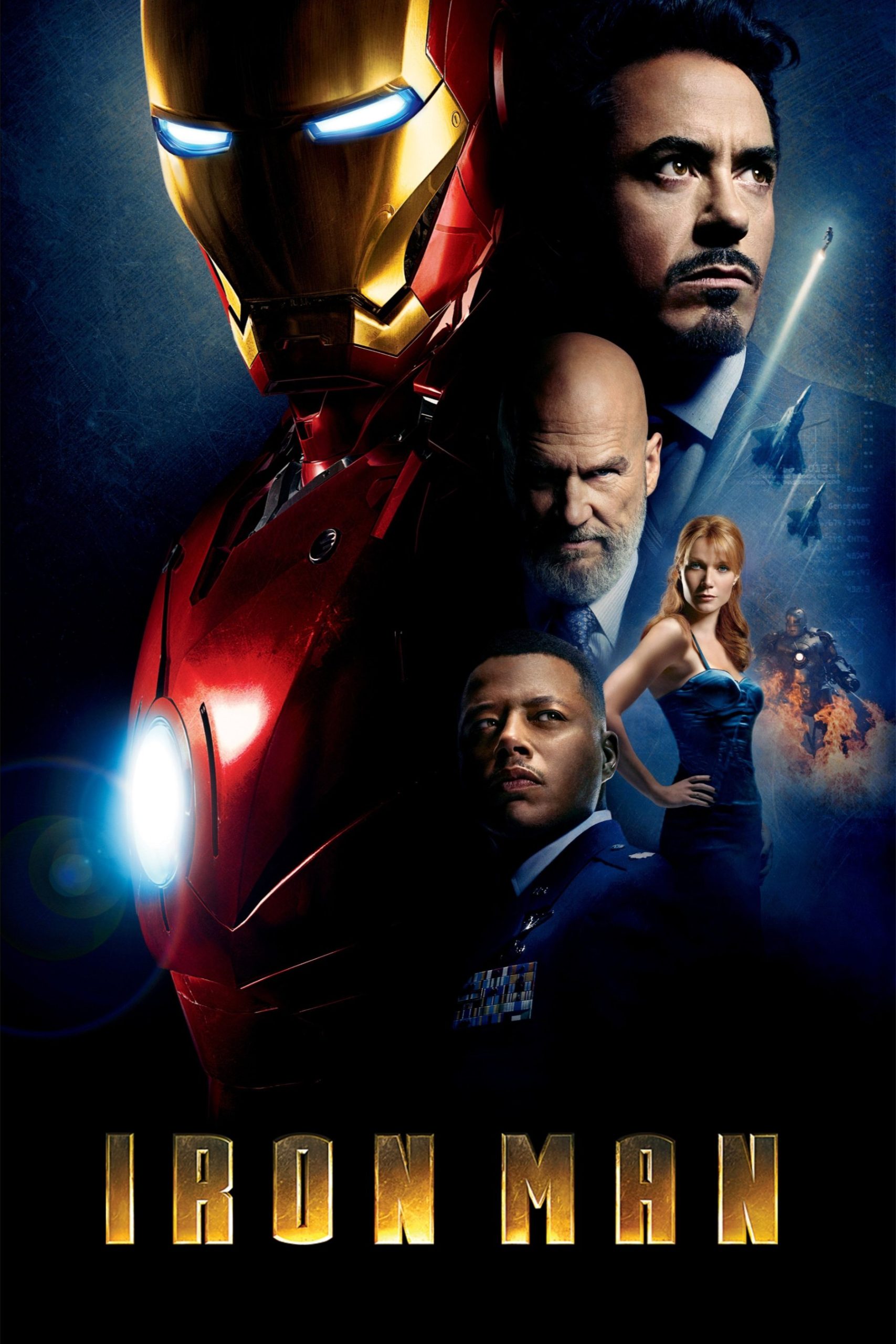
Iron Man, the 2008 film directed by Jon Favreau, struck me as a watershed—more than simple entertainment or the birth of a franchise, it signaled a radical transformation in Hollywood genre filmmaking. When I think about where Iron Man fits in the great tapestry of cinema, I see it as occupying—and catalyzing—a film movement often dubbed “the Post-Classical Superhero Cycle.” This movement, emerging in the mid-2000s, isn’t simply an outgrowth of Hollywood blockbuster production; it represents a sophisticated blending of classical hero myths with post-9/11 anxieties, cutting-edge visual effects, and a self-aware, serial narrative structure reminiscent of the Golden Age serials but thoroughly updated for the digital era.
In my eyes, Iron Man embodies this movement not just by virtue of its genre, but by adopting a tonal hybridity—oscillating effortlessly between earnestness and irony, spectacle and intimacy. It fuses the legacy of comic book films with the aesthetics of high-budget action cinema and injects a relatively grounded, human approach to character psychology. For me, that’s the essence of the Post-Classical Superhero film: it’s not just about powers and villains, but about individualism, national identity, and an almost Brechtian awareness of its own myth-making.
Historical Origins of the Movement
For me, tracing how the Post-Classical Superhero Cycle came to life is an exercise in reading both Hollywood’s business anxieties and wider social transformations. The movement’s roots entangle with the end of the Classical Hollywood era, but the soil was fertilized by several major developments: the rise of CGI, the increasing importance of ‘tentpole’ filmmaking, and the global spread of fan-centric, transmedia storytelling. I find it fascinating to trace the line from 1978’s Superman and Tim Burton’s Gothic-inflected Batman (1989), which sparked comic book loyalty, to the dawn of the 21st century, when the world seemed thirstier than ever for modern myths capable of grappling with real-world trauma and insecurity.
My studies lead me to conclude that 9/11 was a profound, catalytic event here—not simply as a cultural trauma, but as a narrative rupture. Studios suddenly wanted heroes who could deal with chaos, surveillance, militarization, and the shifting boundaries of good and evil. I can almost chart the genre’s evolution along a timeline of technological change: as digital effects matured, what was once impossible on celluloid (the organic transformation of man into Iron Man, for example) was now achievable. The movement also absorbed DNA from earlier trends: postmodern genre-mixing, the self-referentiality of New Hollywood, the franchise logic of late-century corporate entertainment, and the serial storytelling sensibilities of both comic books and television “seasons.”
But I’d argue that what really distinguishes the Post-Classical Superhero movement is how it deliberately fuses old American narratives of self-invention with fresh global anxieties. Every time I revisit Iron Man, I sense how the genre knowingly exploits—and interrogates—the audience’s hunger for someone to “fix” the broken world using tools both technological and ethical. This is not the naïve optimism of Superman, nor the gothic gloom of early Batman, but a hard-won, adult ambivalence: the recognition that the same tools that save us might also destroy us.
This Film’s Contribution to the Movement
When I first saw Iron Man, I was struck by how deftly it sidestepped the excesses and cliches of previous superhero entries. Rather than simply offer another iteration of good versus evil, Iron Man anchors its spectacle in the specific neuroses and charisma of its protagonist. Tony Stark, interpreted with twitchy, improvisational energy by Robert Downey Jr., is not simply a hero but a self-aware capitalist, an arms dealer, someone wrestling with the moral cost of his privilege and inventions. To me, that’s the pivot: Iron Man reframes the superhero as both perpetrator and redeemer, simultaneously querying the power structures that make heroism possible.
What sets Iron Man apart—and, in my opinion, makes it foundational to the movement—is how it marries the conventions of the blockbuster action film with the irreverence and texture of character-driven drama. Here is a film that, for all its technological dazzle, never loses sight of character psychology. The humor, improvisational dialogue, and refusal to sermonize lend it an agile, unpredictable energy, signaling to me that the film is not simply a storyboarded effects reel but a deliberate statement on American militarism, masculinity, and the complex dance of guilt and redemption.
Yet it is Marvel’s intricate, interconnected world-building that really cements Iron Man’s role as a movement-starter. I don’t just mean the now-legendary after-credits scene; I mean the very logic of the film’s storytelling, which presumes an ongoing world rather than a closed-off, “event” narrative. As I interpret it, Iron Man is always gesturing outward—towards other stories, other heroes—thereby aligning itself with 21st-century seriality and anticipating not just sequels but a persistent, evolving universe. I feel this formal innovation reimagined the template for blockbuster storytelling, encouraging not just repetition (as in past sequels) but expansion and intertextuality.
As a critic, I find Iron Man’s technical choices—the tactile realism of its early suit-building scenes, the mix of practical and digital effects—integral to its impact. The movement’s hallmark, for me, is this calculated realism: the suit feels like an engineering project, the world like an extension of our own. The approach grounds the superhero in plausible, near-future technology, inviting me to question just how far we are from creating such power in reality. In my view, this adaptation of science fiction’s speculative impulse to the superhero genre is a direct consequence of the Post-Classical Superhero Cycle at work.
Influence on Later Genres and Films
- Influence 1 – The “Shared Universe” Paradigm: As someone who obsesses over Hollywood strategies, I marvel at how Iron Man popularized—and legitimized—the shared cinematic universe model. Years after its release, I watch as studios across genres, from monster movies (think Godzilla vs. Kong) to horror franchises (like The Conjuring), rush to establish interconnected story worlds. The Marvel Cinematic Universe is, in my reading, less a lucky fluke and more a demonstration of how the Post-Classical Superhero Cycle’s seriality is now the norm, changing producers’ logic for decades to come.
- Influence 2 – Realism Amid Fantasy: I’ve tracked a marked shift toward blending realism with fantastical elements since Iron Man’s debut. The gritty science and real-world geopolitics of Iron Man emboldened later films—from Christopher Nolan’s The Dark Knight trilogy to The Boys on streaming platforms—to dig deeply into the sociopolitical consequences of superpowers. For me, the legacy is clear: superhero and genre films started embracing moral ambiguity, complex protagonists, and settings that echo contemporary global anxieties in ways the 1990s never dreamed possible.
- Influence 3 – Hybrid Tonalities and Performance: Reflecting on genre evolution, I’m continually struck by how Iron Man cultivated a new, breezy self-awareness—melding humor, high-stakes drama, and meta-commentary. Later Marvel films, as well as non-Marvel genre projects, lean heavily into this blend, encouraging improvisational acting and breaking strict tonal boundaries. I see this tonal hybridity echoed in everything from Deadpool’s irreverence to the emotional complexity of WandaVision. The door Iron Man helped open leads to genre films that are never quite locked into one affective register—they wink at the audience while making them care.
The Movement’s Lasting Impact
Reflecting on the afterlife of the Post-Classical Superhero Cycle, which Iron Man did so much to crystallize, I find myself pondering more than just box-office dominance. What lingers for me is the way this movement—sometimes unfairly dismissed as superficial or escapist—offered a new, flexibly modern myth-making strategy. In moments when traditional narratives of trust, power, and moral certainty feel threadbare, this movement arranges the superhero narrative not as an escape, but as a lens; it pushes audiences to reckon with surveillance, automation, privatized warfare, and personal responsibility in a technological age.
Iron Man, and the movement it both symbolizes and sparks, signifies an era when genre stopped being a rigid category and became a laboratory for hybrid forms and meanings. I’m fascinated by how the Post-Classical Superhero era, unlike its predecessors, invites fans and critics alike to debate the genre’s ethics, realism, and politics—even as they delight in the sheer kinetics of flight and firepower. The movement matters to me because it’s as much about interrogating our own world as about imagining new ones; it’s about the fantasy of transformation, yes, but also the cautionary tale embedded within.
Watching the ripples that Iron Man created, I realize that the real legacy of this movement is the permission it gave filmmakers to blend spectacle with introspection; to offer interconnected stories that mirror our own desire for connection and meaning; and to redefine heroism for a fragmented, uncertain era. This, to my mind, is why the Post-Classical Superhero Cycle continues to shape not just cinema, but contemporary storytelling itself.
To connect style and technique with broader context, you may find these perspectives useful.
🎬 Check out today's best-selling movies on Amazon!
View Deals on Amazon