
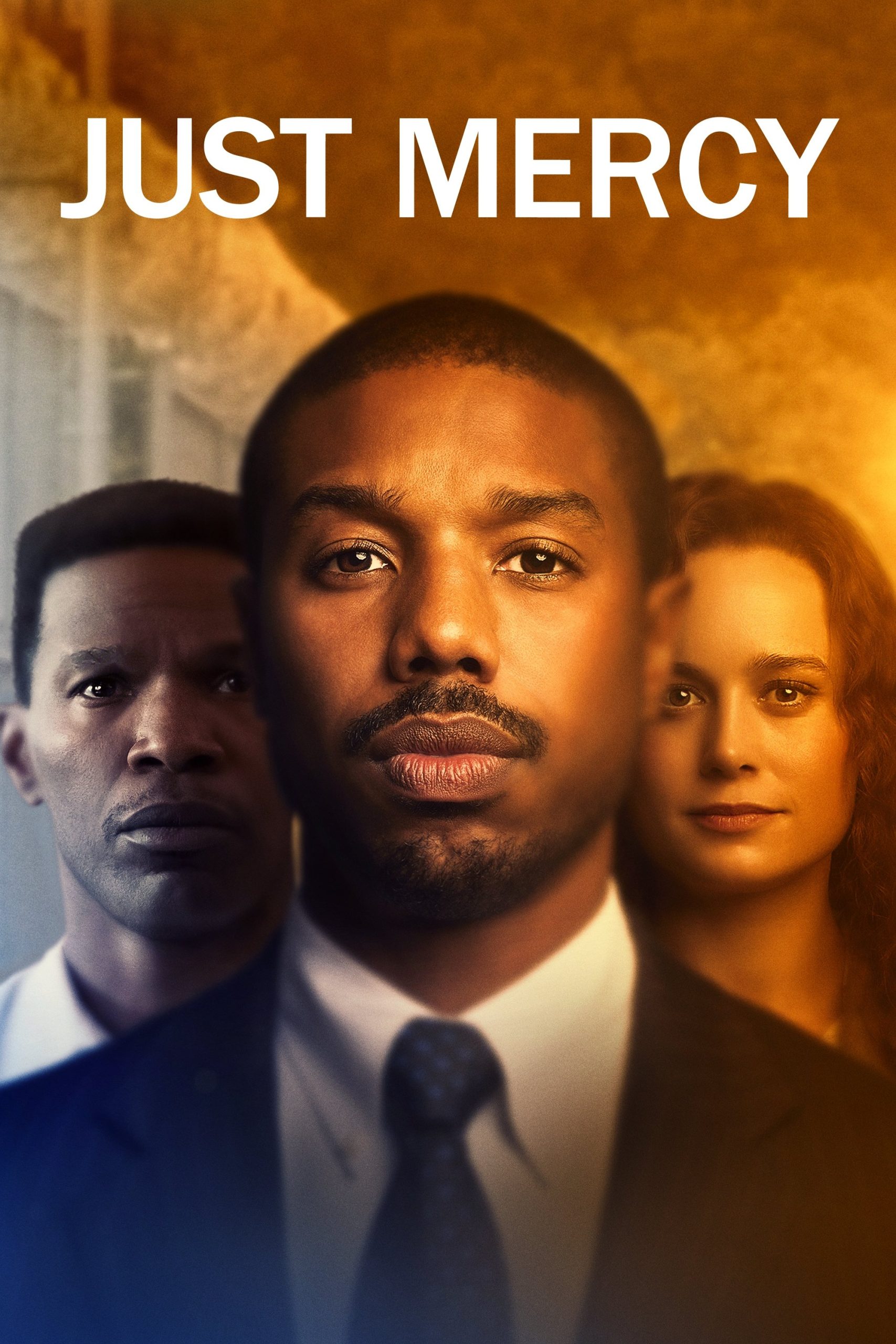
The Genre of This Film
Every time I watch “Just Mercy,” I’m struck immediately by how squarely it sits within the legal drama genre. To me, this film embodies the essential qualities of a legal drama — those stories set at the intersection of justice, morality, and law, often inside the sterile walls of courtrooms or across tense attorney-client meetings. What makes “Just Mercy” stand out is its relentless focus on the criminal justice system, not merely as a backdrop but as a living, breathing antagonist that its central figures must confront. I find myself absorbed not just by the letter of the law but by how the law is wielded, manipulated, and, at times, weaponized. For me, the core of this film’s identity isn’t only the true story it tells but the way it situates personal stakes within the broader legal machinery, which is the heart of any authentic legal drama.
Key Characteristics of the Genre
- Common themes
I always notice that legal dramas are rarely just about court cases; they’re about accountability, ethics, and the pursuit of justice. They tug at issues of power and inequality, and they challenge the moral fiber of their characters — and by extension, their audiences. I often see these films grappling with the bigger ideas: is justice the same for everyone, or is it a privilege carved out for the few? They also tend to wrestle with concepts like redemption, systemic bias, and the search for truth in environments rife with prejudice or bureaucratic inertia. - Typical visual style
From my own experiences, legal dramas lean toward functional, almost austere cinematography. I often see an emphasis on muted color palettes, practical lighting, and a visual approach that underscores seriousness and gravity. Courthouse halls are rendered in shadowy browns and grays, while attorney offices often feel impersonal, amplifying emotional distance. I appreciate how the visual style tends to avoid distraction, keeping the audience’s attention focused on dialogue, facial tension, and micro-expressions. The visuals often echo the restraint and discipline required in real legal battles. - Narrative structure
When I map out the arc of a typical legal drama, I usually find a clear, methodical structure. The plot is anchored by a central case, with stakes introduced early on, followed by the gathering of evidence, strategic maneuvering, and the build-up to a crucial courtroom showdown. I feel that these films thrive on reversals and obstacles: key witnesses falter, evidence is suppressed, and legal loopholes twist the pursuit of justice. Flashbacks or personal histories might flesh out the stakes, but the spine of the narrative is the conflict between those upholding the law and those facing its sometimes arbitrary consequences. - Character archetypes
Legal dramas draw on a cast of distinctive archetypes I’ve come to recognize: the idealistic attorney, the wrongly accused, the jaded prosecutor, the intransigent judge, and the supporting legal team. Often, there’s a mentor figure or a principled outsider challenging the status quo. What fascinates me is how these roles play off one another, highlighting contrasting values, competing ambitions, and personal costs. The genre doesn’t just invite us to root for justice; it challenges us to empathize with even its most flawed characters, prompting nuanced moral reflection.
How This Film Exemplifies the Genre
Reflecting on why “Just Mercy” resonates so deeply as a legal drama, I find its unwavering commitment to procedural realism and emotional impact particularly striking. When I first watched the film, I was amazed by how it doesn’t sensationalize the legal process or devolve into melodrama. Instead, it confronts the grinding, often dehumanizing realities of death row and the painstaking, thankless work required to overturn a wrongful conviction. I’m consistently pulled into the tension of the investigation — long interviews, combing through musty files, delicate conversations with traumatized witnesses — all illustrated with an authenticity that feels hard-won. Every challenge thrown at Bryan Stevenson and Walter McMillian feels organic to the genre: not manufactured for dramatic effect, but a reflection of the very systems that legal dramas are meant to critique.
It’s the character work that hooks me most. Bryan Stevenson is, in my eyes, the quintessential idealistic attorney archetype — focused, compassionate, and unyielding in the face of seemingly insurmountable odds. I relate to his combination of intellectual rigor and moral clarity, which the genre demands from its leads. Walter McMillian, unfairly cast as the defendant, becomes more than a plot device; through his vulnerability and resilience, I see how the wrongly accused archetype functions not just to elicit sympathy but to put a human face to abstract arguments about justice and fairness. When I examine these character dynamics, I see the genre’s fingerprints all over the narrative framework.
I’m always struck by how the film handles tension, not just in the climactic courtroom moments but in the banality of small-town interactions, racist undertones, and procedural hurdles. The courtroom becomes a crucible for ethical debate and emotional release. I find myself leaning forward whenever a new revelation risks tipping the balance: a lost witness, a coerced confession, a stubborn official, or a procedural technicality. Each beat lands with gravity because the film has invested so much in the legal scaffolding and the human stakes. That intermingling of legal detail and emotional catharsis is, to me, the unmistakable hallmark of a great legal drama.
Other Essential Films in This Genre
- “A Few Good Men” (1992) – I often revisit this energetic showdown between military lawyers as an example of a legal drama that thrives on the interplay between ethics and duty. Its cross-examinations and famous climactic confrontation (“You can’t handle the truth!”) represent the electrifying power struggles that define the genre. It perfectly encapsulates how truth becomes weaponized within judicial proceedings.
- “Philadelphia” (1993) – Whenever I think of how a legal drama can confront social issues by taking them to court, this film springs to mind. It deftly weaves together legal maneuvering with pressing questions about prejudice and public perception. Watching the delicate relationship between Tom Hanks’ and Denzel Washington’s characters provides me with a template for how personal transformation can emerge from the adversarial legal process.
- “Anatomy of a Murder” (1959) – This classic has always struck me for its willingness to wade into shades of moral gray. With its procedural authenticity and nuanced cross-examination scenes, I consider it a prototype for the legal genre — showing how ambiguity and human frailty can persist even when the facts appear settled.
- “The Verdict” (1982) – In this film, I see the genre’s fixation on redemption and personal reckoning. Watching Paul Newman’s character transform from a defeated alcoholic to a crusading advocate reminds me of how the legal drama finds its emotional power in the journey toward reclaiming one’s integrity in the face of systemic rot.
Why This Genre Continues to Endure
As someone perpetually drawn to narratives that balance intellectual rigor with emotional intensity, legal dramas remain an irresistible genre for me. I believe their longevity is tied to how they reflect our most urgent societal questions back at us, often in ways that encourage participation and debate. I rarely leave a legal drama without pondering my own convictions on justice, fairness, and the role of institutions in shaping lives. For me, the unresolved questions and ethical quandaries fuel ongoing curiosity; there’s always another perspective, another strategy, or another legal labyrinth to explore.
I think audiences gravitate to this genre because it promises clarity amid chaos. The genre gives structure to real world messes, distilling the emotional confusion of injustice into arguments, testimony, and rulings. I personally find comfort in the intellectual chess match of the courtroom and the emotional payoffs when the powerless finally find their voice. It’s a narrative space where reason must wrestle with empathy, and victory — if it comes — often feels simultaneously triumphant and hard-won. Because these stories hinge on deeply human stakes and often true-life events, I suspect they will always have a place in cinema, igniting our imaginations and reminding us why justice, in every form, is a fight worth watching unfold.
If you’re interested in how viewers respond beyond technique, you may want to explore audience and critical reception.
🎬 Check out today's best-selling movies on Amazon!
View Deals on Amazon