
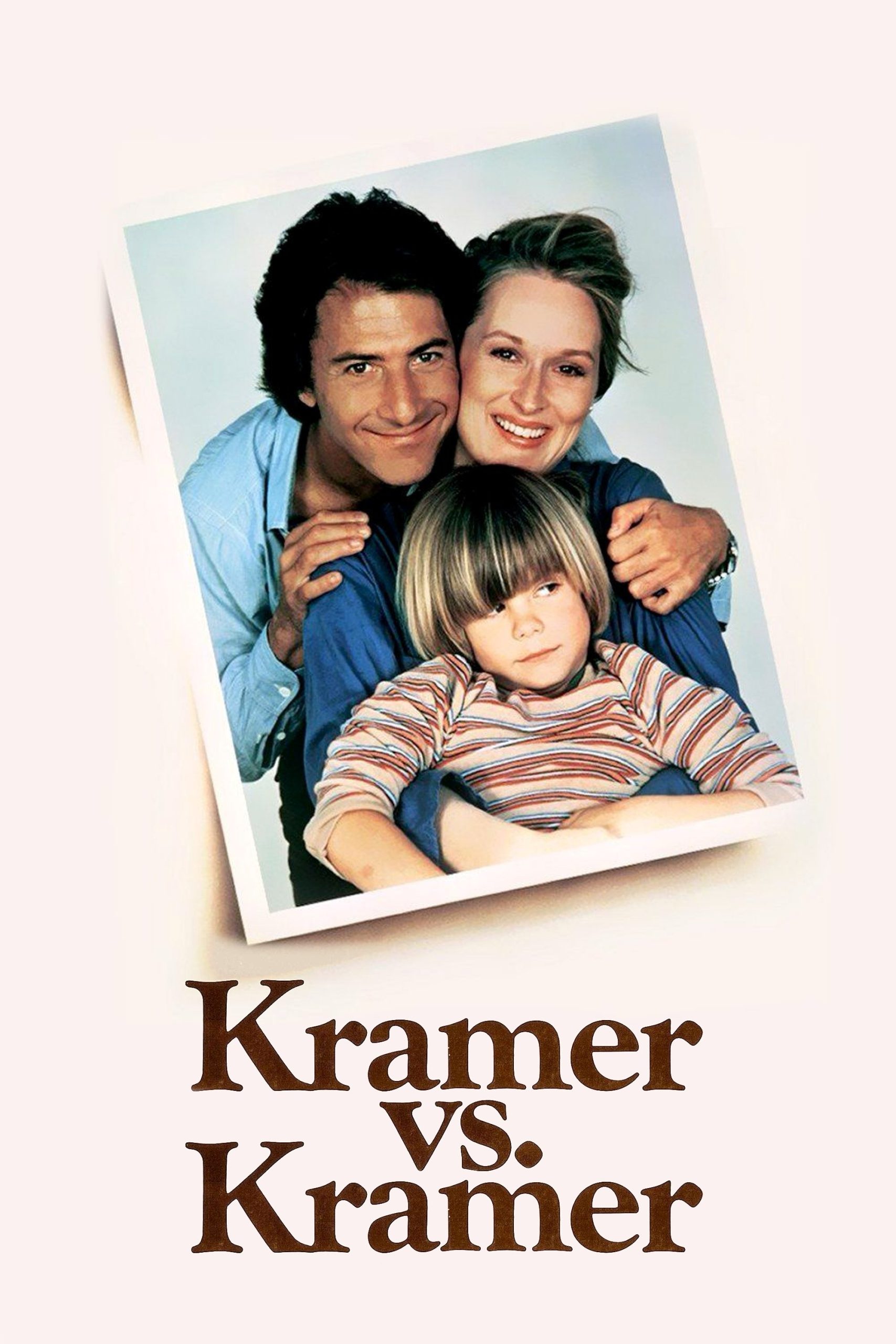
Film Movement Context
When I first encountered Kramer vs. Kramer, the film’s raw emotional immediacy struck me as distinct from the glossy dramas Hollywood often produces. The film doesn’t hide behind melodrama or sentimentality. Instead, I believe it belongs squarely within the American New Hollywood movement, with strong roots in the burgeoning tradition of realist domestic drama that defined late 1970s cinema. In my own critical lexicon, New Hollywood isn’t about special effects or fantastical narratives. It’s about stripping away artificiality and getting at the heart of lived experience—the messy, conflicted realities of American life in transition. Kramer vs. Kramer manifests these tendencies, aligning itself with New Hollywood’s appetite for social realism, complex characters, and moral ambiguity. For me, it stands as a key example of this era’s willingness to let unresolved questions linger, evoking the unsettled mood of its time.
Historical Origins of the Movement
I often reflect on how New Hollywood emerged not merely out of some artistic necessity, but also as a direct consequence of upheaval: cultural, industrial, and political. Studios in the late 1960s were floundering, the old formulas for both spectacle and comedy no longer drawing audiences disillusioned by Vietnam, Watergate, and the countercultural revolution. Young, ambitious filmmakers—many influenced by European auteurs—found themselves given unprecedented creative freedoms simply because there was little to lose. I see the movement’s inception as a melting pot of influences: the frankness of Italian neorealism, the psychological probing of French New Wave, and the urban authenticity of British kitchen sink drama. Yet what set New Hollywood apart for me was its distinctly American restlessness; these films were unafraid to probe suburbia, familial collapse, and the battered mythos of the American Dream.
Personal narratives began to eclipse the mythic heroics that had dominated Hollywood’s past. Something I find both fascinating and moving is the way these directors foregrounded internal struggle—divorce, gender roles, alienation—by adopting both visual and narrative techniques that eschewed easy answers. Their stories are suffused with gritty realism: I recall the handheld camerawork, the unvarnished performances, and above all, the sense there’s no recourse to fantasy, just an invitation to reckon with reality as it is. In this climate, a film like Kramer vs. Kramer could ask questions most mainstream features avoided, particularly about masculinity, parenthood, and the shifting landscape of post-1960s America.
This Film’s Contribution to the Movement
Witnessing Kramer vs. Kramer for the first time, I was acutely aware of how it typified and advanced New Hollywood’s preoccupations. The film dives headfirst into domestic upheaval without apology. What always stands out to me is how director Robert Benton refuses to side neatly with either parent, or even to uphold the sanctity of the nuclear family. This is a film where the act of living—exhaustingly, vulnerably—takes precedence over classical arcs or redemption. The camera lingers on small gestures: a hesitant embrace, a botched attempt at French toast, the awkward silences between father and son. These moments resonate as utterly authentic, reminding me just how much artifice mainstream cinema had previously brought to portrayals of family life.
The historical context is inseparable from the film’s emotional register. I watch Ted Kramer (Dustin Hoffman) stumble through the dissolution of his marriage and the demands of unexpected single fatherhood, and I see a larger generational reckoning. Kramer vs. Kramer asks not simply “what happens to families in crisis?,” but “how do people reinvent themselves, often unwillingly, in the aftermath of profound personal and social change?” For me, its daring lies in refusing to cast villains. Joanna (Meryl Streep) is not the antagonist—she’s a woman grasping for agency at a time when traditional gender roles are dissolving. The film doesn’t lecture; it lays bare the confusion that comes with forging identity amid upheaval, both for men forced into nurturing roles and for women battling constrictive expectations.
If I single out why this matters in the context of film movements, it’s because Kramer vs. Kramer both builds on and gently subverts the conventions of New Hollywood itself. Realism here isn’t just visual—it’s deeply psychological. The film’s structure mimics life’s unpredictability; motivations and loyalties shift, legal proceedings don’t provide closure, and relationships remain forever altered rather than conveniently resolved. In doing so, the film aligns with and extends the New Hollywood ethos: a commitment to ask questions whose answers remain unsettlingly open-ended.
Its very subject—divorce and custody—was nearly taboo in mainstream cinema prior to this era. Watching the scenes of father and son learning, awkwardly and sometimes painfully, to function as a unit, I feel the film’s patience as a quiet act of rebellion. It trusts the audience to read between the lines, to recognize the everyday heroism and defeat inherent in modern parenting. It also expects viewers to accept ambiguity, exposing the limitations of both law and love in healing broken bonds. By marrying documentary-like observational style with a refusal to pass moral judgment, Kramer vs. Kramer exemplifies the best of New Hollywood’s ambitions and points toward more personal, intimate genres to come.
Influence on Later Genres and Films
- Influence 1 – The Rebirth of Domestic Realism. In my view, the most lasting impact of Kramer vs. Kramer is the license it gave to later directors to mine family life for drama without succumbing to sentimentality or resorting to clear villains. Films such as Ordinary People and, much later, Noah Baumbach’s The Squid and the Whale owe a direct debt to its honest, raw depictions of daily life disrupted by divorce and loss. The “kitchen sink” is no longer British property; an American strain of domestic realism finds its footing here. It’s not just what happens in the courtroom, but in the kitchen, the playground, the quiet moments after the argument. I see in these films a willingness to sit with discomfort, to let silences speak as loudly as dialogue, all rooted in the template Kramer vs. Kramer helped define.
- Influence 2 – Shifting Representations of Masculinity. Experiencing this film in the larger sequence of cinematic history, I’ve noticed how it upended generational assumptions about fathers and male vulnerability. The film’s narrative challenged the reigning notions that childcare and emotional openness were antithetical to masculinity. In so doing, it opened the door for a wave of later films and television—think About a Boy, Parenthood, or even the sincerity of Good Will Hunting—to explore paternal growth and emotional evolution. This willingness to center male protagonists in emotionally fraught, nurturing roles simply did not exist in Hollywood’s earlier gaze. Watching today’s nuanced portrayals of fatherhood, I am always reminded of the ground broken by Kramer vs. Kramer.
- Influence 3 – The Rise of Ethical Ambiguity in Courtroom Dramas. I’ve always found legal drama in American film to be susceptible to easy moralizing. Kramer vs. Kramer rejects that; its custody battle becomes a crucible for ambiguity. It seeded a new kind of genre-mashup: part courtroom drama, part intimate character study. Both Philadelphia and Marriage Story pick up its thread—eschewing black-and-white judgements in favor of a truth that is messy, contingent, and human. The film set a precedent, I think, for locating legal battles not just in high-stakes criminality but in the everyday trials that shape ordinary lives. Here, justice and love are not always on the same side, and it’s this discomfiting complexity that later works continue to explore.
The Movement’s Lasting Impact
There are moments when I notice how much the landscape of American filmmaking still reflects the aftershocks of New Hollywood and the honest subjectivity of films like Kramer vs. Kramer. What I find enduring is the movement’s refusal to tidy up life for its audience. This isn’t cynicism—it’s respect for the integrity of human experience. The New Hollywood directors, with their documentary impulses and hunger for personal stories, succeeded in folding complexity and contradiction into the DNA of American cinema. I see their legacy not just in the themes contemporary filmmakers are drawn to, but also in the techniques they use: handheld cameras, overlapping dialogue, a fascination with the unspectacular moment of crisis.
When I think about Kramer vs. Kramer in this context, I’m convinced that its lasting importance lies in its willingness to dwell within the everyday radical—fathers changing, women leaving, children questioning. It doesn’t prescribe solutions or guide us to catharsis; instead, it invites us to remain unsettled, to see ourselves in the struggle. For me, this is where the real revolution of New Hollywood lies: the pivot away from fantasy and wish fulfillment, toward stories that breathe, contradict, and endure. The movement matters because it democratized not just whose stories get told, but how those stories might be rendered—raw, unresolved, and achingly true. And in doing so, it cleared space for the vast, ever-evolving diversity of voices and genres that still shape cinema today.
To connect style and technique with broader context, you may find these perspectives useful.
🎬 Check out today's best-selling movies on Amazon!
View Deals on Amazon