
Film Movement Context
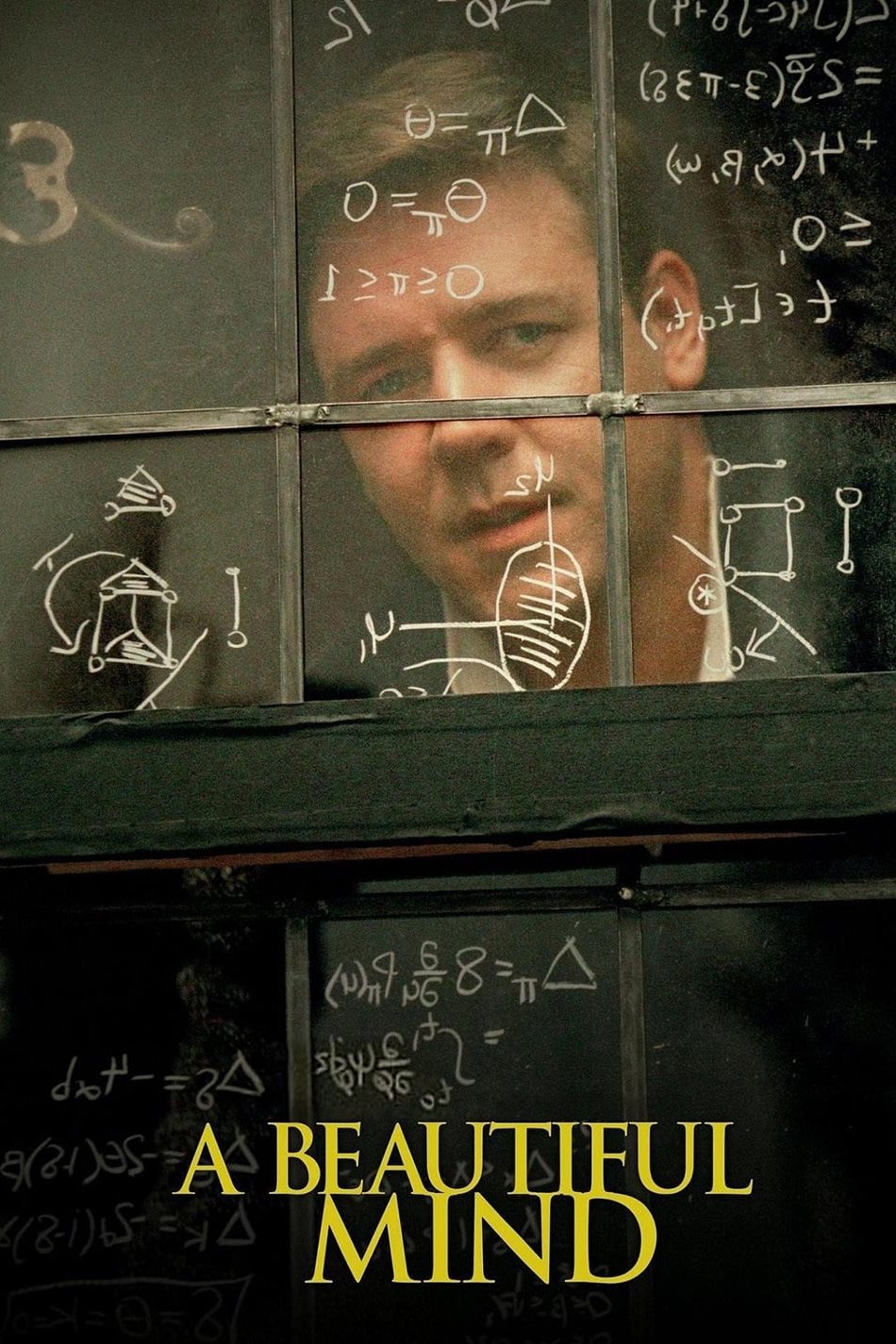
“A Beautiful Mind” (2001), directed by Ron Howard, occupies a significant position within the tradition of the American biographical drama and, more specifically, belongs to the late 20th-century resurgence of psychologically introspective biopics. This movement, while not as narrowly defined or doctrinal as earlier European avant-garde film movements, nonetheless reflects a concrete set of aesthetic strategies, narrative conventions, and ideological concerns. Emerging in the closing decades of the 20th century, this movement saw a shift away from idealized or hagiographic accounts of historical figures, gravitating instead toward nuanced, deeply subjective depictions that emphasize interior psychological experience. “A Beautiful Mind” is emblematic of this orientation, blending traits from classical Hollywood storytelling with motifs associated with psychological realism and, at times, formal experimentation reflective of postmodern biographical cinema. At its core, the film participates in and exemplifies a movement toward integrating complex psychological subjectivity within popular biographical narrative frameworks, an approach that reshapes both the genre’s conventions and the viewer’s empathetic engagement with historical subjects.
Historical Origins of the Movement
The roots of the psychologically introspective biographical film can be traced back to evolving attitudes in both cinema and society regarding the construction of identity and the interpretation of mental illness. In the mid-20th century, American biographical films (biopics) traditionally celebrated the heroic or redeeming qualities of their protagonists, frequently sidelining personal doubts, inconsistencies, or psychological struggles in favor of narrative clarity and moral uplift. However, several historical and cultural shifts led to a reconceptualization of the genre.
The 1960s and 1970s marked major transformations in filmic representation, influenced by the Nouvelle Vague, New Hollywood, and the general turn toward subjectivity, ambiguity, and reflexivity in global cinema. Experimental films, social movements, and changes in psychiatric discourse contributed to a more nuanced understanding of mental illness and identity. By the late 1980s and into the 1990s, biopics increasingly foregrounded private suffering, inner turmoil, and the complexities of mental health. Filmmakers began exploring not just the public achievements but also the internal and psychological landscapes of their subjects.
Films such as “Raging Bull” (1980), “Amadeus” (1984), and later “Shine” (1996) began to merge sophisticated psychological inquiry with narrative cinema, challenging viewers to consider how genius, trauma, and illness intersect. This period also saw greater attention to cinematic form as a means of expressing subjectivity—using unreliable narration, hallucinations, and alternative visual textures. By the 1990s and early 2000s, American cinema had standardized the psychological biopic as a prominent genre, one capable of interrogating mythologies of genius, success, and the American Dream. “A Beautiful Mind” emerges from this lineage, cementing the mainstream acceptance and commercial viability of biographical films constructed around psychological complexity.
This Film’s Contribution to the Movement
“A Beautiful Mind” represents a paradigmatic example of the psychologically introspective biopic, and its formal and narrative choices both reinforce and advance the movement’s ambitions. The film distinguishes itself by its commitment to exploring the inner life of its central figure, the mathematician John Nash, not merely as a biographical subject but as an entry point into the lived realities of mental illness and cognitive dissonance.
One of the most significant contributions of “A Beautiful Mind” lies in its cinematic depiction of schizophrenia. Rather than presenting Nash’s delusions as external or simply described phenomena, the film immerses the viewer in his subjective reality, employing a suite of cinematic techniques—unreliable narration, point-of-view shots, and subtle manipulations of visual and auditory cues—to render the experience of psychosis both palpable and disorienting. By delaying the revelation that certain characters and events are products of Nash’s mind, the film implicates the viewer in his confusion, fostering empathy while asking critical questions about the nature of selfhood, agency, and reality.
Narratively, the film refuses to reduce Nash’s identity to either his genius or his struggle, instead exploring the dialectic between creative brilliance and psychological vulnerability. This approach marks a departure from earlier biopics which frequently dichotomized achievement and pathology. Moreover, the film subtly interrogates traditional models of masculinity and heroism, recasting its subject’s journey as one not of triumphant victory but of lifelong negotiation with vulnerability and dependency.
Aesthetically, “A Beautiful Mind” contributes to the movement by integrating Hollywood production values—classical narrative structure, emotive scoring, and star-driven performances—with cinematic techniques derived from art cinema and psychological thrillers. This fusion enabled wider audiences to access a narrative that is both accessible and formally sophisticated, broadening the reach of the psychological biopic. The film’s commercial and critical success confirmed the viability of this approach, shaping industry practices and expectations for subsequent works.
Influence on Later Genres and Films
- Influence 1 – Normalization of Subjective Reality in Mainstream Biopics: “A Beautiful Mind” helped normalize the use of unreliable narration and subjective point-of-view storytelling in mainstream films about real people. Subsequent biopics and dramas increasingly adopted similar strategies to place viewers within the experiential world of their protagonists, as seen in films like “The Theory of Everything” (2014) and “The Imitation Game” (2014), both of which foreground interior states, selective memory, and partial truths over rigid historical realism.
- Influence 2 – Greater Cinematic Engagement with Mental Health: By foregrounding the painful but humanizing aspects of mental illness, the film encouraged a wave of more sensitive and multifaceted cinematic representations of mental health conditions. Later works, such as “Silver Linings Playbook” (2012), “Black Swan” (2010), and even television series like “Mr. Robot” (2015–2019), drew on the empathetic and immersive strategies popularized by “A Beautiful Mind” to explore how perception, cognition, and identity can be shaped—and destabilized—by psychological disorders.
- Influence 3 – Hybridization of Genre Conventions: “A Beautiful Mind” demonstrated the power of blending genres—drawing on conventions from thrillers, mysteries, and melodramas within the ostensibly factual framework of a biographical drama. This approach loosened the formal and thematic boundaries of biopics and inspired future filmmakers to experiment with cross-genre techniques. The result has been a proliferation of films that adapt classical biography to include elements of suspense, psychological intrigue, and narrative ambiguity, thus enriching the genre’s available expressive palette.
The Movement’s Lasting Impact
The psychologically introspective biopic movement, as crystallized by works like “A Beautiful Mind,” continues to reverberate through contemporary cinema. Its lasting significance resides in the way it reshapes our relationship to narrative, subjectivity, and historical truth. By elevating subjective experience and embracing the ambiguities of memory, trauma, and perception, the movement challenges audiences to empathize with people whose realities may diverge fundamentally from their own. This not only de-stigmatizes mental illness by humanizing those who endure it but also complicates simplistic narratives of genius, success, and heroism.
Moreover, the movement’s integration of art cinema techniques into mainstream storytelling has expanded the formal possibilities of biographical film, opening space for innovation, self-reflexivity, and emotional complexity. Filmmakers are now free to interrogate the limits of objectivity while preserving the affective and narrative immediacy of popular cinema. By foregrounding questions of identity, agency, and truth, the movement continues to influence how stories are told—not only about singular historical figures, but about the endless variability of the human condition itself.
Ultimately, the psychologically introspective biopic remains vital because it bridges the gap between the collective desire for inspiring stories and the necessity of confronting the messy, uncertain realities of actual lives. It matters because it holds open a space in cinema for both empathy and critical reflection—inviting audiences not merely to witness but to experience, question, and understand the intricate interplay between mind, narrative, and history.