
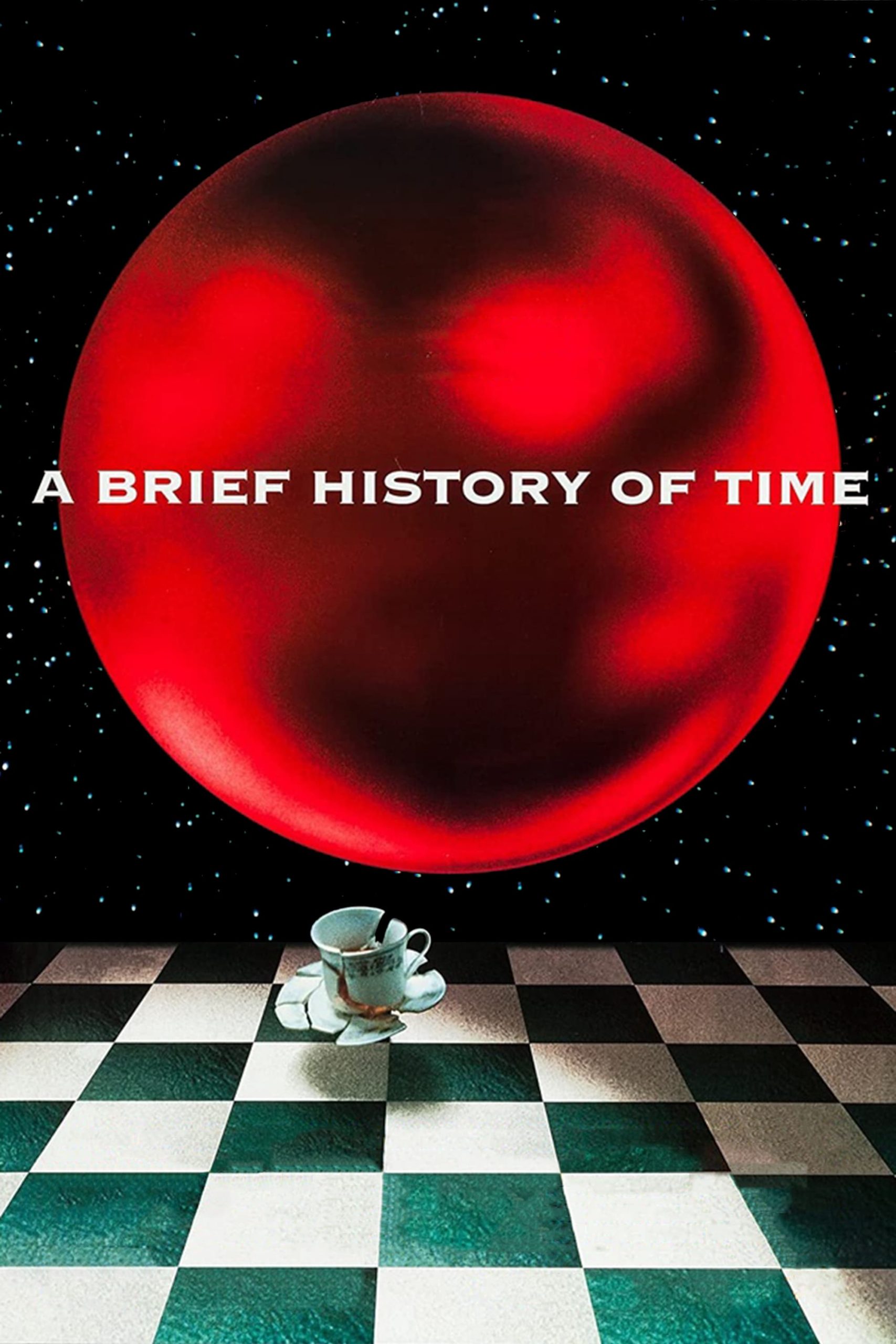
The Genre of This Film
A Brief History of Time (1991) belongs primarily to the documentary genre, and more specifically, the scientific documentary subgenre. The film thoroughly explores the remarkable life and scientific achievements of physicist Stephen Hawking, blending personal biography with deep explanations of complex scientific concepts. Director Errol Morris employs both interviews and illustrative imagery to create a nonfiction work whose chief aim is to educate and inform audiences, hallmarks of the documentary form. This film exemplifies the scientific documentary by presenting factual material, employing real-life testimony, and relying on documentary conventions such as expert interviews and archival material.
Key Characteristics of the Genre
- Common themes
- The pursuit of truth and the dissemination of factual information.
- An emphasis on real-world subjects, often focusing on important individuals, scientific discoveries, social issues, or historical events.
- The exploration of human achievement, intellectual inquiry, and the process of scientific discovery.
- Efforts to inspire curiosity and foster critical thinking in audiences.
- The depiction of real lives, events, and concepts with an educational or investigative intent.
- Typical visual style
- Frequent use of actual footage, archival materials, and primary sources such as photographs, documents, newsreels, and home videos.
- Interviews with real people, including experts, participants, or witnesses—often conducted in realistic settings or with minimal staging.
- Incorporation of narration, whether voice-over or direct address to the camera, helping to guide viewers through complex material.
- Illustrative graphics, animations, or re-enactments to make abstract or technical concepts accessible and engaging.
- Generally subdued or neutral cinematography meant to emphasize clarity and authenticity rather than stylized visual effects.
- Narrative structure
- A progression based on real events, research findings, or the evolution of an idea, as opposed to fictionalized storytelling.
- Chronological or thematic organization, often employing a logical sequence that builds understanding for the viewer.
- In scientific documentaries, structure frequently alternates between the subject’s personal journey and the unfolding of scientific principles or discoveries.
- Interwoven segments of explanation, demonstration, and testimony rather than scripted dramatic arcs.
- Resolution is commonly found in the synthesis of knowledge or the presentation of new perspectives rather than traditional narrative “closure.”
- Character archetypes
- The expert or authority figure—such as scientists, historians, or other specialists providing insight and analysis.
- The subject—often the main focus of biographical or scientific documentaries, whose life and work frame the film’s investigation.
- The witness or participant—someone personally connected to the events or concepts under discussion, providing first-hand perspectives or testimonies.
- The narrator or filmmaker—sometimes present, guiding viewers through complex material and offering interpretive context.
- In biographical documentaries, family members, colleagues, or associates, who add dimension to the personal and professional portrait of the subject.
How This Film Exemplifies the Genre
A Brief History of Time clearly demonstrates the essential traits of the scientific documentary genre through its rigorous factual approach and its commitment to making advanced topics comprehensible for a wide audience. The documentary unfolds both as a portrait of Stephen Hawking’s life and as an accessible overview of modern cosmology. This dual focus is achieved through a thoughtful blend of direct interviews with Hawking, his family, and colleagues, as well as detailed explanations of scientific concepts.
The film’s structure pivots between Hawking’s personal journey—from his early years and academic challenges to his emergence as a world-renowned physicist—and detailed visualizations of topics such as black holes, the Big Bang, and the nature of time itself. Rather than using fictional elements or dramatic embellishments, the documentary relies entirely on carefully crafted interviews, archival imagery, and explanatory visual aids such as graphics or animations. These methods are hallmarks of the genre, ensuring that the viewer’s attention remains focused on real people, real events, and real ideas.
Character archetypes are distinctly evident: Hawking is both the subject and an expert voice; his peers and family serve as witnesses and context-givers; and director Errol Morris adopts the role of an unobtrusive guide, weaving together multiple lines of inquiry. The narrative is governed by logical sequence, building from Hawking’s origins toward his major scientific achievements and the broader implications of his work. In doing so, the film reflects the documentary’s primary objective: the communication of knowledge through real-world observation, testimony, and analysis.
Other Essential Films in This Genre
- Cosmos: A Personal Voyage (1980) – Written and presented by Carl Sagan, this influential television documentary series exemplifies the scientific documentary by covering the history of the universe, the development of life, and the importance of scientific curiosity. Its sweeping visual style and clear, accessible explanations set the template for future science-themed documentaries.
- The Fog of War: Eleven Lessons from the Life of Robert S. McNamara (2003) – Directed by Errol Morris, like A Brief History of Time, this Oscar-winning film uses in-depth interviews, archival footage, and visual aids to explore the life of former U.S. Secretary of Defense Robert McNamara and the complexities of 20th-century history. It exemplifies how the documentary genre can combine biography and intellectual exploration.
- An Inconvenient Truth (2006) – This environmental documentary presents former U.S. Vice President Al Gore as both expert and advocate, using scientific data, graphics, and autobiographical context to illuminate the dangers of climate change. Like other scientific documentaries, its style is factual, educative, and oriented towards raising public awareness about real-world issues.
- Particle Fever (2013) – This documentary offers a behind-the-scenes look at the scientists involved in the Large Hadron Collider project. It closely follows real-life figures as they pursue groundbreaking discoveries in physics, using interviews, direct observation, and explanatory animation to guide audiences through complex scientific territory.
Why This Genre Continues to Endure
The documentary genre remains relevant and popular because it answers the fundamental human desire to know, understand, and connect with the world. Audiences seek stories grounded in truth, whether those stories document individual lives of accomplishment, scientific breakthroughs, historical events, or pressing social issues. Scientific documentaries in particular hold lasting appeal for their capacity to make intricate topics understandable and meaningful, empowering viewers with new knowledge and encouraging curiosity.
In an age characterized by rapid scientific and technological change, audiences depend on documentaries to provide reliable information and contextual analysis. The genre’s combination of expert testimony, real-life footage, and carefully structured explanations creates trust and emotional engagement in equal measure. Furthermore, the documentary format adapts well to technological advances, incorporating new methods of visualization—such as computer animation and data-driven graphics—that make complex phenomena more accessible than ever before.
Ultimately, the persistent success of the documentary genre—and the scientific documentary in particular—rests on its dedication to authenticity, clarity, and relevance. By connecting viewers with real people, real discoveries, and real ideas, these films foster both intellectual growth and a deeper appreciation for the pursuit of truth in all areas of life.