
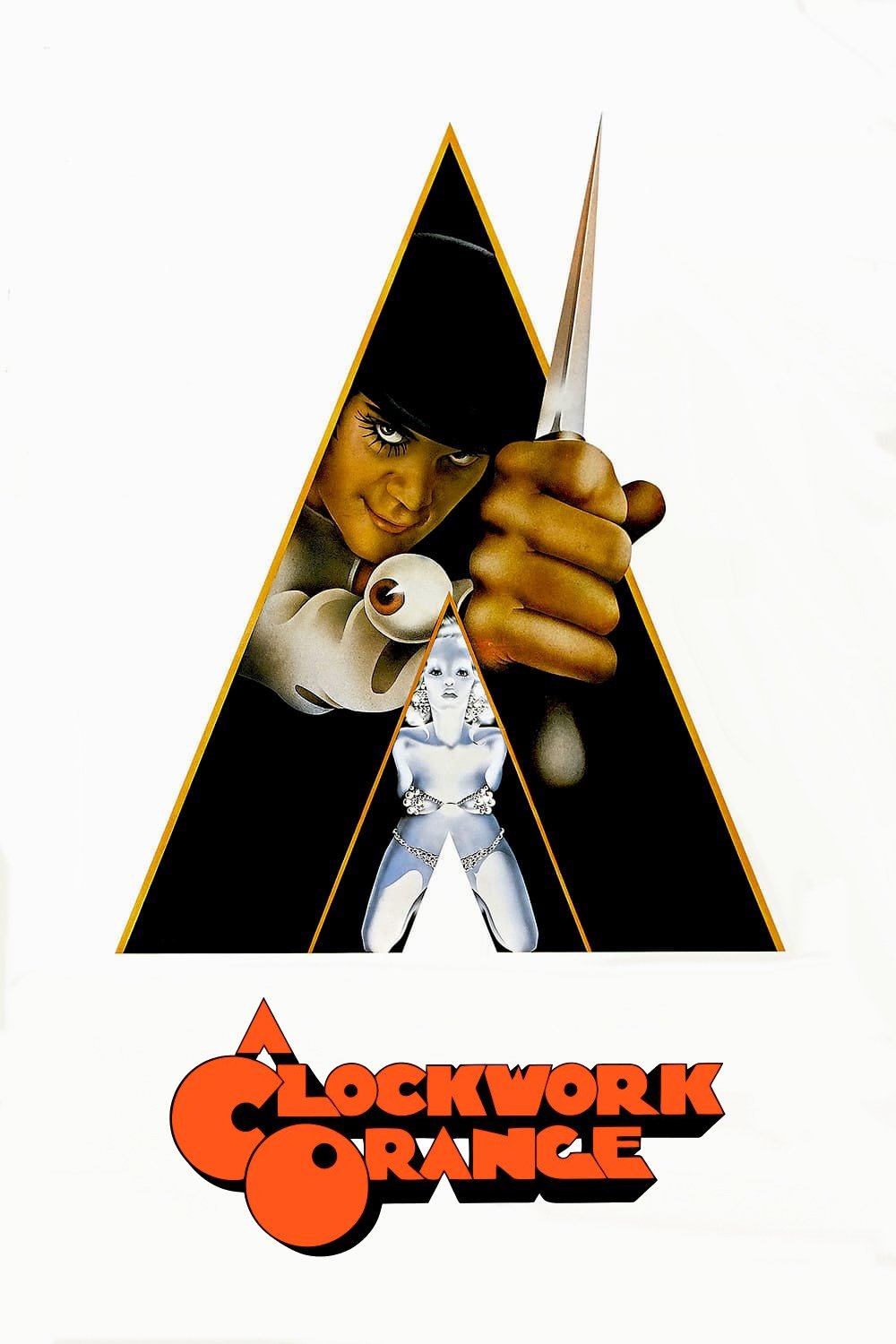
The Genre of This Film
The primary genre of A Clockwork Orange (1971) is dystopian science fiction. While the film contains elements of crime, drama, and satire, it fundamentally operates within the dystopian sci-fi framework. The setting presents a speculative, troubled future in which state power, individual agency, and social breakdown are central concerns. This is reinforced by its focus on a not-so-distant world that exaggerates social issues through speculative fiction techniques. The film explores the conceivable consequences of dehumanization, manipulation, and authoritarian control, which are hallmarks of dystopian science fiction. Stanley Kubrick’s adaptation amplifies these genre qualities, embedding the narrative in a highly controlled, surreal vision of the near future.
Key Characteristics of the Genre
-
Common themes
Dystopian science fiction regularly explores themes such as governmental or institutional control, free will versus state-enforced conformity, the loss or degradation of individual rights, social and moral decay, and the ethical dangers of technological advancement. It frequently delves into concepts of human nature under stress, identity loss, and the clash between personal freedom and societal order. This genre often acts as a cautionary examination of contemporary trends extrapolated into a grim or unsettling possible future. -
Typical visual style
Visually, dystopian science fiction is characterized by stark, often uncomfortable aesthetics. These may include high-contrast lighting, unsettling color palettes, geometric or brutalist architecture, and surreal set designs that exaggerate social alienation or control. Costume and set details emphasize a world that is both familiar and distinctly altered—futuristic yet deteriorated, polished yet oppressive. There is commonly a juxtaposition of artificiality and decay, using the environment to mirror thematic unease. -
Narrative structure
The narrative arc in dystopian science fiction typically follows an individual or small group resisting or navigating a repressive, systemic force. The protagonist’s journey exposes the nature of the regime or system—frequently through conflict, punishment, or attempted reform. These stories are often structured to highlight the tension between personal agency and totalitarian control, with plot developments that force characters to confront or succumb to these forces. Conclusions in these narratives may be ambiguous or bleak, serving as a reflection or warning rather than providing closure. -
Character archetypes
Key archetypes include the rebel or anti-hero protagonist, often a person at odds with the central authority or social order. There may be state representatives or authoritarian figures as antagonists, zealots of the established regime. The victim/subject archetype is another staple—a character transformed or brutalized by state mechanisms or technology. Occasionally, there may also be enablers, bystanders, or fellow dissenters, each representing different responses to coercion. The absence of traditional “heroes” is common; instead, flawed, complex figures dominate—the genre thrives on moral ambiguity.
How This Film Exemplifies the Genre
A Clockwork Orange distinctly showcases the hallmarks of dystopian science fiction in several key ways. The film’s setting—a decaying, yet highly controlled future Britain—offers a bleak vision of society, filled with both advanced and crumbling elements. This environment reinforces the genre’s characteristic juxtaposition of order and chaos. The narrative pivots on the experience of Alex, a charismatic but violent youth who becomes subject to state rehabilitation via the Ludovico Technique—a fictional psychological conditioning experiment.
The film’s dominant themes emerge unmistakably: the conflict between free will and authoritarian control, the ethics of behavioral modification, and the ambiguous morality of both the individual and the state. The forced “reformation” of Alex through technological intervention embodies the genre’s preoccupation with the ethical dangers of using science and psychology for social control. The resulting loss of agency and identity spotlights the human cost of imposing artificial order.
Visually, Kubrick leverages the genre’s staples with clinical, stylized precision. The architecture features exaggerated, unwelcoming forms—from stark public housing blocs to baroque, disorienting interiors. Color palettes swing between cold, antiseptic whites and garish, saturated tones, heightening both the artificiality and the menace of the world. The infamous Korova Milkbar and government facilities are rendered in a way that makes them simultaneously familiar and alien—a visual reflection of the film’s thematic unease.
The narrative structure positions Alex as a hybrid anti-hero and victim, charting his violent excesses, capture, and subsequent reprogramming. The film aligns viewers with his perspective, only to challenge their sympathies by exposing the brutality inherent in both crime and its supposed cure. This complex journey follows the standard genre arc of confronting state power, highlighting the erosion of personal morality within corrupted institutions. The resolution is deliberately unsettling, maintaining the dystopian tradition of ambiguity rather than resolution.
Character archetypes are boldly rendered. Alex is the unpredictable rebel, his “droogs” represent youthful lawlessness, while government ministers and scientists embody impersonal, authoritarian zeal. There are enablers and victims throughout, deepening the representation of a fractured, morally ambiguous society. The lack of conventional heroes or saviors fits squarely within the dystopian genre’s preference for ambiguity and critique over optimism.
Other Essential Films in This Genre
- 1984 (1984) – Based on George Orwell’s novel, this film presents a totalitarian superstate where surveillance, language control, and psychological repression dominate every aspect of life. Its bleak depiction of control and the obliteration of individual will are canonical elements of dystopian science fiction.
- Blade Runner (1982) – Set in a technologically advanced but morally and environmentally degraded Los Angeles, this film explores identity, artificial life, and the breakdown of societal norms. Through its neo-noir aesthetic and existential questions, it testifies to the genre’s blend of speculative technology and social critique.
- Brazil (1985) – This film, renowned for its dark humor and surreal design, explores the crushing absurdities of bureaucratic totalitarianism. Its protagonist’s futile struggle against state machinery is emblematic of the dystopian genre’s emphasis on individual vulnerability amid overwhelming systemic power.
- Children of Men (2006) – Depicting a near-future world wracked by infertility and authoritarianism, this film investigates hope, resistance, and survival in the face of profound societal dissolution. Its immersive realism and intense focus on human despair and resilience are quintessential to dystopian sci-fi.
Why This Genre Continues to Endure
Dystopian science fiction maintains its enduring relevance because it provides a potent lens for examining present anxieties and societal tendencies. The genre’s speculative nature enables filmmakers and audiences to extrapolate contemporary issues—such as surveillance, loss of privacy, governmental overreach, and the ethical repercussions of technology—into extreme yet plausible scenarios. This allows for critical engagement with uncomfortable possibilities in a way that resonates across generations. Dystopian films challenge viewers to confront the implications of their own values and behaviors, making the warnings embedded within the genre perpetually pertinent.
Additionally, the genre’s flexible aesthetic and narrative structures allow it to evolve alongside societal and technological changes. As each era faces new questions about authority, identity, and morality, dystopian science fiction adapts to remain a vehicle for cautionary storytelling. Audiences respond to its compelling what-if scenarios, identifying both with rebellious protagonists and with the oppressive systems they challenge. The tension between hope and despair, freedom and control, ensures the genre remains dramatically rich and endlessly relevant.
Ultimately, dystopian science fiction’s capacity to blend speculative imagination with social critique provides viewers not just with entertainment, but also with a mirror—one that reflects the deep-rooted complexities and uncertainties of human society. The genre’s provocative questions and challenging environments guarantee its ongoing influence within both cinema and popular culture.