
Film Movement Context
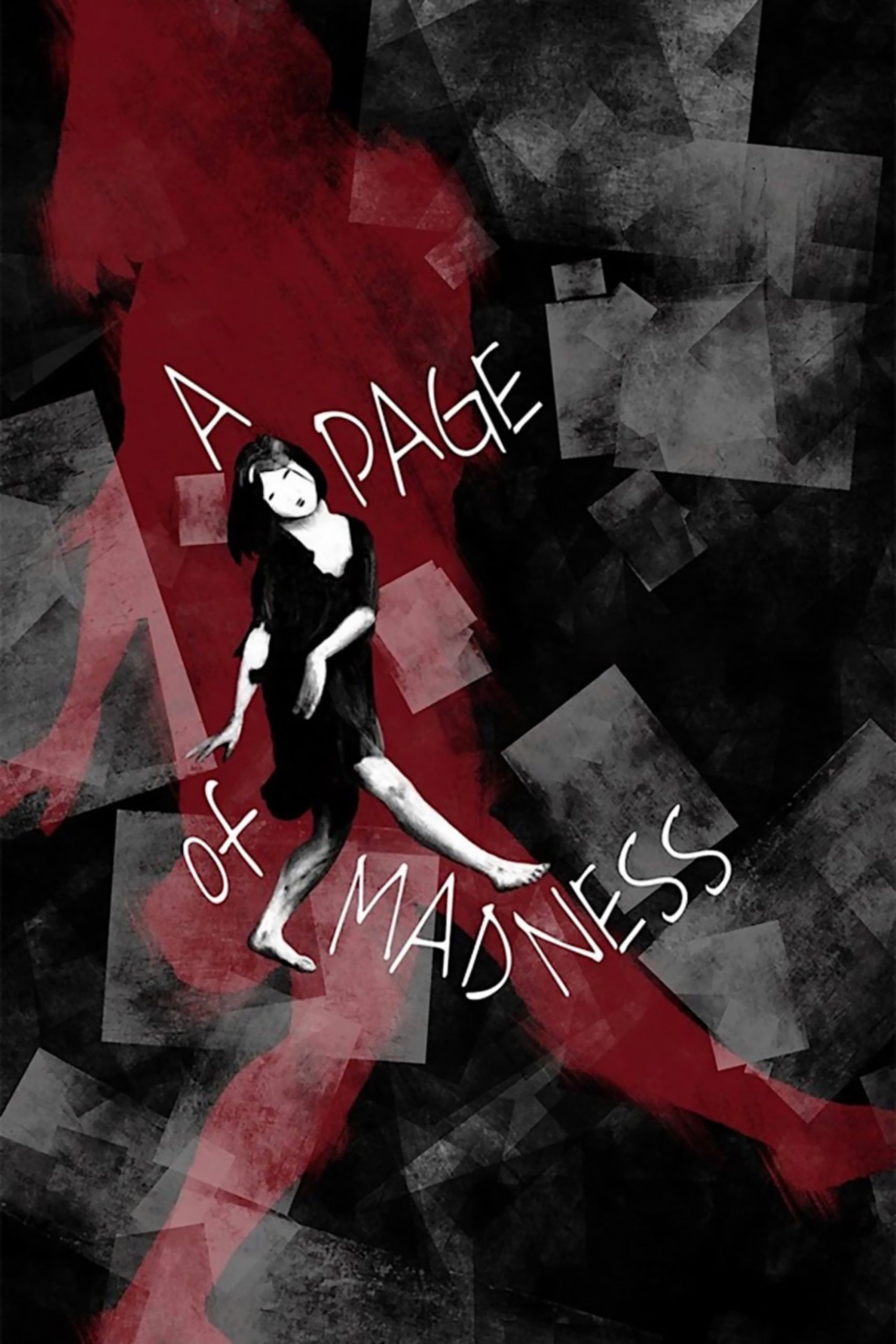
“A Page of Madness” (1926), directed by Teinosuke Kinugasa, is most closely associated with the Japanese avant-garde and, more specifically, the Shinkankakuha film movement, known in English as the “School of New Perceptions.” This movement, active in the 1920s, was characterized by a push toward experimental, psychological, and visually disorienting cinema, standing distinct from commercial narrative traditions dominant in both Japanese and Western filmmaking of the era. Kinugasa’s film adopts radical techniques and eschews conventional storytelling, aligning it with broader global currents of cinematic modernism, such as German Expressionism and French Impressionism, while retaining distinctly Japanese aesthetic foundations. Thus, “A Page of Madness” not only participates in but also helps define a movement that championed subjectivity, abstraction, and cinematic innovation.
Historical Origins of the Movement
The Shinkankakuha movement germinated in early twentieth-century Japan during a period of rapid industrialization and cultural exchange. As Western art and technology became increasingly influential, a generation of Japanese artists and writers sought to redefine artistic perception and experience in both literature and film. This avant-garde ethos, rooted in the literary work of the Shinkankakuha writers, sought to break with didactic realism and embrace new modes of subjective representation. Influenced also by European movements—such as German Expressionism, which championed emotional intensity through distorted visuals, and French Impressionism, with its interest in psychological perspective—Japanese filmmakers began to adopt and adapt these approaches to address anxieties and transformations within Japanese society itself.
By the 1920s, this ferment gave rise to experimental film collectives challenging the inherited conventions of kabuki-influenced cinema and the classical narrative structures imported from the West. “A Page of Madness” was among the key products of this climate, emerging from a cohort of independently minded artists determined to push cinema beyond linear storytelling, realistic settings, and naturalistic performances. Instead, they foregrounded the medium’s possibilities for expressing interior states, dreams, hallucinations, and collective unease, often through montage, nonlinear editing, and visual abstraction. This movement was not merely an aesthetic shift but also an artistic response to the pressures of modernity, urbanization, and evolving concepts of identity within Japan.
This Film’s Contribution to the Movement
“A Page of Madness” is emblematic of the Shinkankakuha movement’s most daring ambitions. The film departs radically from narrative clarity, presenting the story of a janitor in a mental asylum through a labyrinthine sequence of impressions, hallucinations, and disjointed realities. Kinugasa, together with screenwriter Yasunari Kawabata (later a Nobel laureate), utilizes a plethora of experimental techniques: frenetic cross-cutting, extreme camera angles, double exposure, and rapid montage. These choices render the film’s psychological landscape both immersive and unsettling, drawing viewers into the protagonist’s disturbed mental state rather than offering an outside-in view.
Unique among Japanese films of the silent era, “A Page of Madness” dispensed even with intertitles, relying instead on pure imagery and rhythm to unfold its meaning. This deliberate opacity challenges traditional audience expectations and foregrounds the experiential, expressive potential of cinema. The film’s design—particularly its use of distorted visuals and claustrophobic settings—reflects a synthesis of modernist experimentation prevalent in Europe while reinterpreting these innovations within the context of Japanese culture and its shifting social anxieties. Its influence was not immediate, partly due to limited domestic distribution and long periods of the film considered lost, but upon its rediscovery its reputation as a high-water mark of cinematic avant-garde became secure. Thus, “A Page of Madness” not only illustrates Shinkankakuha’s principles but crystallizes its commitment to cinema as a medium of psychological exploration and aesthetic invention.
Influence on Later Genres and Films
- Experimental and Art House Cinema – The film’s disregard for linear narrative and its emphasis on sensory experience paved the way for later developments in experimental and art house filmmaking, both in Japan and internationally. Directors such as Hiroshi Teshigahara (“The Face of Another”) and Shuji Terayama (“Throw Away Your Books, Rally in the Streets”) drew upon its formal boldness, further cultivating a tradition of personal, visually adventurous cinema that eschews mainstream conventions. Outside Japan, filmmakers like Maya Deren and Andrei Tarkovsky would likewise embrace similar principles in their explorations of subjective reality.
- Psychological Horror and Surrealism – “A Page of Madness” had a particular resonance for subsequent psychological horror and surrealist films. Its unsettling depiction of madness, conveyed not through explicit frights but through atmosphere, fractured editing, and dreamlike imagery, became a touchstone for Japanese horror auteurs—including Masaki Kobayashi (“Kwaidan”) and Kiyoshi Kurosawa (“Cure”)—as well as for global filmmakers exploring psychological torment and perception. The lack of clear narrative boundaries or reliance on the uncanny also anticipated approaches later seen in the work of Luis Buñuel and David Lynch, whose films blend reality and hallucination in similarly disorienting ways.
- Visual Storytelling and Montage – Kinugasa’s innovative use of montage editing, abstract visuals, and non-verbal storytelling techniques anticipated and influenced subsequent generations of filmmakers interested in the pure visual language of cinema. His methods echoed in the later Japanese New Wave—directors such as Nagisa Oshima and Seijun Suzuki would make use of daring camera work and disruptive editing to convey psychological and societal turmoil. Internationally, techniques reminiscent of “A Page of Madness” found echoes in the disjunctive editing of Alain Resnais and the visual abstraction of Stan Brakhage, underlining its impact on the global history of visual storytelling.
The Movement’s Lasting Impact
The Shinkankakuha movement, exemplified by “A Page of Madness,” continues to hold vital significance in cinema history for its audacious reimagining of what film can be. Its core pursuit—liberating cinema from the confines of literary narrative and conventional realism—opened pathways for the exploration of subjectivity, perception, and internal conflict that remain central to both experimental and popular filmmaking. Importantly, its willingness to court ambiguity and discomfort challenged audiences to engage with film as a medium of psychological and aesthetic discovery, rather than mere entertainment or storytelling.
Even as most mainstream cinema continues to privilege clear narrative and audience accessibility, the daring innovations introduced by the Shinkankakuha persist—not just as formal devices but as philosophical orientations toward film itself. Modern directors who prioritize mood, atmosphere, and character psychology often draw inspiration from these early experiments, even if indirectly. The movement also endures institutionally, influencing both film education and the programming of art house cinemas and retrospectives. In essence, the legacy of “A Page of Madness” and its movement is one of continued provocation and inspiration, reminding filmmakers and viewers alike of the possibilities contained in moving images unconstrained by tradition or expectation.