
The Genre of This Film
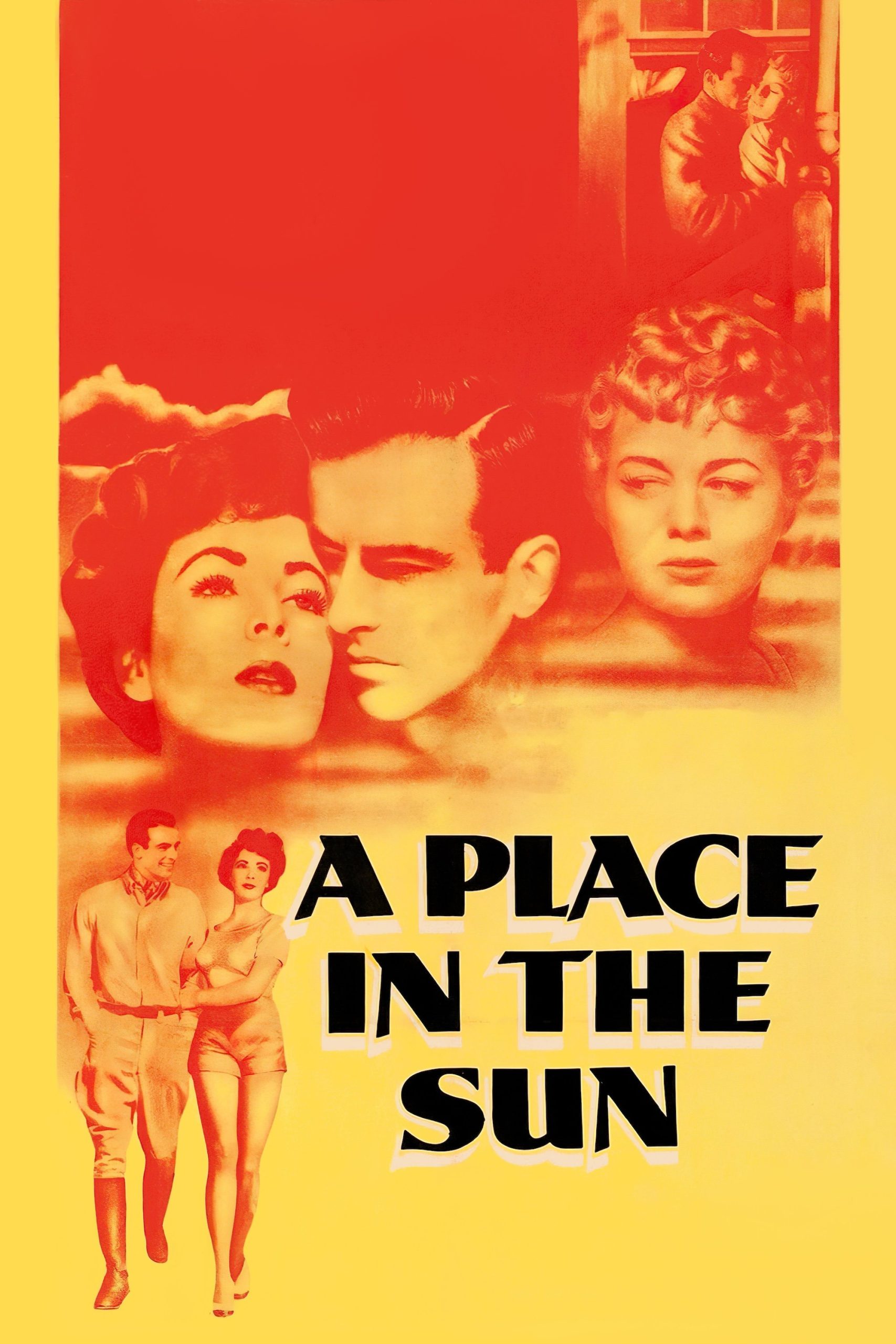
A Place in the Sun (1951) is primarily classified as a film noir-infused romantic drama. This film occupies a distinct space where the classic melodrama intersects with the darker, psychologically complex territory of film noir. The story’s intense emotional focus, combined with a morally ambiguous central conflict and striking visual atmosphere, places it squarely within the romantic drama genre, featuring significant noir sensibilities. The movie revolves around themes of ambition, desire, social class, and tragic love, with a mood underscored by suspense and fatalism—elements central to both romantic drama and film noir traditions.
Key Characteristics of the Genre
- Common themes
Romantic drama—especially when tinged with film noir—involves emotionally charged explorations of love, desire, jealousy, betrayal, and the struggle between aspiration and reality. Stories commonly address forbidden love, the influence of societal pressures, and tragic fate. In the film noir context, motifs such as doomed relationships, moral ambiguity, disillusionment, and social mobility appear frequently. These themes are often heightened by an atmosphere of tension and a sense of impending tragedy. - Typical visual style
Romantic dramas utilize expressive lighting, rich contrasts, and careful composition to create a heightened emotional resonance. When the genre merges with film noir, visual conventions include stark black-and-white cinematography, deep shadows, oblique angles, and atmospheric use of light to generate suspense and emotional intensity. The mise-en-scène often employs reflective or confining locations—such as cramped rooms or rain-soaked streets—to reinforce psychological and social themes. Costume and set design also reflect character aspirations or internal conflicts. - Narrative structure
The narrative arc typically follows a protagonist caught between conflicting emotions or loyalties, often involving a pivotal romantic relationship and broader personal ambitions. The structure is usually linear but intensifies as characters face mounting dilemmas and consequences. In both classic romantic drama and film noir, the climax is driven by moral choices and psychological tension, leading to a resolution that is frequently bittersweet or tragic, rather than conventionally happy. - Character archetypes
Central characters include the conflicted protagonist—often an outsider striving for something just out of reach—and a romantic interest who embodies both hope and risk. Romantic dramas frequently depict social climbers or dreamers, while noir elements may introduce the femme fatale, the naïve love interest, or the dangerous rival. Supporting roles include figures representing authority, family expectations, or societal barriers. These archetypes are often portrayed with emotional complexity, highlighting inner turmoil as they navigate fraught personal and social landscapes.
How This Film Exemplifies the Genre
A Place in the Sun is a quintessential example of a romantic drama deeply influenced by film noir, effectively fusing both genres’ definitive characteristics. The film orbits the aspirations and dilemmas of George Eastman, whose climb up the social ladder is complicated by a passionate, ultimately ill-fated love affair. This narrative tension addresses core romantic drama themes—ambition, love, and the consequences of forbidden desire—while also steeping the story in noir’s fatalistic atmosphere.
Visually, the film employs dramatic contrasts and meticulously staged compositions. Cinematographers use shadow to underscore psychological stress and emotional isolation, particularly during moments of crisis. The interplay of luxury and poverty in set and costume design underscores the collision of social classes and personal hopes, reinforcing the genre’s focus on emotional stakes amplified by external constraints.
The movie’s linear progression traces the protagonist’s journey from hopeful yearning to moral collapse, a structural hallmark of romantic drama intensified by the inexorability common to film noir. At the center stand rich character archetypes: Eastman as the conflicted dreamer, Angela Vickers as the luminous love interest representing hope and unattainable desire, and Alice Tripp as the vulnerable, tragically abandoned figure who propels the film’s central moral conflict. Each character is embedded within a tapestry of social and psychological influences that drive the story to its tragic, emotionally resonant conclusion.
A Place in the Sun’s blending of emotional intensity, visual style, and narrative fatalism typifies the romantic drama genre—especially where it overlaps with film noir conventions—making it not just a key film of its type, but also a lasting template for stories where love and ambition meet irreversible consequences.
Other Essential Films in This Genre
- Now, Voyager (1942) – This romantic drama charts the emotional transformation of an insecure woman who finds love and self-worth, facing social constraints along her journey. The film is celebrated for its lush cinematography, focus on inner conflict, and exploration of forbidden romance, all staple traits of the genre.
- Brief Encounter (1945) – Centering on a fleeting, passionate affair between a housewife and a married doctor, this film exemplifies romantic drama through its portrayal of suppressed desire and societal expectations. Its understated visual style and heartfelt narration encapsulate the painful beauty of unattainable love.
- Double Indemnity (1944) – While best known as a noir, this film also belongs to the romantic drama tradition, depicting a doomed liaison between an insurance salesman and a femme fatale. Its shadowy cinematography, moral ambiguity, and focus on illicit romance highlight the crossover between the two genres.
- Letter from an Unknown Woman (1948) – This deeply emotional romantic drama revolves around unrequited love and memory, delivering a poignant narrative through evocative visuals and rich characterization. Its blend of longing, fate, and tragedy align with many of the conventions seen in A Place in the Sun.
Why This Genre Continues to Endure
Romantic drama, especially when wrapped in the stylistic and narrative complexities of film noir, continues to captivate audiences because it resonates with deeply human experiences: the pursuit of love, the desire for social acceptance, and the confrontation with one’s own values when faced with difficult choices. The genre’s exploration of ambition, sacrifice, and emotional turmoil remains timeless, as viewers recognize parts of themselves in the flawed yet sympathetic characters navigating uncertain worlds.
The signature visual storytelling—characterized by expressive lighting, atmospheric settings, and powerful close-ups—immerses audiences in the internal and external battles at play. These stylistic choices not only heighten tension but also draw viewers into the characters’ emotional landscapes, making their struggles and heartbreaks feel immediate and compelling.
Moreover, the romantic drama’s willingness to embrace ambiguity and tragedy instead of neat resolutions gives its stories a lasting relevance. Such narratives allow for reflection on moral gray areas and life’s unpredictability, appealing to contemporary audiences who value psychological realism and depth. Ultimately, the enduring popularity of the genre lies in its ability to merge universal feelings with evocative visuals and complex storytelling, ensuring continued engagement and emotional impact across generations.