
Film Movement Context
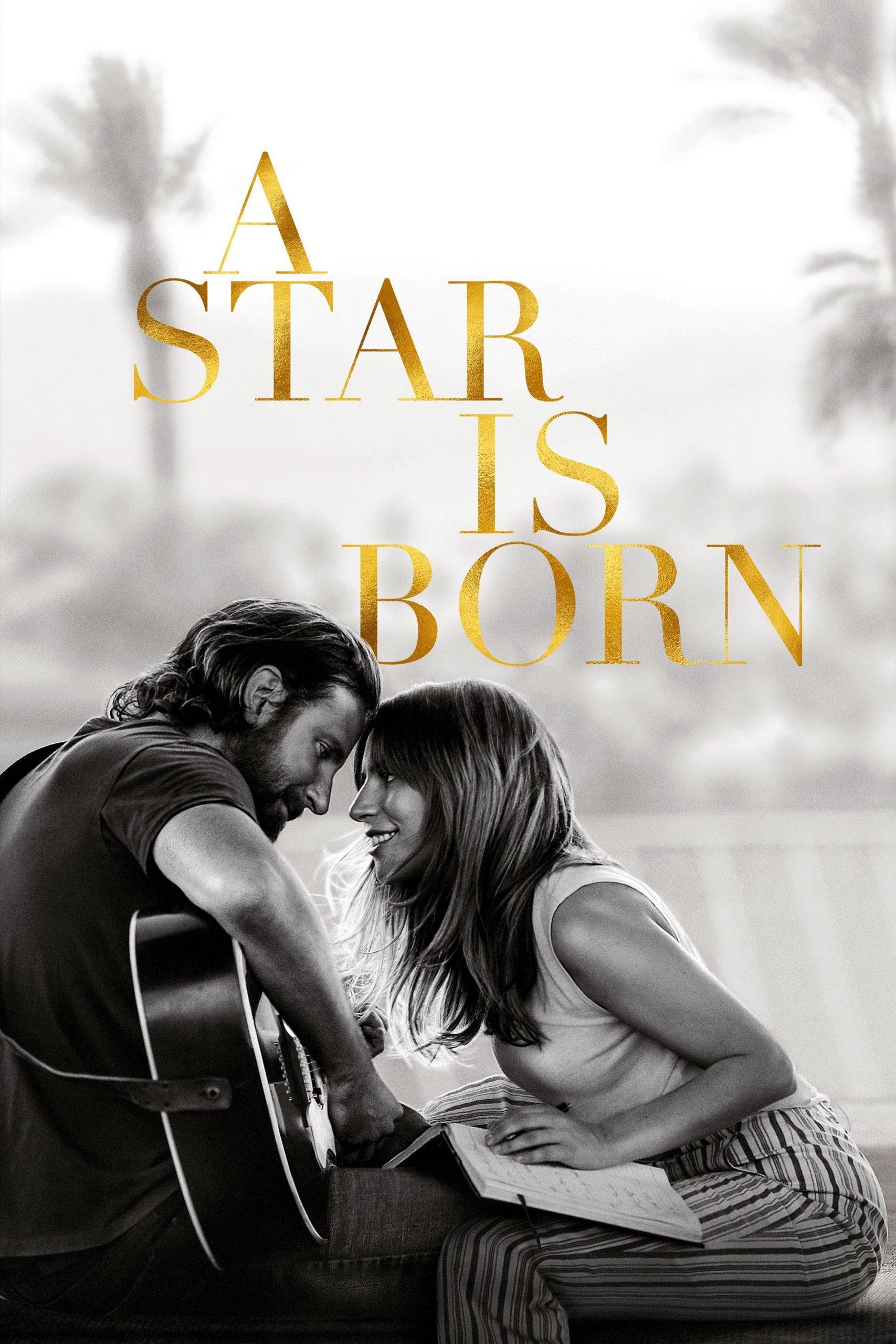
“A Star Is Born” (2018), directed by Bradley Cooper and starring Lady Gaga and Cooper himself, is situated at the intersection of two enduring film movements: the Hollywood Classical Musical and the Modern American Melodrama. While the film overtly claims lineage from the musical tradition—given its centrality of performance, songwriting, and spectacle—it also participates in the ongoing evolution of melodrama, especially as refracted through the lens of contemporary auteurist and independent filmmaking sensibilities. Not a product of a defined avant-garde or formalist movement, “A Star Is Born” nevertheless finds its footing within the modern revival and transformation of the musical genre, part of a broader resurgence in interest in music-driven narratives and character-centered storytelling in mainstream American cinema. It thus belongs to the neo-musical movement of the 21st century, a tendency marked by films like “La La Land” (2016) and “Once” (2007), which adapt classical conventions to more intimate, psychologically nuanced, and visually realist modes of expression.
Historical Origins of the Movement
The Hollywood musical, one of the core genres descended from early sound cinema, emerged towards the end of the 1920s as synchronized sound technology revolutionized filmmaking. Early musicals like “The Jazz Singer” (1927) responded directly to audiences’ fascination with sound, rapidly becoming a dominant Hollywood form in the 1930s and 1940s. This era was defined by lavish studio productions, elaborate choreography, and larger-than-life star personas, with examples including “42nd Street” (1933), “Top Hat” (1935), and “Singin’ in the Rain” (1952). The musical was both an escapist response to socio-economic uncertainty (notably, the Great Depression and WWII) and a showcase for technical innovation and performer virtuosity.
In the postwar period, the musical adapted to shifting cultural contexts, with the genre’s conventions gradually transformed by the influence of melodrama—an adjacent tradition devoted to intense emotion, social friction, and psychological motivation—as well as by realism, new performance styles, and emerging auteurist voices. The genre waned by the 1970s, in part due to changing audience tastes and the countercultural movement, but musical storytelling persisted, especially in the revisionist mode, as seen in films such as “Cabaret” (1972) and “New York, New York” (1977). The late 20th and early 21st centuries saw a renewed creative engagement with the musical, both in stylized pastiche and in more grounded, authentic iterations. This neo-musical movement—of which “A Star Is Born” is a significant recent representative—centers intimacy, embraces naturalistic aesthetics, and dramatizes the tension between personal aspiration and collective spectacle.
This Film’s Contribution to the Movement
As a modern iteration of both the Hollywood musical and American melodrama, “A Star Is Born” demonstrates a significant evolution of genre conventions and film movement principles. Unlike the studio-era musicals, where performance was typically framed as either a break from or an enhancement of narrative, Cooper’s take embeds musical performance into the very core of its characters’ lived experiences. Diegetic musical numbers—the characters write, rehearse, and perform their songs on stage or in private—establish credibility and emotional authenticity, situating the drama within everyday environments rather than heightened fantasy.
The film further advances the movement by foregrounding vulnerable, often raw emotional states. Instead of polished archetypes, it presents protagonists in the midst of psychological turmoil, addiction, and transformation. This approach draws clear lines of continuity with melodrama’s interest in interior experience and societal estrangement, but infuses these themes with the modal realism of 21st-century cinema. Sequences are shot with a handheld camera and naturalistic lighting, emphasizing documentary immediacy and personal immersion—techniques emblematic of the neo-musical’s commitment to authenticity.
Narratively, “A Star Is Born” reinvents a foundational Hollywood myth: the cyclical tale of aspiration, fame, and loss. Its choice to remake a narrative that has already seen three major film versions (1937, 1954, 1976) is itself reflective of postmodern tendencies in the neo-musical movement, signaling a self-conscious engagement with film history. However, the 2018 version distinguishes itself through its contemporary sensibility: its musical numbers blend country, rock, and pop, reflecting the hybridization of genres prevalent in modern popular music. Lady Gaga’s own star persona as both a pop icon and a dramatic actor blurs further boundaries, foregrounding performative identity as a thematic concern. The film’s empathetic attention to mental health struggles, addiction, and the pitfalls of the entertainment industry further ground its melodrama within cultural realities often skirted by classic musicals.
Influence on Later Genres and Films
- Influence 1 – Reinvigorating Realism in the Musical Form: The success and critical acclaim of “A Star Is Born” popularized a mode of musical filmmaking that privileges diegetic performance, psychological realism, and plausible character development over spectacle and fantasy. Subsequent films such as “Wild Rose” (2018) and “Tick, Tick… Boom!” (2021) have adopted this aesthetic approach, prioritizing intimate storylines and naturalistic portrayals of artists struggling within and against the pressures of the industries they inhabit. This movement away from stylized, choreographed numbers toward more grounded, emotionally direct filmmaking has broadened the musical’s appeal to newer, more diverse audiences.
- Influence 2 – Hybridization of Melodrama and Musical Genres: “A Star Is Born” exemplifies the effective merging of melodramatic narrative structures—rooted in intense personal struggle, tragic romance, and societal critique—with the conventions of the musical. This hybrid model has influenced a new cycle of films and limited series that span both genres, including “Sound of Metal” (2019) and the series “Daisy Jones & The Six” (2023). These works reflect the trend of using music not merely as spectacle, but as an expressive device integral to character psychology, story progression, and reflection on contemporary issues such as mental illness and fame.
- Influence 3 – Star Texts and the Politics of Performance: The casting of Lady Gaga and Bradley Cooper, both of whom brought significant extratextual meaning to their roles, has informed a broader trend towards using star personae as a meta-narrative device. Films such as “Elvis” (2022) and biopics like “Rocketman” (2019) similarly leverage their stars’ public identities to enrich their explorations of performance, identity, and celebrity. This approach, rooted in the self-reflexivity of the neo-musical, invites audiences to consider the permeable boundaries between a performer’s public image and private self, challenging classic dichotomies and expanding the range of stories musicals can effectively tell.
The Movement’s Lasting Impact
The contemporary neo-musical movement to which “A Star Is Born” belongs is vital for both its reinvigoration of a once-dormant cinematic form and its responsiveness to shifting cultural landscapes. In its fusion of emotional realism, hybrid genre structures, and self-reflexive performance, the movement has created space for more honest, introspective, and diverse representations within popular cinema. Most importantly, the ongoing evolution of the musical demonstrates how filmic traditions can be both adaptive and transformative—capable of engaging new generations while critically interrogating the mythologies and conventions inherited from the past. Through its blending of old and new, spectacle and sobriety, the neo-musical stands as an enduring testament to cinema’s ability to both preserve and reinvent its narrative forms for contemporary relevance and resonance.