
Film Movement Context
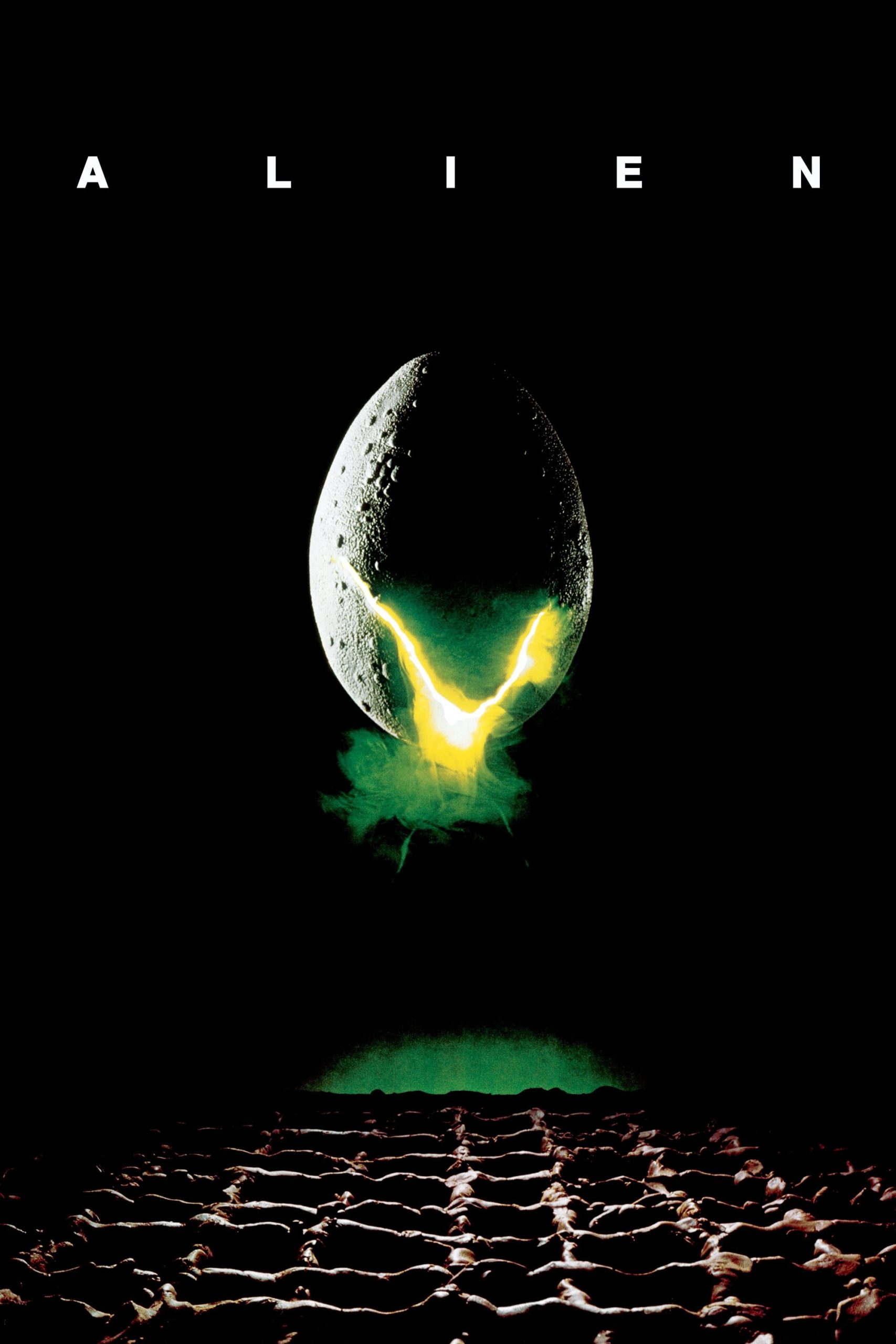
Ridley Scott’s 1979 film Alien is most commonly contextualized within the film movements of science fiction cinema and body horror, while also connecting to broader trends of post-classical Hollywood and the emergence of the “New Hollywood” sensibility. Alien exhibits hallmarks typical of the science fiction genre’s late-1970s transformation, a period shaped by a more pessimistic outlook and anxiety-laden narratives. Stylistically and thematically, the film incorporates techniques characteristic of horror—specifically the subgenre of body horror—reflecting the influence of filmmakers like David Cronenberg, while also showing the imprint of European art cinema’s attention to atmosphere, psychological ambiguity, and genre transgression. Though not part of a rigidly defined “movement” in the strict sense, Alien exemplifies an era of genre hybridization, where studio productions began to subvert genre conventions, generating new discourses around identity, technology, and the body.
Historical Origins of the Movement
The science fiction genre underwent a substantial metamorphosis throughout the 1960s and 1970s. This period coincided with the emergence of the “New Hollywood” movement—a time when auteurist directors rose to prominence and previously entrenched studio orthodoxies began to erode. American and British filmmakers responded to audiences attuned to the social upheavals of the era, manifesting a more skeptical relationship to both technology and authority. This skepticism is visible in films like 2001: A Space Odyssey (1968) and Solaris (1972), which employed science fiction as a vehicle for philosophical inquiry and stylistic experiment, departing from the more utopian or technocratic visions of the 1950s.
Concurrently, horror cinema was undergoing its own transformation. Directors began exploring deeper psychological terrors and corporeal anxieties, shifting from external threats to internal, bodily ones. Body horror, as exemplified by early works of David Cronenberg or the Italian giallo movement, surfaced as a distinct preoccupation, interrogating the porous boundary between human and alien, self and other.
All these trends converged with Hollywood’s willingness to invest in risky projects in the wake of Jaws (1975) and Star Wars (1977), which proved that genre films could achieve mainstream box office success. These films also marked a turn toward spectacle and immersive world-building, but filmmakers like Ridley Scott sought to use those expectations as a springboard for more subversive or unsettling aims. The result was a new movement in which science fiction and horror cross-pollinated, intensifying the emotional and philosophical stakes of both genres.
This Film’s Contribution to the Movement
Alien stands as a landmark not because it merely blends science fiction and horror, but because of how it reinvigorates both genres by bringing them into a dialogue with each other. The film’s scenario—a commercial spaceship’s crew battling a menacing extraterrestrial organism—offered a familiar science fiction premise but populated it with blue-collar workers instead of heroic or scientific elites. This narrative shift underscored themes of corporate exploitation, class, and vulnerability that were rarely explored in earlier genre entries.
Stylistically, Scott’s film is remarkable for its unique visual sensibility. The production design, led by H. R. Giger, introduces a biomechanical aesthetic that blurs the border between the mechanical and the organic—an artistic gesture echoing the period’s fascination with the “posthuman” condition. The xenomorph itself, with its overtly sexualized and traumatizing physiology, grounds the film unambiguously within the tradition of body horror, making manifest what most science fiction films had previously only alluded to: the profound anxiety about bodily integrity and identity.
Narratively, Alien upends viewer expectations through its deviation from established horror and science fiction tropes. The “final girl” figure, embodied by Sigourney Weaver’s Ripley, anticipates shifts within gender politics and genre conventions, challenging patriarchal authority and resetting the template for female protagonists in genre cinema. The film treats deep space not as a realm of discovery and progress but as a site of capitalist monotony and existential dread, thereby enriching the critical vocabulary of both science fiction and horror.
By synthesizing these diverse influences, Alien catalyzed a new approach to genre hybridity, encouraging later filmmakers to be more experimental and ambivalent in their treatment of genre boundaries. Its pacing, reliance on atmosphere, and implicit social critique distinguished it from many contemporaneous blockbusters, signaling a shift toward more mature and philosophically complex genre filmmaking.
Influence on Later Genres and Films
- The Emergence of Sci-Fi Horror Hybrids – Alien’s audacious fusion of science fiction and horror became a foundational text for countless subsequent films that likewise blurred genre lines. Movie series such as Event Horizon (1997) and Pandorum (2009), as well as video game franchises like Dead Space, absorbed its template of claustrophobic suspense and unsettling creature design. It established a new mode in which cosmic wonder and visceral terror could coexist productively.
- Transforming Representations of the Female Protagonist – The character of Ellen Ripley sparked a transformation in the types of roles women could occupy in genre cinema. No longer relegated to victims or sidekicks, female leads increasingly became agents of survival and resistance. This shift is visible in later series such as Terminator 2: Judgment Day (1991) with Sarah Connor or the Resident Evil (2002–2016) franchise’s Alice, all of whom adopt, adapt, or subvert the resilience modeled by Ripley.
- Establishing the “Used Future” Aesthetic – Visually, Alien helped popularize the “used future” look, characterized by worn technology, industrial grime, and the banality of space travel. This aesthetic is observable in later films and television, including Blade Runner (1982), which Scott also directed, and series like The Expanse (2015–2022). The rejection of the gleaming, utopian surfaces of mid-century sci-fi gave rise to more immersive and relatable cinematic worlds.
The Movement’s Lasting Impact
The recalibration of science fiction and horror from the late 1970s and early 1980s, as epitomized by Alien, demonstrably altered the course of Western genre cinema. This movement matters because it not only broadened the themes and narrative strategies available to popular filmmaking—introducing psychological unease, corporeal paranoia, and gender critique—but also expanded the visual and atmospheric possibilities of genre. The hybridization of genres continues to stimulate new creative avenues, as contemporary filmmakers revisit and reimagine the boundaries between science fiction, horror, and thriller.
Perhaps most importantly, the ongoing influence of Alien and its associated movement is evident in the ways genre films now regularly grapple with complex questions about identity, embodiment, and the ethics of technology. These concerns remain deeply relevant as twenty-first-century science fiction continues to interrogate the limits of human experience amid technological acceleration. By catalyzing a shift from genre insularity to genre dialogue, Alien’s movement opened up cinema to richer forms of storytelling and critical engagement, ensuring its relevance and resonance for generations to come.