
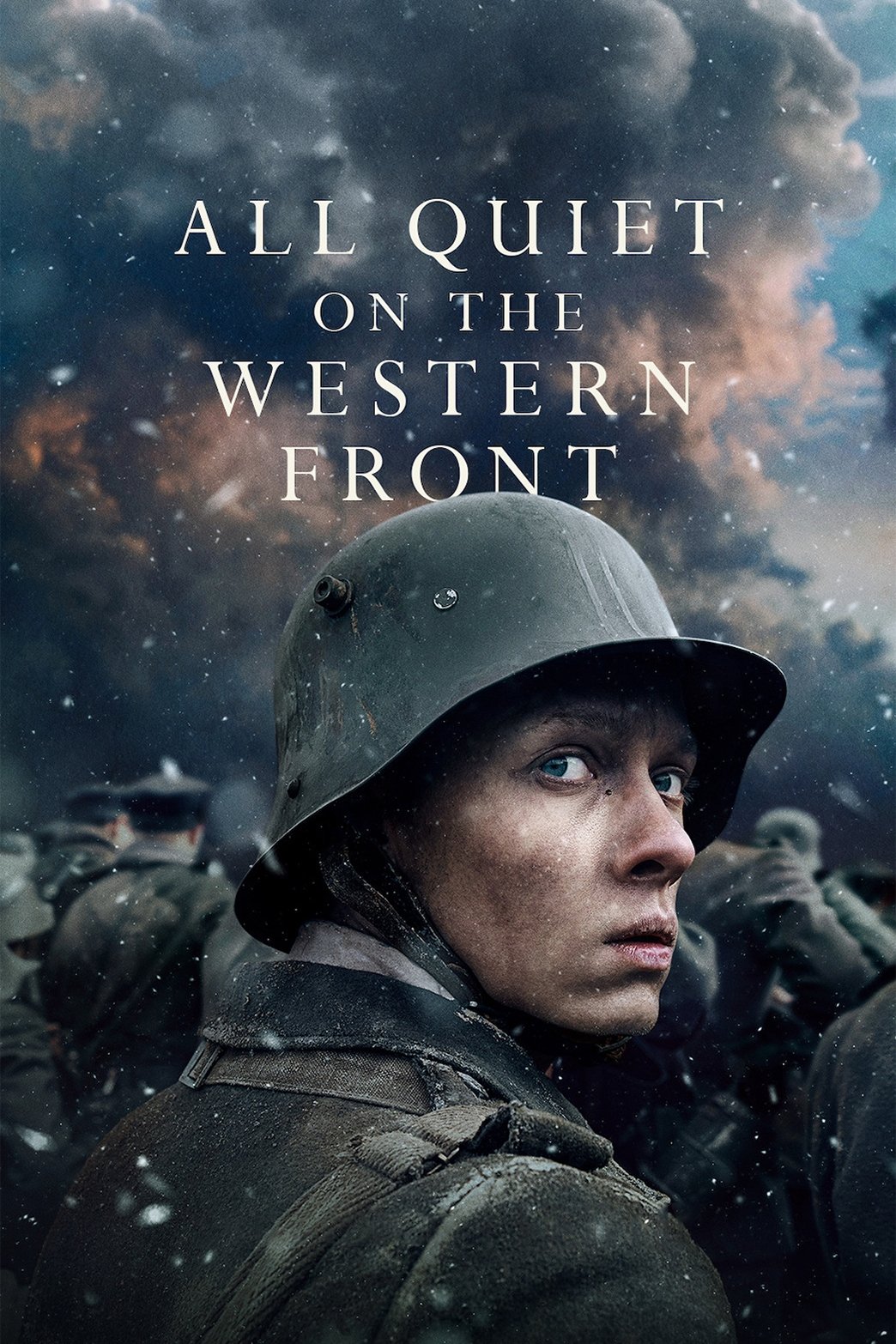
The Genre of This Film
The 1979 adaptation of All Quiet on the Western Front is primarily categorized as a war film. This production embodies the key elements that define the war film genre: it is set directly during World War I, depicts the experiences of soldiers in battle and in barracks, and explores the profound impact of armed conflict on individuals and societies. By centering its narrative on a group of young German recruits coping with the realities of war, the film highlights not only combat sequences but also the psychological and emotional toll of military conflict, which is a central hallmark of war films. Its narrative, visual approach, and character development all reflect core features commonly associated with this genre.
Key Characteristics of the Genre
- Common themes
War films frequently examine the human cost of conflict, the loss of innocence, camaraderie among soldiers, questions of duty and patriotism, and the futility or heroism of combat. Trauma, disillusionment, and the morality of warfare are recurrent themes, often underscoring the immense sacrifices demanded by armed conflict. - Typical visual style
Visually, war films are characterized by realistic and often gritty cinematography. Location shooting, authentic wartime costuming, and practical effects such as explosions and practical stunts are commonly used to immerse viewers in the period and environment of the conflict. The color palette tends to be muted or drained to convey the bleakness and severity of battle. Handheld camera work, tight close-ups, and panoramic battle scenes are also frequent, emphasizing immediacy and chaos. - Narrative structure
The structure of war films usually follows a linear progression, focusing on a specific group of soldiers from training or mobilization through various battles or campaigns and concluding with either survival or loss. Films may begin with an induction or naive idealism, evolve through escalating hardship and combat, and conclude with either somber reflection or the hard-won lessons of survival. Some war films employ a cyclical structure to illustrate the repetitive and inescapable nature of conflict, while others use flashbacks to show past traumas. - Character archetypes
War films commonly feature a range of character archetypes, such as the inexperienced recruit, the disillusioned veteran, the stern commanding officer, the loyal companion, and the enemy combatant depicted with various degrees of humanity. These archetypes serve to explore different perspectives on war—ranging from naive idealism to hardened cynicism. Often, the ensemble approach allows for depiction of a microcosm of society thrust into extraordinary circumstances, illuminating both individual and collective responses to war.
How This Film Exemplifies the Genre
All Quiet on the Western Front (1979) epitomizes the war film genre through its faithful depiction of the soldier’s experience during World War I and its unwavering focus on the impact of warfare. The film follows Paul Bäumer and his classmates as they volunteer to serve, motivated by nationalistic fervor, only to be confronted by the harshness of trench warfare. This journey from enthusiasm to profound disillusionment is central to the narrative and is emblematic of the genre’s focus on the loss of innocence and the shattering of youthful ideals. The movie portrays the intense camaraderie among the soldiers, the constant threat of death, and the overwhelming presence of fear and trauma—hallmarks of war cinema.
Visually, the film blends grim realism with dramatic staging. Battle scenes are tense and chaotic, captured with kinetic camerawork and immersive sound design to evoke the confusion and terror of war. The muddy trenches, rain-soaked battlefields, and claustrophobic dugouts contribute to a somber mood, typical of authentic war films set during periods of historical conflict.
The character archetypes present in the film are representative: the naive student turned traumatized veteran (Paul), the pragmatic older soldier (Katczinsky), and the various types within their unit, each coping differently with the ongoing violence. The narrative moves from initial enlistment through survival and destruction in a series of encounters, ultimately revealing the pointlessness and devastation wrought by war. The movie’s progression from collective idealism to the individual’s existential despair aligns closely with the structural trends and thematic focus of classic war cinema.
Other Essential Films in This Genre
- Paths of Glory (1957) – Stanley Kubrick’s striking anti-war film set in World War I explores the disastrous consequences of blind obedience and the dehumanizing effects of military command. Its focus on the moral dilemmas faced by soldiers and officers, as well as the bureaucracy of war, makes it a quintessential example of the genre’s critical approach to conflict.
- Saving Private Ryan (1998) – Directed by Steven Spielberg, this film is celebrated for its visceral realism, most notably in the D-Day landing sequence. By following a unit of soldiers searching for a lost comrade, the film examines themes of sacrifice, duty, and the bonds forged in battle, illustrating the unity and trauma inherent in war narratives.
- The Thin Red Line (1998) – Terrence Malick’s introspective portrayal of the Battle of Guadalcanal from World War II juxtaposes large-scale combat with reflective inner monologues, highlighting the genre’s philosophical dimensions. Its lyrical visuals and exploration of nature and humanity within war mark it as a unique yet representative entry.
- Platoon (1986) – Oliver Stone’s autobiographical film set during the Vietnam War sheds light on the psychological and moral ambiguities faced by soldiers. The narrative’s focus on the experiences of a single platoon, along with its emphasis on the internal conflicts and challenges of surviving amid chaos, embodies the war film’s traditional motifs.
Why This Genre Continues to Endure
The war film genre maintains its place in cinematic history because it provides a compelling lens through which viewers can contemplate humanity’s most dramatic and consequential experiences. War films enable audiences to vicariously encounter the extremities of courage, fear, and survival that define life in conflict zones. The genre’s persistent relevance stems from its ability to personalize history, presenting large-scale events through individual stories that evoke empathy and understanding.
Moreover, war movies often mirror the concerns of their era—grappling with questions of patriotism, leadership, and the costs of violence—and encourage reflection on contemporary issues through the examination of past conflicts. The universal themes of friendship, sacrifice, resilience, and loss ensure that each generation can relate to or learn from the struggles depicted. Finally, the technical advancements in filmmaking have allowed war films to achieve greater realism, which amplifies their impact and ensures they remain a vivid and engaging genre for modern audiences seeking both entertainment and insight into the human condition during times of war.