
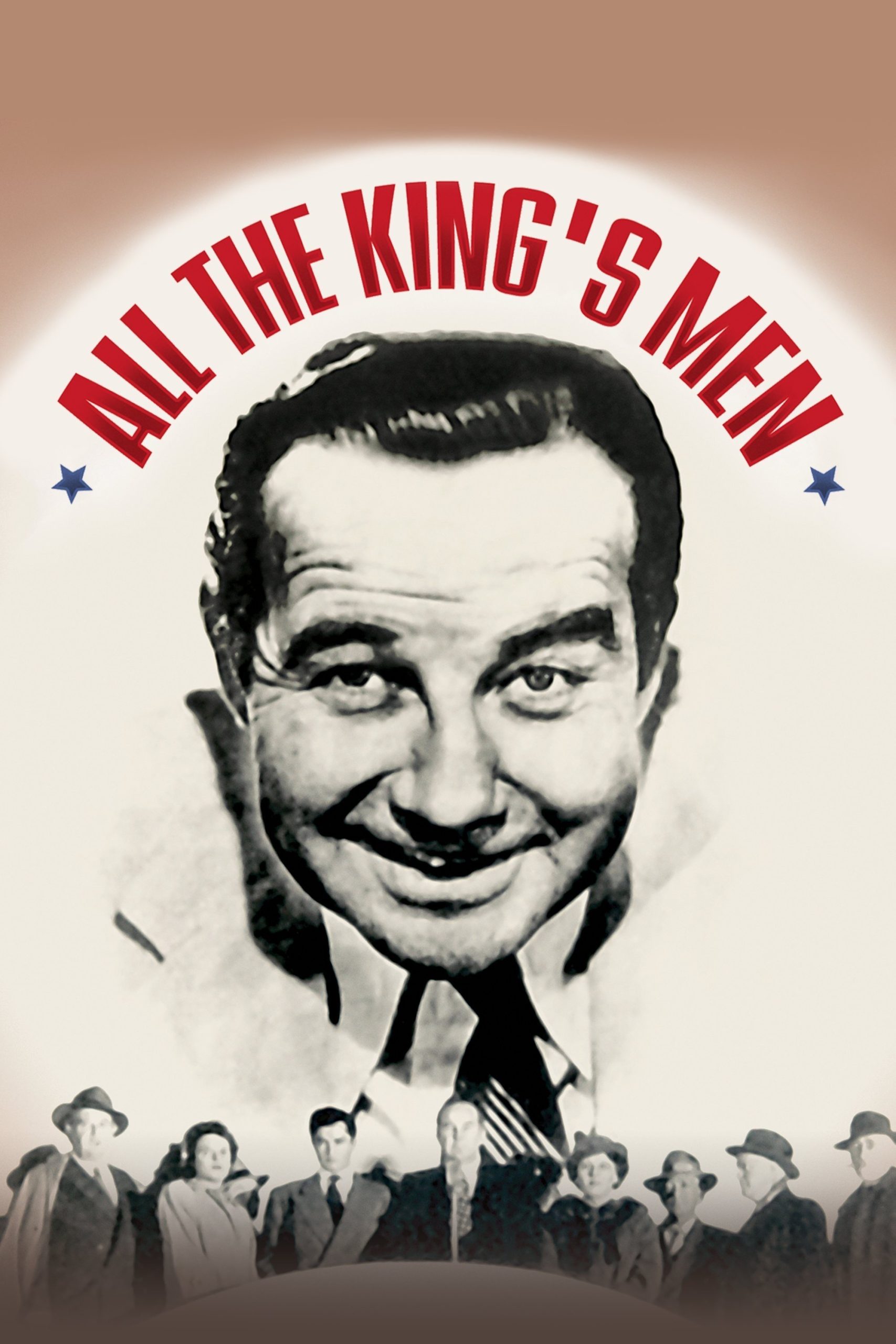
Film Movement Context
“All the King’s Men” (1949) is most prominently associated with the American film noir movement, while simultaneously engaging with the social problem film tradition that matured in Hollywood during the 1940s. Stylistically and thematically, it is situated at the intersection of these movements, merging the fatalism, moral ambiguity, and chiaroscuro visuals characteristic of film noir with a focus on contemporary social and political realities—a hallmark of social problem cinema. The cinematic approach of “All the King’s Men” positions it as a crucial work within these overlapping traditions, using noir’s visual motifs to dramatize the corrupt machinations of American political life.
Historical Origins of the Movement
The film noir movement emerged in the early 1940s as a distinctive visual and narrative trend in American cinema. Rooted in the cynicism and disillusionment brought by the Great Depression, World War II, and postwar uncertainties, film noir was heavily influenced by German Expressionism, French poetic realism, and hard-boiled American crime fiction. Key stylistic markers included low-key lighting, stark shadows, morally ambiguous protagonists, and urban settings rife with danger and duplicity. Concurrently, the social problem film—a genre foregrounding pressing issues such as crime, injustice, or systemic corruption—gained traction as filmmakers sought to address real-world anxieties in the aftermath of the war, the New Deal, and growing public awareness of institutional failures. The convergence of these movements in late-1940s Hollywood reflected a cultural appetite for narratives that interrogated both personal ethics and the structural underpinnings of American society.
This Film’s Contribution to the Movement
“All the King’s Men” represents a significant development in the evolution of film noir, as it projects the genre’s existential doubts and moral ambivalence onto the explicitly political terrain of populism, power, and corruption in America. The story, adapted from Robert Penn Warren’s Pulitzer Prize-winning novel, follows the rise and fall of Willie Stark—a fictionalized stand-in for Louisiana politician Huey Long—whose populist promises devolve into autocracy and ethical compromise. Director Robert Rossen employs noir’s expressive aesthetic through deep-focus cinematography, angular compositions, and oppressive interiors, visually reflecting the protagonist’s psychological descent and the environment’s growing toxicity.
Moreover, the film asserts the noir worldview beyond the individual—showcasing not only the protagonist’s personal failings but also implicating societal structures and collective culpability. Unlike classic detective noir, where a single antihero faces an alienating urban landscape, “All the King’s Men” positions multiple characters within a web of power, ambition, and betrayal, situating political corruption as both symptomatic of and sustained by broader cultural dynamics. The film’s engagement with the mechanics of rhetoric, public opinion, and systemic decay exemplifies the period’s evolution toward more politically engaged filmmaking, marking a turning point where noir’s darkness is not merely metaphorical but deeply enmeshed in the machinery of American public life.
Influence on Later Genres and Films
- Influence 1 – Political Thriller Expansion: By applying film noir’s stylistic codes to a narrative grounded in real-world political power plays, “All the King’s Men” paved the way for future political thrillers that blend suspenseful plotting with incisive social critique. Subsequent films such as “The Manchurian Candidate” (1962), “All the President’s Men” (1976), and “JFK” (1991) all draw on noir-inflected techniques to illuminate institutional malfeasance, using shadowy visuals and complex, morally ambiguous characters to interrogate American democracy.
- Influence 2 – Antihero Archetypes in American Cinema: The characterization of Willie Stark as a deeply flawed, destructive antihero contributed to the development of nuanced, complex protagonists in both cinema and television. This figure, at once charismatic and dangerous, would reappear in films like “Network” (1976), “There Will Be Blood” (2007), and series such as “Breaking Bad” (2008–2013), emphasizing the pitfalls of unchecked ambition and ethical compromise.
- Influence 3 – Hybridization of Genre and Realism: “All the King’s Men” illustrates how noir could be effectively harnessed to tell socially engaged stories that departed from pure crime melodrama. Its synthesis of noir and social problem cinema fostered similar hybrid works—like “On the Waterfront” (1954) and “Chinatown” (1974)—inspiring filmmakers to use genre conventions as a means to reflect and critique actual societal structures.
The Movement’s Lasting Impact
The film noir and social problem film movements retain their significance in the history of cinema not only for their innovative aesthetics and storytelling, but also for their unflinching engagement with the moral and civil crises of their times. Through stylized visual language and layered narratives, film noir continues to shape contemporary representations of ethical ambiguity, institutional corruption, and personal responsibility on screen. Works like “All the King’s Men” underscore the enduring relevance of these movements, demonstrating that the boundaries between genre, realism, and commentary can be porous and productive. By situating complex characters in equally complex social worlds, this movement provokes critical reflection on the forces—personal, cultural, systemic—that shape the trajectory of both individuals and nations. It remains essential for understanding the ongoing dialogue between American film and the democratic experiment it so often scrutinizes.
For a broader viewing decision, modern reassessments may be useful.