
The Genre of This Film
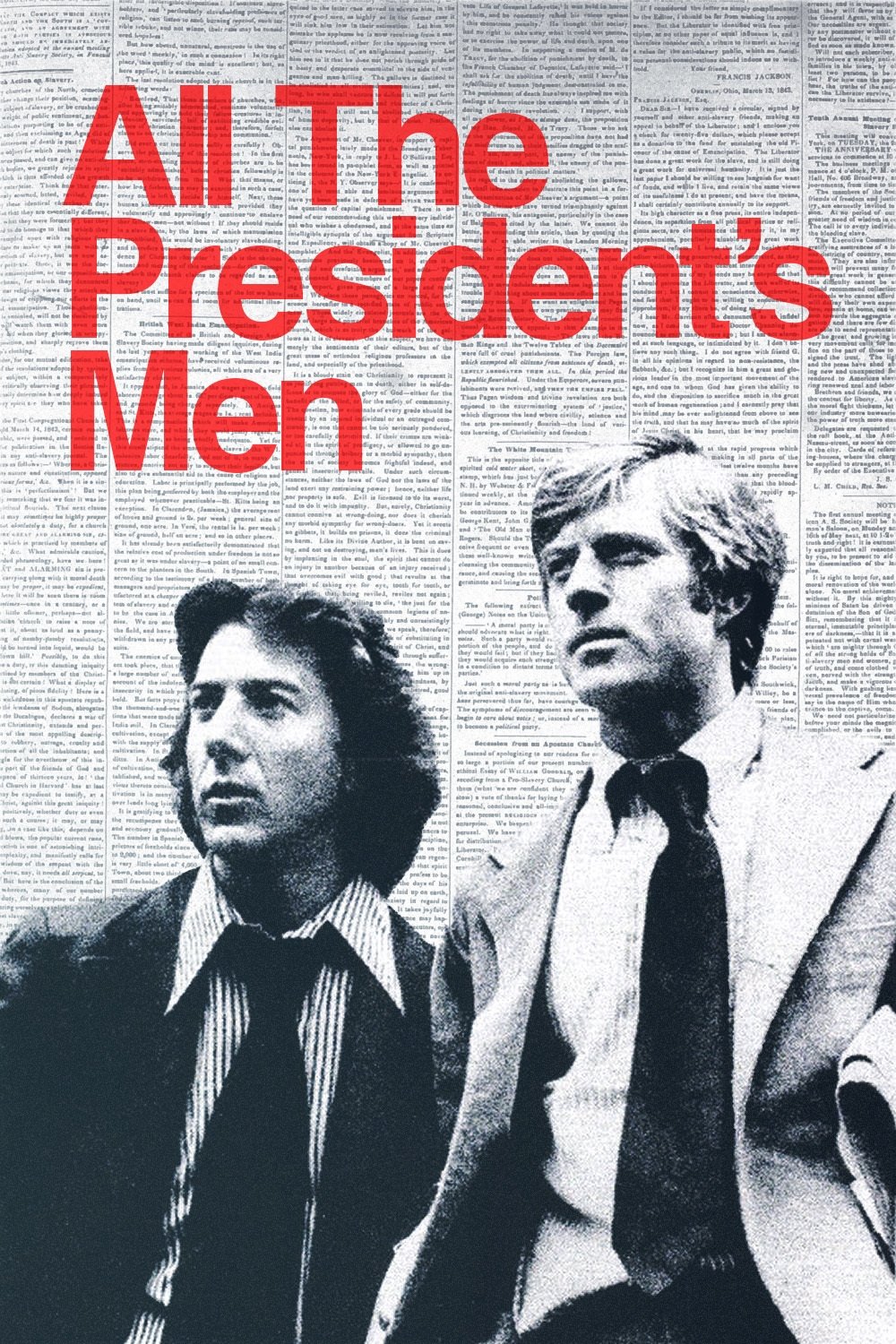
“All the President’s Men” (1976) is primarily classified as a political thriller, with significant overlap into investigative journalism drama. The film belongs to the political thriller genre because it centers on a real-life political scandal—the Watergate break-in—while building suspense around the uncovering of truth within the highest levels of government. Its focus on the methodical process of investigation, institutional corruption, and the dangers faced by the protagonists as they pursue justice reflect the essential qualities of political thrillers. Additionally, the film’s framework as an investigative journalism drama highlights the procedural nature of gathering facts, which is a key element in this subgenre.
Key Characteristics of the Genre
-
Common themes
Political thrillers and investigative journalism dramas frequently explore themes of power, secrecy, and accountability. Narratives often revolve around uncovering hidden truths, exposing corruption within powerful institutions, and confronting ethical dilemmas. These genres interrogate the fragility of democracy, the risks associated with seeking the truth, and the tension between personal safety and public responsibility. Trust, betrayal, and persistence in the face of systemic obstacles are also recurring motifs. -
Typical visual style
The visual style of political thrillers and investigative journalism films tends towards realism. Cinematography often employs muted or natural lighting, subdued color palettes, and practical settings to evoke authenticity. Tight framing, handheld camera work, and minimalistic production design help ground the story in the recognizable world of contemporary politics and media. Editing favors straightforward cuts to maintain narrative clarity, while pacing is often measured to emphasize the gradual unraveling of information. Visuals frequently focus on interiors such as newsrooms, government offices, and clandestine meeting sites to reinforce atmosphere. -
Narrative structure
The narrative structure of this genre is commonly investigative and procedural. Stories typically begin with a seemingly minor incident that unravels into a larger web of conspiracy or malfeasance. The protagonists, often journalists, lawyers, or other civilian investigators, follow a line of inquiry, encountering roadblocks, dead ends, and personal threats. This investigative progression is designed to mirror real-life processes, with setbacks and revelations forming the core of the tension. The plot may culminate in a significant discovery or public revelation, but often leaves certain elements open-ended to reflect the ongoing nature of real-world justice. -
Character archetypes
Essential figures include the persistent reporter or investigator, the cautious but supportive mentor or editor, the secretive informant, and antagonists representing institutional authority or hidden agendas. Main characters are typically portrayed as principled, resourceful, and sometimes naive individuals determined to expose wrongdoing, despite personal risk. Supporting characters may encompass cooperative colleagues, wary insiders, reluctant whistleblowers, and adversarial officials determined to shut down the investigation.
How This Film Exemplifies the Genre
“All the President’s Men” exemplifies the political thriller and investigative journalism drama genres through its unwavering focus on two Washington Post reporters, Bob Woodward and Carl Bernstein, as they methodically investigate the Watergate break-in. The storyline unfolds as a gradual accumulation of details rather than relying on overt action or fantastical elements. The film’s commitment to accuracy and authentic portrayal of investigative work—showcasing the painstaking process of sourcing, fact-checking, and confronting reluctant witnesses—embodies the genre’s hallmark of procedural realism.
Visually, the film uses authentic settings such as the bustling newsroom, shadowed parking garages, and stark government buildings to amplify tension and credibility. The subdued lighting and unglamorous workspaces reflect the everyday reality of journalistic investigation, while the occasional use of deep focus and tracking shots highlights both the isolation and persistence of the protagonists within impersonal systems.
Thematically, the picture delves into issues of truth, accountability, and courage. Woodward and Bernstein represent the archetype of dedicated reporters willing to challenge authority and pursue evidence wherever it leads, despite facing hostility and intimidation. The presence of supporting figures—such as their wary but supportive editor Ben Bradlee and the critical informant known as Deep Throat—adds layers to the film’s exploration of trust and ethical responsibility.
The film’s structure mirrors the genre’s procedural strengths, emphasizing the incremental piecing together of information. Instead of offering a clear-cut resolution, “All the President’s Men” concludes on an open note, reflecting the ongoing and unfinished process of both journalism and political accountability. This unvarnished depiction of investigation—eschewing melodrama in favor of meticulous detail—establishes the film as a quintessential example of the political thriller and investigative journalism drama.
Other Essential Films in This Genre
- “The Parallax View” (1974) – This film typifies the political thriller with its depiction of a journalist investigating the mysterious deaths of witnesses to a political assassination. Its blend of paranoia, institutional secrecy, and investigative action demonstrate core genre elements, including the lone protagonist facing powerful, shadowy opponents.
- “Z” (1969) – Reflecting the international scope of political thrillers, this French-Algerian film centers on the assassination of a political leader and the struggle to uncover government complicity. Its fast-paced narrative, tense atmosphere, and critique of political corruption make it a touchstone of the genre.
- “Spotlight” (2015) – A modern investigative journalism drama, “Spotlight” examines the Boston Globe’s efforts to expose systemic abuse within the Catholic Church. The film’s dedication to procedural accuracy, the intricacies of reporting, and its ensemble of driven reporters place it firmly within the tradition established by “All the President’s Men.”
- “State of Play” (2009) – Blending elements of political thriller and journalism, this film follows the investigation of a suspicious death linked to a powerful congressman. Its narrative intertwines political machinations, the pressures of the modern newsroom, and the dangers confronting those who challenge established power.
Why This Genre Continues to Endure
The political thriller and investigative journalism drama genres remain compelling for audiences due to their direct engagement with the mechanics of power, truth, and societal integrity. These stories harness the real-world stakes of political intrigue and the crucial role of the press in maintaining democratic accountability. In an era defined by information overload, institutional mistrust, and ongoing revelations of misconduct, these genres offer viewers both the thrill of uncovering concealed narratives and the reassurance of principled characters committed to the public good.
Moreover, the analytical and procedural nature of these films appeals to viewers’ curiosity and intelligence, presenting complex puzzles that mirror current events. By deploying believable settings and nuanced performances, political thrillers and journalism dramas create immersive experiences that resonate as both entertainment and civic reflection.
Their enduring popularity also lies in their flexibility; they can explore scandals from any era, address timely social concerns, or recount historical incidents with dramatic urgency. Whether set in newsrooms, courtrooms, or government corridors, their focus on investigation and accountability preserves their relevance for generations, ensuring that audiences continue to find meaning—and suspense—in stories of truth-seeking against all odds.
If you’re interested in how viewers respond beyond technique, you may want to explore audience and critical reception.