
Film Movement Context
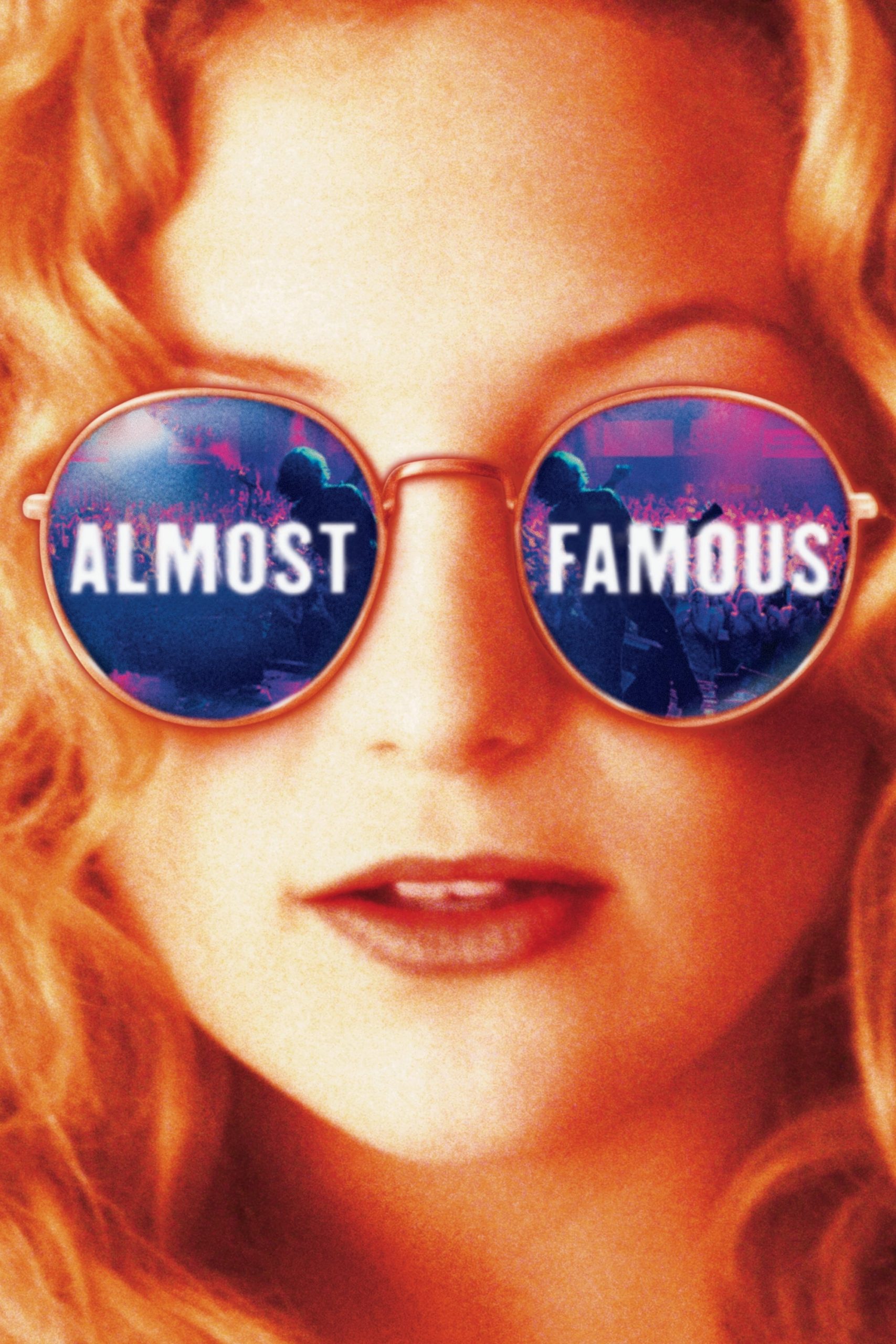
“Almost Famous,” released in 2000 and directed by Cameron Crowe, occupies a distinctive position at the intersection of American New Hollywood cinema and the tradition of the autobiographical coming-of-age film. While its emergence postdates the canonical New Hollywood era, the film is a conscious homage to, and evolution of, the movement’s ethos. It is heavily steeped in the aesthetics and spirit of the 1970s—an era New Hollywood defined—employing stylistic and narrative devices common to that movement. Simultaneously, “Almost Famous” contributes to the ongoing lineage of the coming-of-age genre and the tradition of personal narrative films that foreground authenticity, emotional complexity, and countercultural themes.
Historical Origins of the Movement
The New Hollywood movement, sometimes referred to as the American New Wave, began in the late 1960s and carried through the 1970s, arising as a direct response to the declining studio system and the shifting sociopolitical realities of postwar America. This period saw young, auteur-driven filmmakers such as Martin Scorsese, Robert Altman, Francis Ford Coppola, Hal Ashby, and Peter Bogdanovich wrest creative control from studio executives and bring personal, idiosyncratic visions to the screen. Several factors spurred the movement’s rise: audiences’ growing appetite for realism and subversion, the influence of European art cinema, changing cultural attitudes (especially skepticism toward authority and traditional family values), and the increasing willingness of studios to take risks on unconventional projects. The result was a proliferation of films that delved into youth culture, alienation, countercultural rebellion, and dissatisfaction with the American Dream, often using unconventional narrative structures and more naturalistic performances. By the late 1970s, blockbuster successes and the return of formulaic mass entertainment began to diminish the movement’s dominance, but its influence continued to permeate American film culture for decades.
This Film’s Contribution to the Movement
“Almost Famous” is not only set during the zenith of New Hollywood, but it also channels the era’s stylistic tendencies and thematic pursuits in both its form and content. Cameron Crowe, who wrote and directed the film based on his own experiences as a young journalist for Rolling Stone, constructs a deeply personal narrative that favors authenticity, character-driven storytelling, and a frank, unvarnished look at youth navigating fame, love, and self-discovery. The film eschews the manicured surfaces common to pre-New Hollywood studio fare in favor of a loose, episodic structure that mirrors the improvisatory, freewheeling ethos of the 1970s music scene it depicts. Crowe utilizes techniques such as naturalistic dialogue, unglamorous lighting, and an ensemble cast of complex, flawed individuals, reminiscent of Robert Altman’s overlapping conversations and sprawling social tapestries.
Moreover, “Almost Famous” brings the coming-of-age genre into dialogue with New Hollywood’s critique of American mythologies. The protagonist, William Miller, is both a participant in and an observer of the excesses and heartbreaks of rock culture, echoing the movement’s self-reflexive interrogation of truth, fiction, and popular storytelling. By foregrounding issues of journalistic ethics, the commodification of art, and the personal cost of hero worship, the film embodies the New Hollywood concern with disillusionment—a core motif of films like “The Last Picture Show” or “Five Easy Pieces.” However, Crowe tempers cynicism with nostalgia and affection; this balance is integral to the movie’s contribution, updating the New Hollywood sensibility for a generation coming to terms with the enduring legacy of 1970s counterculture.
Influence on Later Genres and Films
- Influence 1 – Revival of Personal, Autobiographical Storytelling: “Almost Famous” inspired a wave of films in the 2000s and 2010s centered on autobiographical or semi-autobiographical coming-of-age stories. Its success demonstrated the marketability of films rooted in specific lived experiences, encouraging directors such as Richard Linklater (“Boyhood”) and Greta Gerwig (“Lady Bird”) to draw directly from their own histories. The film’s seamless fusion of period detail, pop music, and personal revelation became a template for later works seeking to evoke a particular era while simultaneously delivering a universal narrative of growth and self-awareness.
- Influence 2 – Humanizing the Rock Film: Prior to Crowe’s film, rock movies often relied on mythic portrayals of musicians and their lifestyles, emphasizing spectacle over emotional nuance. “Almost Famous” redirected focus toward the ambiguous, often contradictory humanity of its rockstar characters, downplaying glamour in favor of vulnerability and intimacy. Films such as “Once” and “Begin Again,” as well as TV shows like “Vinyl” or even musical biopics like “Walk the Line,” incorporate this approach, prioritizing interiority, relationships, and the intersection of music, aspiration, and personal cost.
- Influence 3 – Reinvention of Nostalgic Period Films: The film’s affectionate yet clear-eyed perspective on the 1970s marked a departure from the purely rose-tinted or energetically satirical depictions prevalent in earlier period movies. By integrating a sense of historical consciousness with deeply personal stakes, Crowe catalyzed a trend of period films that use nostalgia as a critical tool, rather than mere aesthetic. This methodology found echoes in later works such as “Almost Famous”’s spiritual successor “Dazed and Confused,” as well as more recent entries like “Adventureland” or “20th Century Women,” which balance tribute and critique in their evocation of past decades.
The Movement’s Lasting Impact
The legacy of New Hollywood and its narrative descendants persists as a fundamental current in contemporary cinema; it valorizes the director as auteur and privileges character-driven, emotionally layered, and thematically adventurous storytelling. “Almost Famous” demonstrates how the core attributes of the movement—its focus on authenticity, its skepticism toward myth, and its willingness to foreground marginalized perspectives—continue to nourish film culture. As both a continuation of and commentary on New Hollywood, the film illustrates why movements matter: they refract collective anxieties and desires; they provide new languages for exploring personal and cultural histories; and they lay the groundwork for subsequent genre reinvention. In an age of formulaic franchises, the ongoing relevance of New Hollywood’s values, as harnessed by “Almost Famous,” underscores the enduring appetite for cinema as a medium of personal expression and historical memory.
To connect style and technique with broader context, you may find these perspectives useful.