
The Genre of This Film
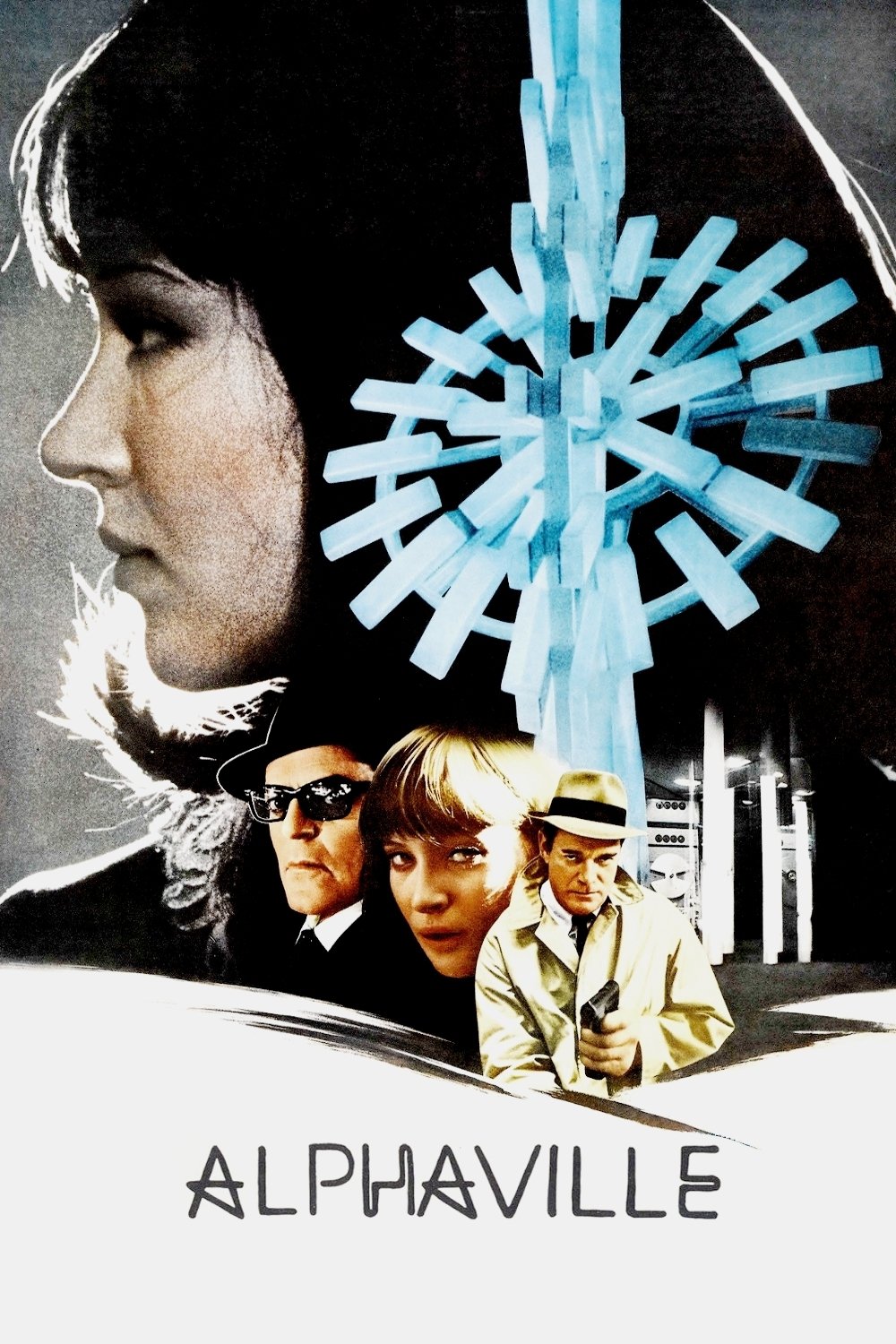
“Alphaville” (1965), directed by Jean-Luc Godard, primarily belongs to the science fiction genre. This classification is evident due to the film’s setting in a futuristic dystopian city controlled by a sentient computer, its exploration of advanced technology and its consequences, and its speculative vision of society. Although the film incorporates elements of film noir and detective fiction, its foundation in speculative concepts—artificial intelligence, totalitarian social structures, and the transformation of human experience by technology—places it firmly within the science fiction tradition.
Key Characteristics of the Genre
- Common themes
Science fiction frequently explores the social, philosophical, and ethical consequences of technological advancement or scientific discovery. Recurring themes include the tension between humanity and machines, questions of individual autonomy under oppressive regimes, and the potential dangers or promises of progress. This genre often interrogates how new technologies alter the nature of identity, emotion, and civilization itself. Concepts such as surveillance, the loss of individuality, and the blurring of reality with simulation also emerge regularly. - Typical visual style
Classic science fiction is characterized by a blend of futuristic and often minimalist design elements. Urban environments are depicted as highly organized or starkly utilitarian, sometimes featuring advanced architecture, lighting that suggests artificiality, and a visual palette that may be cold or subdued to evoke an impersonal world. Special effects, while varying according to budget and era, tend to focus on making speculative technology plausible on screen. Sets and costumes might incorporate streamlined or unusual aesthetics to differentiate the speculative world from real contemporary life. - Narrative structure
Science fiction narratives often center around a protagonist who questions or resists a dominant system, whether that system is an oppressive government, a powerful computer, or a dehumanizing culture. The story may involve quests, journeys into unfamiliar environments, or attempts to uncover the truth behind complex conspiracies. Plots frequently use philosophical dilemmas as dramatic engines—placing human values, emotions, and traditions in tension with logic or mechanized order. Expository dialogue or monologues can also be more prominent in this genre, establishing speculative premises or world-building details. - Character archetypes
This genre fosters archetypes such as the reluctant hero or outsider, the omnipotent or malfunctioning machine, and the loyal assistant or guide who aids the protagonist. Scientists, detectives, or engineers often take center stage, while authoritarian figures embody governments, corporations, or artificial intelligences. Characters may be forced to navigate societies that discourage individualism, exhibiting either compliance with the status quo or striving for rebellion. The clash between emotional, intuitive characters and cold, logical authority is a consistent motif, illustrating larger conflicts between humanity and technology.
How This Film Exemplifies the Genre
“Alphaville” is a highly distinctive example of science fiction, integrating the genre’s essential features while employing avant-garde cinematic techniques. The film presents a near-future metropolis governed by the calculating computer Alpha 60, an entity that has outlawed emotion and poetry to maintain order. Through its depiction of a society maintained by surveillance and logic at the expense of freedom and individuality, the narrative touches upon core science fiction themes—particularly the struggle between humanistic values and dehumanizing systems.
Visually, “Alphaville” eschews elaborate matte paintings or otherworldly set designs, instead opting to shoot on the stark, modernist streets and buildings of 1960s Paris. This choice heightens the film’s sense of uncanny futurism while emphasizing the genre’s capacity for speculative storytelling using recognizably real environments. The combination of shadowy lighting and severe compositions draws on film noir but is recontextualized here to convey the cold rationality of a society ruled by technology.
Narratively, the protagonist Lemmy Caution—a hard-boiled investigator—arrives from the “Outlands” to dismantle Alpha 60’s control, embodying the archetype of a skeptical outsider grappling with an imposed technological order. The film’s supporting characters include the emotionless agents of the system, and Natacha, who tentatively breaks free from the regime’s constraints through love and poetry. Dialogue is packed with philosophical discussions about logic, emotion, and free will, mirroring the genre’s penchant for intellectually provocative content. By merging these elements, “Alphaville” takes a philosophical approach to science fiction, while remaining anchored by the essential narrative and visual conventions of the genre.
Other Essential Films in This Genre
- “Metropolis” (1927) – Fritz Lang’s silent-era masterpiece is foundational to science fiction cinema, portraying a highly stratified futuristic city where social and technological change sparks conflict. The film’s visual style and themes about mechanization, individuality, and rebellion echo throughout the genre’s history.
- “Blade Runner” (1982) – Ridley Scott’s adaptation of Philip K. Dick’s story exemplifies science fiction’s fascination with artificial intelligence, urban dystopias, and questions about the nature of humanity. Its rain-soaked, neo-noir visual language and morally ambiguous characters have become genre hallmarks.
- “THX 1138” (1971) – George Lucas’s debut feature examines a sterile society governed by technology and surveillance. Through muted visuals, anonymous authority figures, and an everyman protagonist, the film interrogates conformity and emotional suppression.
- “Brazil” (1985) – Terry Gilliam’s darkly comic film depicts a bizarre, bureaucratic future rife with absurd technologies and social control. Like “Alphaville,” it mixes genre influences to satirize the pitfalls of unchecked logic and technological advancement.
Why This Genre Continues to Endure
Science fiction remains one of cinema’s most adaptable and enduring genres because it continually invites audiences to speculate about their future and examine the present through a different lens. Its narratives provide a space to grapple with existential anxieties—about technology, societal transformation, and the very essence of humanity—while creating opportunities for both imaginative escapism and rigorous intellectual inquiry. New developments in science and technology rapidly reshape the world, making the questions posed by science fiction ever more immediate and personal.
Visual and stylistic diversity further sustains the genre’s appeal. Whether realized with expansive effects or minimalist settings, science fiction offers filmmakers the freedom to experiment aesthetically while addressing universal issues. Intergenerational audiences return to science fiction because it promises both the thrill of the unknown and a platform to explore ethical dilemmas as old as storytelling itself. As long as society faces uncertainty about progress and identity, the speculative possibilities of science fiction will continue to resonate on screen.
If you’re interested in how viewers respond beyond technique, you may want to explore audience and critical reception.