
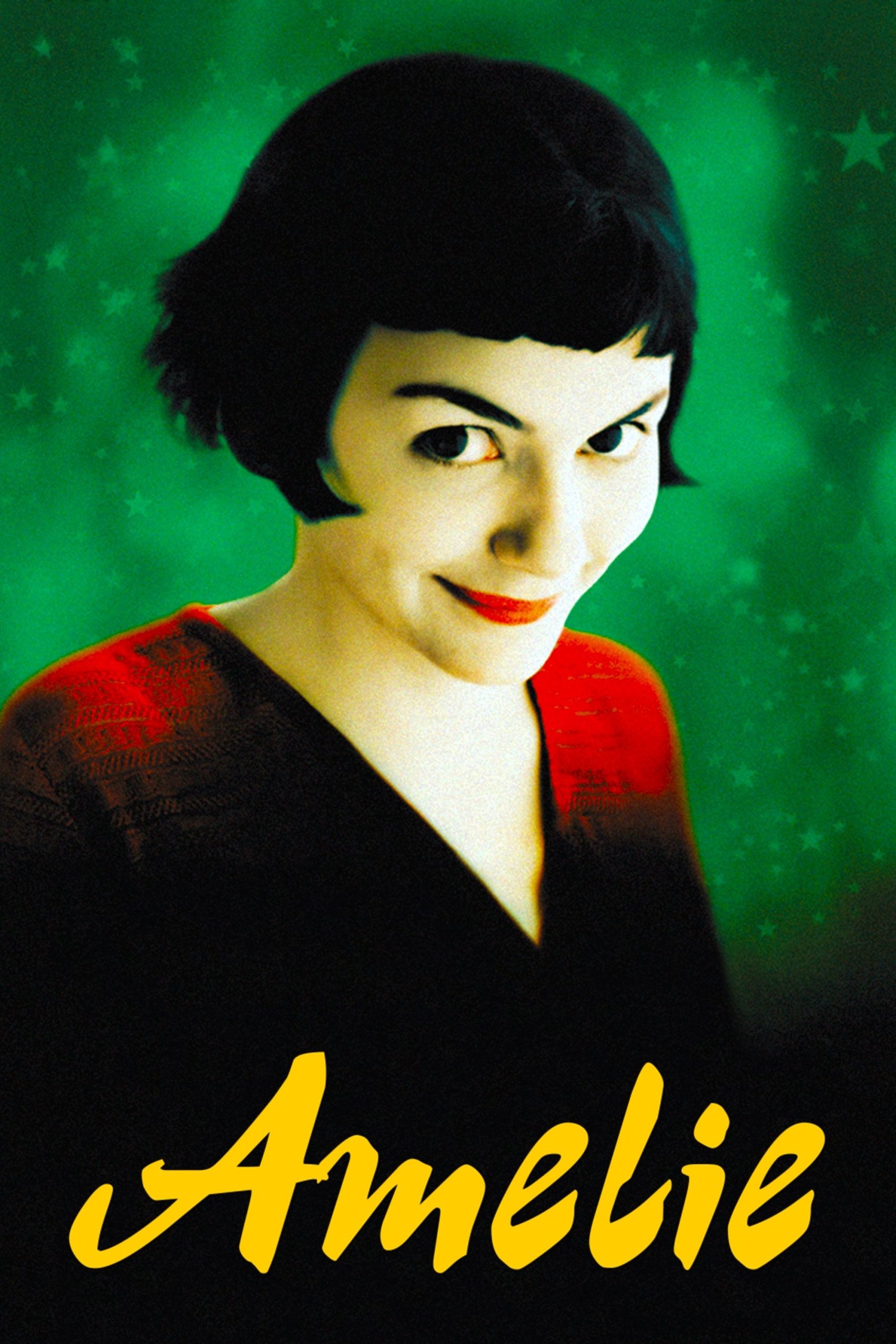
The Genre of This Film
When I first watched Amélie, I was immediately struck by its enchanting blend of humor and tenderness, which for me places it firmly within the romantic comedy genre—albeit with an idiosyncratic flair that reshapes traditional expectations. There’s a charm embedded in every frame, but it’s the subtle undercurrent of romance, tinged with light, whimsical comedy, that defines my interpretation of the film’s primary genre. Rather than following slapstick conventions, Amélie weaves together the intricacies of love, the everyday quirks of life, and the earnest desire to connect, providing the kind of warmth and intimacy I associate with the best romantic comedies. The way everyday Parisian life becomes magical through the protagonist’s perspective is something I see as emblematic of the genre at its most imaginative and character-driven.
Key Characteristics of the Genre
-
Common themes
From my years of immersing myself in classic and contemporary romantic comedies, I’ve noticed the universal presence of human connection as a central theme. The films in this genre often gravitate toward the pursuit of love, the transformative power of joy, and the subtle reconsideration of the ordinary. Self-discovery also plays a recurring role, as protagonists grow not only through romance but through self-realization and acts of kindness. There’s usually an underlying message about optimism—that the complexity of life can be sweetened by serendipity, laughter, and compassion. These themes speak to our longing for meaning and the small joys of daily life. -
Typical visual style
For me, the visual palette is what can turn a romantic comedy from generic to unforgettable. In the most captivating examples, filmmakers use warm, inviting colors, soft lighting, and whimsical touches to evoke intimacy and lightheartedness. Camera work is often fluid, mirroring the emotional currents of the characters—think of sweeping pans, delicate close-ups, and a sense of visual playfulness. Set design is rarely neutral; it’s full of detail, playful exaggeration, and objects imbued with significance. This genre is not afraid of stylization—it often relishes it as a way to convey emotional states, setting the mood in a way that immediately draws me in. -
Narrative structure
The structure in romantic comedies tends to follow a distinct, yet comfortably familiar, arc. I often spot a journey of missed opportunities and chance meetings, all anchored by a central romance that emerges from confusion, misunderstanding, or serendipity. There’s a rhythm to how obstacles appear and are overcome, with comedic beats balancing out emotional stakes. Side plots—often involving quirky friends or eccentric relatives—add depth and humor while reinforcing the central theme. Narrative voice can be unique; in some favorites of mine, narration itself becomes a character, guiding the audience’s experience and lending the film a storybook quality. -
Character archetypes
I’m always on the lookout for archetypes that help define a romantic comedy’s DNA. There’s almost always an endearing yet flawed protagonist—someone whose worldview colors every scene. They’re joined by a love interest who is equally compelling, sometimes a contrast, sometimes a kindred spirit. Supporting players are often memorable for their idiosyncrasies, serving as foils, confidantes, or comic relief. The antagonist in this genre is rarely a villain; more often, it’s circumstances or internal doubts. Personal growth frequently sits at the heart of character development, offering a kind of sweet resolution that lingers well after the credits roll.
How This Film Exemplifies the Genre
Whenever I return to Amélie, I’m reminded of how this film seems to revel in everything I adore about romantic comedies, while refusing to be confined by formula. The central character, whose gentle eccentricities and intrinsic kindness drive the story, embodies the archetype of the lovable outsider, making her, in my eyes, one of the most memorable figures in the genre. It’s Amélie’s subtle matchmaking and quiet pursuit of happiness for others—and eventually herself—that perfectly distills the genre’s essence: the transformative power of small, unseen acts and the courage it takes to reach out to another soul.
The Paris imagined in the film is not the Paris of gritty realism, but a heightened, almost magical realm where every color feels emotionally saturated. I experience the city through Amélie’s eyes, noticing how everyday objects—a café spoon, a photo booth, a childhood trinket—are imbued with secret meaning. This visual style, with its lush reds and warm golds, sweetens every frame, turning reality into a sort of visual caress, and for me, that is where romantic comedies soar.
I am also struck by the narrative’s structure: the way it unfolds through narration, fleeting moments, and character vignettes. The film doesn’t drive toward romance with single-minded focus; instead, it meanders through the ecstasies and sorrows of ordinary people. The story’s heart, for me, is in the way connections are forged: through fleeting gestures, a helping hand, or a smile exchanged between strangers. The obstacles are rarely dramatic confrontations—more often, they are internal doubts, nervousness, or the ghosts of the past, echoing the kind of emotional complexity I crave in this genre.
Supporting characters delight me as they orbit Amélie’s world—a painter haunted by regret, a hypochondriac tobacconist, and a mysterious collector of discarded photo booth portraits. Each is given screen time and sympathy, fleshing out a community where oddness becomes endearing. The humor inherent to romantic comedy is never forced here; it arises from life’s ironies, quirks, and misunderstandings. Ultimately, what I find most exemplary is the film’s insistence that kindness and hope, no matter how small or awkward, have the power to quietly transform both giver and receiver. That is the romantic comedy’s truest promise, and Amélie, for me, fulfills it gracefully.
Other Essential Films in This Genre
- Roman Holiday (1953) – I have always admired how this film transforms a simple premise—a runaway princess in Rome—into a spirited and heartfelt romantic adventure. The sparkling chemistry between Audrey Hepburn and Gregory Peck creates a benchmark for the genre, while the film’s comedic beats and bittersweet denouement showcase how love stories set against vivid backdrops can remain lighthearted yet deeply resonant within the romantic comedy framework.
- Annie Hall (1977) – When I first encountered Annie Hall, I was impressed by its self-reflexive humor and non-linear storytelling. Woody Allen’s film stands out for me because it dares to experiment with genre conventions—introducing animated sequences, direct address, and a relationship that prioritizes realism over fairy-tale endings. The neurotic yet sincere romance echoed my own longing for stories that blend comedy, vulnerability, and the reality of connection.
- Moonstruck (1987) – Cher’s performance as Loretta Castorini has remained with me for years. I appreciate this film for its warmth and exuberance, and for the way it allows quirky, imperfect characters to find love in the midst of familial chaos. The blend of Italian-American tradition, lunar symbolism, and screwball wit makes Moonstruck a romantic comedy that embraces the messiness and unpredictability of the heart.
- (500) Days of Summer (2009) – My fascination with this film lies in its honest portrayal of infatuation, heartbreak, and expectation versus reality. The non-chronological structure and playful approach set it apart from more conventional entries in the genre. While not everyone would consider it a traditional romantic comedy, I’m drawn to its witty tone, melodic soundtrack, and the way it subverts and reimagines genre tropes about love and fate.
Why This Genre Continues to Endure
For years I’ve reflected on why romantic comedies refuse to fade from popular consciousness, and my answer always comes down to their invitation to hope. At their best, these films coax us to believe in human connection, despite the odds stacked by awkwardness, anxiety, or the monotony of the everyday. I’m uplifted by how they illuminate the possibility of happiness in unexpected places, sometimes through just a simple glance or a shared laugh. There’s comfort in the predictability of certain beats, of course, but the genre’s resilience owes more to its revitalization through fresh perspectives, innovative storytelling, and cultural specificity.
When I speak to students or fellow cinephiles, I’m struck by how frequently the appeal of romantic comedy is rooted in its promise of joy amid uncertainty. It’s a space where vulnerability is honored and rewarded, where laughter heals and optimism lingers. I think this is why the genre has survived every shift in cinematic fashion: people continually seek stories that reflect their own dreams, disappointments, and sense of whimsy. Modern romantic comedies, like Amélie, have demonstrated to me that innovation thrives when directors balance stylistic experimentation with a genuine emotional core. The fundamentals remain—romance, humor, the search for meaning—but the possibilities are endless.
I find that when a romantic comedy resonates, it’s because it offers a release from cynicism, if only for a couple of hours. The films that stay with me most are the ones that make the ordinary sublime and the lonely connected. As long as audiences crave warmth, playfulness, and the affirmation that kindness can shape destiny, I believe this genre will always find a willing heart. Amélie, with its whimsical Paris, ache for connection, and gentle belief in the goodness of people, remains one of my favorite examples of what this genre can achieve when it is at its most inventive and heartfelt.
If you’re interested in how viewers respond beyond technique, you may want to explore audience and critical reception.