
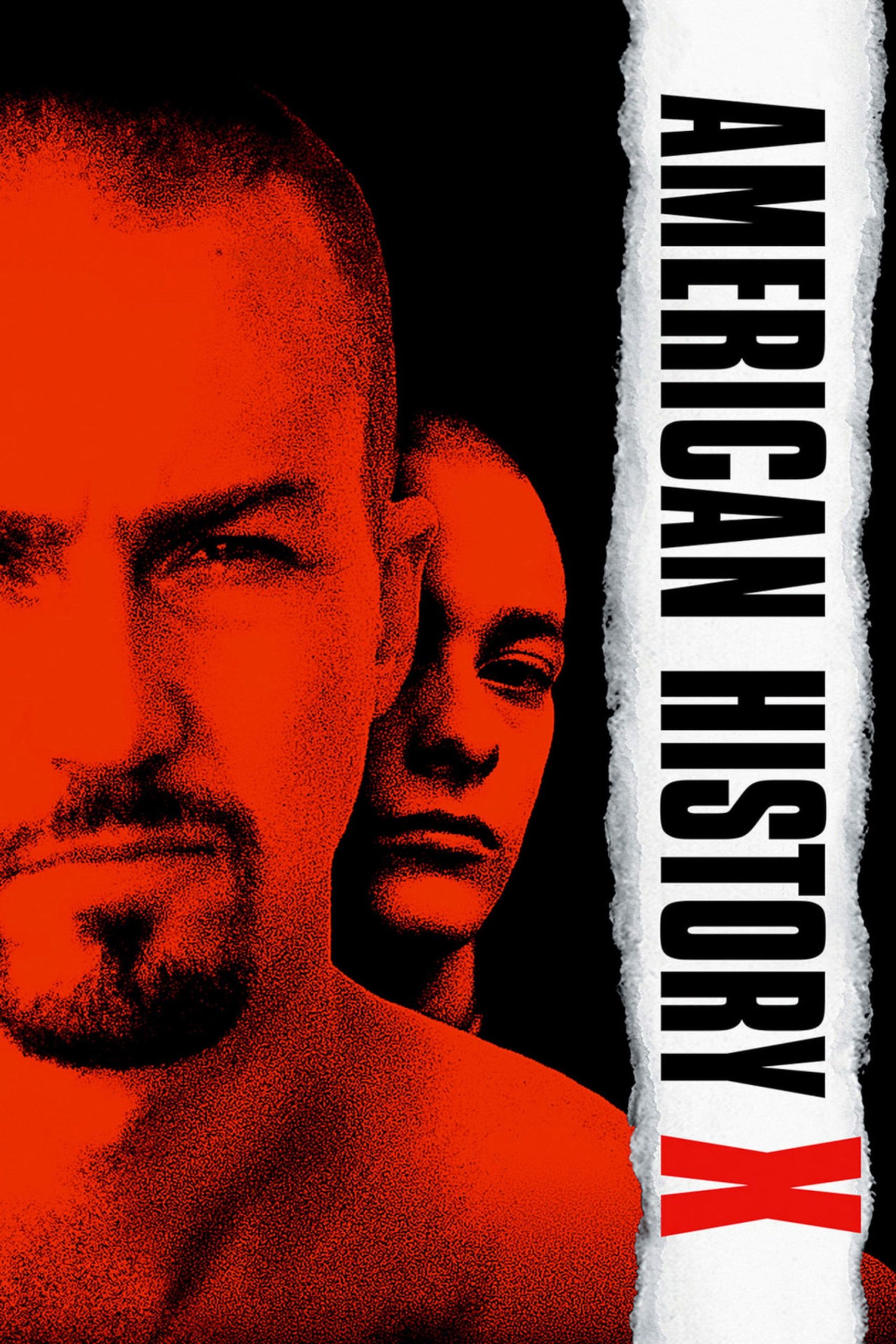
The Genre of This Film
When I first sat down to watch “American History X,” I immediately recognized it as a drama, but as the story unfolded, I realized it belongs most vividly to the crime drama subgenre. This film hit me with its raw, candid energy and the emotional gravity that characterizes influential crime dramas. For me, it’s not just that crime and punishment are part of the narrative—it’s how the consequences of violence radiate outward, affecting families, communities, and individual expectations of redemption. In my eyes, the way the film positions criminal activity at its center, only to pivot into character-driven examinations of choice, hatred, and transformation, locks “American History X” firmly within the crime drama tradition. The genre isn’t just a backdrop—it’s the film’s lifeblood, pushing the journey of identity and family through the lens of the American penal and justice system.
Key Characteristics of the Genre
- Common themes
- Typical visual style
- Narrative structure
- Character archetypes
In my observations, the crime drama genre almost always thrives on deeply moral themes. I see explorations of retribution, justice, personal redemption, and the gravitation between good and evil. What stands out most to me about these films is not just the act of crime itself, but the reverberations afterward—how they challenge both viewers and characters to rethink the boundaries between culpability and forgiveness. As I reflect on the genre, prejudice, social fragmentation, and the power of transformation hover persistently in the background, shaping a landscape where every action reverberates in sometimes subtle, sometimes catastrophic ways.
Visually, crime dramas tend to carry a certain grit—I’ve seen bleached, desaturated color palettes, stark chiaroscuro lighting, and a bone-deep realism that makes even the quiet moments tense. The genre’s look is designed, in my experience, to keep the viewer alert and unsettled. When I watch these films, I sense the instability on screen not only in the content, but in the handheld camerawork, the contrasting shadows, and the attention to detail within even the least welcoming environments. Crimes take place in tangible, lived-in spaces—often with a muted or cold color grading to emphasize moral ambiguity and the weight of the characters’ choices. Cinematography here is not just about aesthetic pleasure; it’s about amplifying the psychological climate.
Crime dramas, as I’ve come to recognize, rarely progress in a linear fashion. Nonlinear timelines, flashbacks, and shifting perspectives are practically trademarks of the genre. This technique isn’t just a storytelling trick for me—it’s a way to peel back layers of character and cause, illuminating the long shadows cast by single acts of violence or betrayal. The structure frequently pivots around a defining event—a crime, a revelation, a tragedy—and then radiates outward as characters react, change, or attempt to come to terms with their reality. I’ve always found that this layered structure lets the story grow beyond surface-level events, turning crimes into catalysts for intricate personal journeys.
Within every great crime drama, I encounter recurring character types: the reformed criminal struggling with his past, the innocent drawn into darkness, law enforcement with conflicted motives, and victims caught between choices and consequences. What always strikes me is how these archetypes are reshaped and recontextualized with each new film. I see anti-heroes wrestling with their humanity, victims who refuse to stay passive, and authority figures whose belief in justice is never as unshakeable as it seems. This genre thrives on internal conflict—characters are defined not just by what they do, but by what they resist or regret. It’s this push and pull between transformation and relapse that, for me, keeps the genre fresh and emotionally potent.
How This Film Exemplifies the Genre
“American History X” is, in my opinion, a masterclass in the crime drama genre because it pulls no punches in immersing the audience in the aftermath of hate-fueled violence and the possibilities of change. What affected me most was how the film made crime inseparable from questions of identity and legacy. Watching the protagonist, I felt the genre’s DNA on display—his journey streaked with the classic crime drama markers: the act of violence at the heart of his narrative, the years spent in prison, and the agonizing effort to salvage a soul damaged by hate.
I was especially struck by how the film’s visual dynamics amplified its genre. The black and white flashbacks, for example, struck me as a nod to the grittiness that defines so many influential crime dramas. These scenes, devoid of color, didn’t just look stark—they evoked that genre-bound sense of moral extremes, where every moment seemed heightened and unpredictable. The juxtaposition with full-color present-day sequences mirrored the protagonist’s shifting perspective, echoing the genre’s typical use of timeline manipulation and multifaceted storytelling elements.
For me, the narrative structure is a microcosm of crime drama at its best. The film’s nonlinear progression—flipping between past and present—doesn’t just add complexity; it intensifies the sense of inescapable fate that hounds the characters. Flashbacks contextualize not just the origins of violence, but the insidious ways ideologies trickle through families and communities. I found that this method allowed me to understand motivations on a granular level—forcing me to consider not only what happened, but why it happened, and how cycles of hatred can resist even the strongest efforts toward redemption.
The crime drama archetypes are found in abundance here, though never in static form. I saw the protagonist’s struggle with guilt, his evolution from unrepentant offender to someone desperate for personal redemption. His younger brother offered the counterpart—a character standing on the precipice, deciding whether to inherit violence or reject it. Side characters, whether shaped by their faith in the system, ambition, or bruised ideals, gave me a lens into how crime drama always relies on the interplay of influence and independence. There’s nothing simplistic in these portrayals; the genre’s focus on transformation, relapse, and the specter of consequence pulses through every sequence.
Ultimately, I found “American History X” compelling not because it sensationalizes crime, but because it traps its characters within the real social and emotional webs that define crime drama. The genre, in my opinion, is about exploring what happens when people try and often fail—to break free from their worst impulses. In this film, that exploration is relentless and, for me, unforgettable.
Other Essential Films in This Genre
- “A History of Violence” (2005) – When I first encountered this film, I was immediately drawn in by its examination of how a single violent act can disrupt the lives of seemingly ordinary people. For me, the protagonist’s struggle to escape a brutal past and define himself by choices rather than his criminal history mirrored the core of the crime drama: personal transformation against long odds. Its tightly wound tension and focus on family legacy made it a standout for me.
- “Boyz n the Hood” (1991) – In my mind, this film is a touchstone for how crime dramas blend systemic social issues with intimate character arcs. Watching its portrayal of South Central Los Angeles, I was struck by the authenticity and depth—it’s not just crime as spectacle, but as a symptom of larger forces that hem in hope and ambition. Its emotional honesty and structure—moving back and forth through formative events—felt like a pure expression of the genre’s true spirit.
- “Mystic River” (2003) – I have always associated this film with the very essence of what crime drama can achieve. The shattering event at its center creates ripple effects across decades, with lingering questions of guilt, vengeance, and misunderstanding. Its narrative isn’t just about uncovering a culprit, but unraveling how trauma redefines adulthood, friendship, and community values. That spiral into darkness, punctuated by attempts at atonement, is what wrenches me back to this film every time.
- “La Haine” (1995) – I found myself captivated by this French crime drama, which delivers a day-in-the-life look at three young men trapped by social unrest, poverty, and the threat of violence. Its black and white cinematography and unflinching style reminded me how international the genre is, and how universally these themes can resonate. It’s that sense of being caught between explosive circumstance and fleeting hope that, for me, renders “La Haine” indispensable in understanding the global reach of crime drama.
Why This Genre Continues to Endure
Whenever I think about why crime dramas still capture me (and so many others), it always circles back to their relentless realism and emotional intensity. Unlike escapist genres, these films force me to reckon with the raw edges of morality, justice, and what it means to change when the world feels too heavy to allow it. Crime drama never lets me sit on the sidelines. Even when I’m repulsed or saddened, I’m engaging with urgent questions: How far would I go for revenge? What would forgiveness look like if I was the victim—or the perpetrator?
It’s the genre’s capacity for transformation that endears it to me most. Stories rooted in crime may begin with violence, but they ultimately become explorations of repair. These films show me that people can learn, regress, stumble, and rise again. In today’s world, where questions of justice and identity are as fraught as ever, I find the crime drama’s refusal to tidy away complexity completely refreshing. Its lack of easy answers, for me, is both its challenge and its gift.
Audiences—including myself—remain drawn to the empathy these films can stir up. I might not have walked in these characters’ shoes, but the genre makes sure I feel their blisters, fears, and hope. When handled deftly, the crime drama is a mirror—sometimes cracked, always illuminating—and it’s this tension that ensures I keep seeking out stories like “American History X,” eager to understand not only what happened, but how it changes everything moving forward.
If you’re interested in how viewers respond beyond technique, you may want to explore audience and critical reception.