
The Genre of This Film
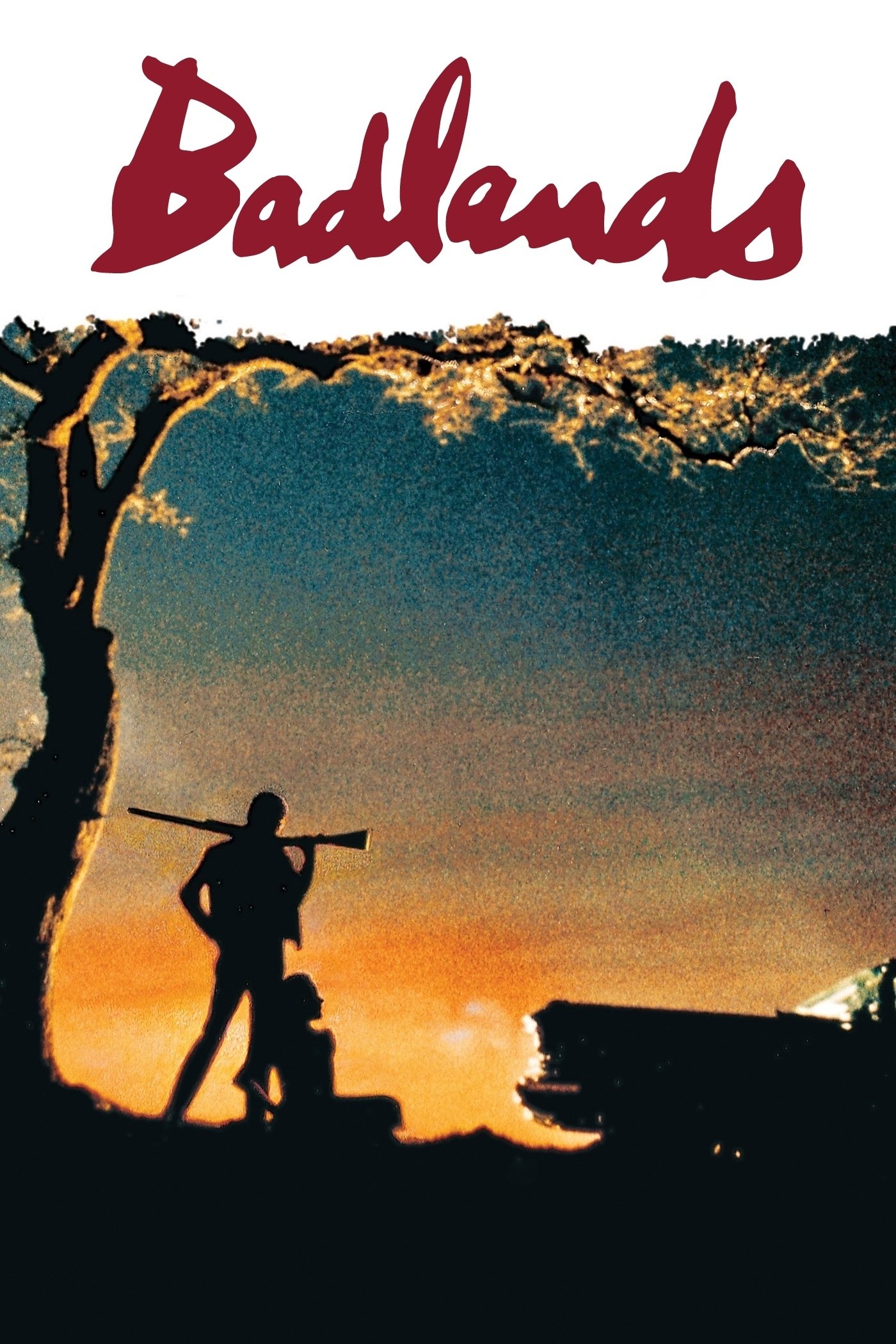
Every time I revisit “Badlands,” I find myself captivated by the way it quietly avoids easy classification and yet, unmistakably, settles into the American crime drama genre. For me, Terrence Malick’s 1973 debut is pure crime drama with a difference—the kind where the violence never feels like it belongs in a hard-boiled detective story, but instead seeps through the stillness of sterile small towns and endless open plains. I recognize “Badlands” as a foundational example of the crime drama because it draws its tension not from the usual cops-versus-robbers fare, but from the social rupture that ensues when two young outsiders step beyond the boundaries of law and convention. I’m always struck by Malick’s blend of criminal exploits with psychological estrangement and subdued poetic style, all hallmarks that firmly anchor “Badlands” in the crime drama tradition, while also beckoning into the territory of the road movie and American neo-noir. Yet at its heart, this film is—by my assessment—a crime drama shaped by alienation, social commentary, and the unpredictability of violence erupting in the everyday world.
Key Characteristics of the Genre
- Common themes
- Typical visual style
- Narrative structure
- Character archetypes
-
Common themes
When I immerse myself in classic crime dramas, I repeatedly encounter themes of transgression, moral ambiguity, and the search for redemption—or a clear absence of it. The genre is obsessed with the consequences of lawbreaking; it’s not just about the act, but about what compels people to cross forbidden lines. I find atypical love stories and doomed fates woven throughout, often entwined with an undercurrent of disillusionment with American ideals. The genre interrogates youth in revolt, power and powerlessness, or alienation from suburban stability. In “Badlands,” these ideas surface as Kit and Holly flee from restraint and authority, transforming crime into a twisted flight for self-definition. There’s almost always an undertone of societal collapse, the idea that American landscapes harbor seeds of violence and longing. -
Typical visual style
When I recall the visuals that have stayed with me from the finest crime dramas, it’s the deliberate composition and atmospheric use of landscape that stand out. In films like “Badlands,” I see open highways, roadside motels, barren fields, and shadowed interiors punctuated by sudden bursts of violence. There’s often a contrast between quiet, sunlit exteriors and the darkness within the protagonists. The genre favors realism: natural lighting, handheld camera movements, or, just as often, a meticulous framing that mirrors the emotional isolation of the characters. For me, the spare, poetic style of “Badlands”—with its golden-hour light and distant horizons—becomes a kind of visual metaphor for the alienation and detachment fueling the story. There’s little glamour or chaos; instead, every frame lingers uncomfortably on the ordinary, amplifying the surreal presence of crime in a world that seems almost too serene. -
Narrative structure
Crime dramas rarely embrace clean, linear storytelling. In my experience, they thrive on circular structures, narrative digressions, or unreliable narration. The story often traces a downward spiral: an initial act of rebellion cascading into an inescapable web of consequences. I’m drawn to how these films embrace fatalism; protagonists are guided (or trapped) by their own impulses more than by plot logic. Many crime dramas employ a kind of diary format; sometimes, like in “Badlands,” we get a hauntingly detached voiceover, deliberately downplaying horrific events in favor of a dreamlike or resigned tone. There’s less emphasis on solving a case and more on chronicling the collapse of ordinary lives touched by violence. -
Character archetypes
I see the genre as a playground for outsiders—rebels with (or without) a cause, doomed antiheroes, and naïve accomplices swept up in a world they barely understand. There are the misunderstood youths, the cold-blooded but charming criminals, and the observers who are changed forever by proximity to crime. Figures of authority may appear, but they often seem peripheral or powerless, ceding the narrative to the transgressors. In “Badlands,” Kit is a James Dean-inspired drifter—cool and detached, a cipher for American outlaw mythology—while Holly, his impressionable companion, serves both as participant and conduit between the disturbing actions and the audience’s own unsettled conscience. The dynamic of awe, complicity, and emotional distance among these characters is, to me, quintessential crime drama territory.
How This Film Exemplifies the Genre
What continues to strike me every time I watch “Badlands” is how thoroughly it embodies the soul of the crime drama, even as it sidesteps its clichés. For instance, Malick doesn’t just show us two people fleeing justice—he places us inside their strange, insulated world. To me, Kit and Holly are less masterminds and more accidental outlaws, drifting through the aftermath of their actions rather than actively seeking criminal validation. This is precisely what crime drama, at its most honest, is able to do: it reveals the banality of evil, the way monstrous decisions can emerge from small, almost mundane moments of disconnect.
I’ve always been fascinated by how “Badlands” uses silence and emptiness to tell its crime story. Instead of frantic chases or shouting matches, the violence sneaks into quiet spaces—an abandoned house, a field under a pink sky. The cinematography lingers on untouched landscapes and ordinary objects, as if daring me to notice the incongruity of horror within pastoral beauty. This sense of visual contrast is, in my experience, unique to crime dramas that want to explore, not explain, the roots of criminality. The unnerving stillness is, for me, both beautiful and terrifying.
Kit, in particular, is the archetype I most associate with American crime drama—a magnetic outsider who projects coolness but is fundamentally lost. I’m intrigued by how he borrows from pop-culture heroes, yet falls short of their mythic status, leaving the audience in a state of moral ambiguity. Holly, meanwhile, narrates with such casual detachment that her observations seem almost innocent, even as she describes moments of violence. This blend of distance and intimacy is what I find so powerful about the genre: it compels me to question why these characters act as they do, instead of letting me settle comfortably into either condemnation or romanticization.
Even the pacing feels quintessential to me. The story unfolds in hesitant fits and starts, following the unpredictable logic of two young people literally running out of road and out of time. The journey from town to wilderness to the mythic “badlands” becomes more than a plot device—it’s a portrait of the disappearing American innocence at the heart of so many crime dramas. I see “Badlands” as a perfect storm of genre conventions: the doomed couple, the obsession with boundaries (legal, social, and personal), and the lingering sense that the real crime lies not only in the acts themselves, but in the emptiness those acts uncover.
Other Essential Films in This Genre
- “Bonnie and Clyde” (1967) – Whenever I am asked about defining crime dramas, I immediately think of Arthur Penn’s explosive, style-shifting “Bonnie and Clyde.” This film set a new bar for mixing graphic violence with countercultural romance. Like “Badlands,” it follows lovers on the run, obsessed with escaping their ordinary lives. But where “Badlands” is ethereal and quiet, “Bonnie and Clyde” is brash, stylish, and pointedly political. Yet both films force me to confront the darkness embedded in American iconography and the romanticized myth of the outlaw.
- “Thieves Like Us” (1974) – I find Robert Altman’s “Thieves Like Us” to be a deeply resonant example of the crime drama’s capacity for melancholy and lyricism. It tells another story of runaway lovers—a young convict and a shy, isolated woman—wandering through the Depression-era South. The violence here is stark but never sensationalized. Altman’s film is, to me, an elegy for the rootlessness and searching that define the genre. Whenever I watch it, I feel the same ache for connection and the same shadow of inevitable consequences that “Badlands” evokes.
- “True Romance” (1993) – While much later chronologically, Tony Scott’s “True Romance,” written by Quentin Tarantino, always strikes me as a modern extension of the genre’s fascination with doomed couples and the destructive pull of violence. The film’s energy is wilder and more pop-cultural than “Badlands,” but the DNA is similar: outsiders drawn together by craving and circumstance, facing a cascade of criminal entanglements. I’m consistently fascinated by how it draws on familiar themes—escape, naïveté, moral ambiguity—while updating the template for a more frenetic age.
- “Natural Born Killers” (1994) – For me, Oliver Stone’s “Natural Born Killers” is the explosive, self-aware descendant of “Badlands.” It takes the genre’s core elements—alienated youths, a murder spree across the American heartland—and transforms them into a frenzied, media-saturated spectacle. The visual style is aggressive, the pacing relentless. Yet, at its core, I see the same preoccupations: the nature of evil, the allure and danger of infamy, and the subversion of the American dream by those who refuse to play by the rules.
Why This Genre Continues to Endure
In my years of watching and teaching crime dramas, I’ve come to believe the genre persists because it is, at its core, a mirror for our deepest societal anxieties and desires. I’m drawn to the way these films interrogate the thin membrane separating order from chaos, normalcy from eruption. I see in them an ongoing fascination with the outsider’s journey—a dramatic, sometimes fatal challenge to rules and expectations that define us. Audiences like me never tire of stories where the familiar is made dangerous, where ordinary landscapes conceal unspeakable secrets.
There’s also, for me, an undeniable appeal in the moral ambiguity crime dramas offer. Unlike many other genres, these films don’t force clear answers but instead leave us wrestling with empathy for characters who are both recognizable and deeply flawed. The genre’s survivors, romantics, and rebels often speak to an aching sense of alienation, the urge to break free, or the cost of doing so. That hunger—whether it’s for recognition, love, adventure, or meaning—remains timeless, and I suspect always will.
Finally, I think crime dramas endure because they force me, as a viewer, to question not just what I see, but how I see it. Their blend of realism and stylization, their meditative pacing counterbalanced by flashes of violence, create an atmosphere where suspense doesn’t just come from the threat of capture, but from the deeper uncertainty about human nature itself. They resonate, across decades, as case studies for what happens when people decide to invent their own rules—no matter the consequences.
If you’re interested in how viewers respond beyond technique, you may want to explore audience and critical reception.