
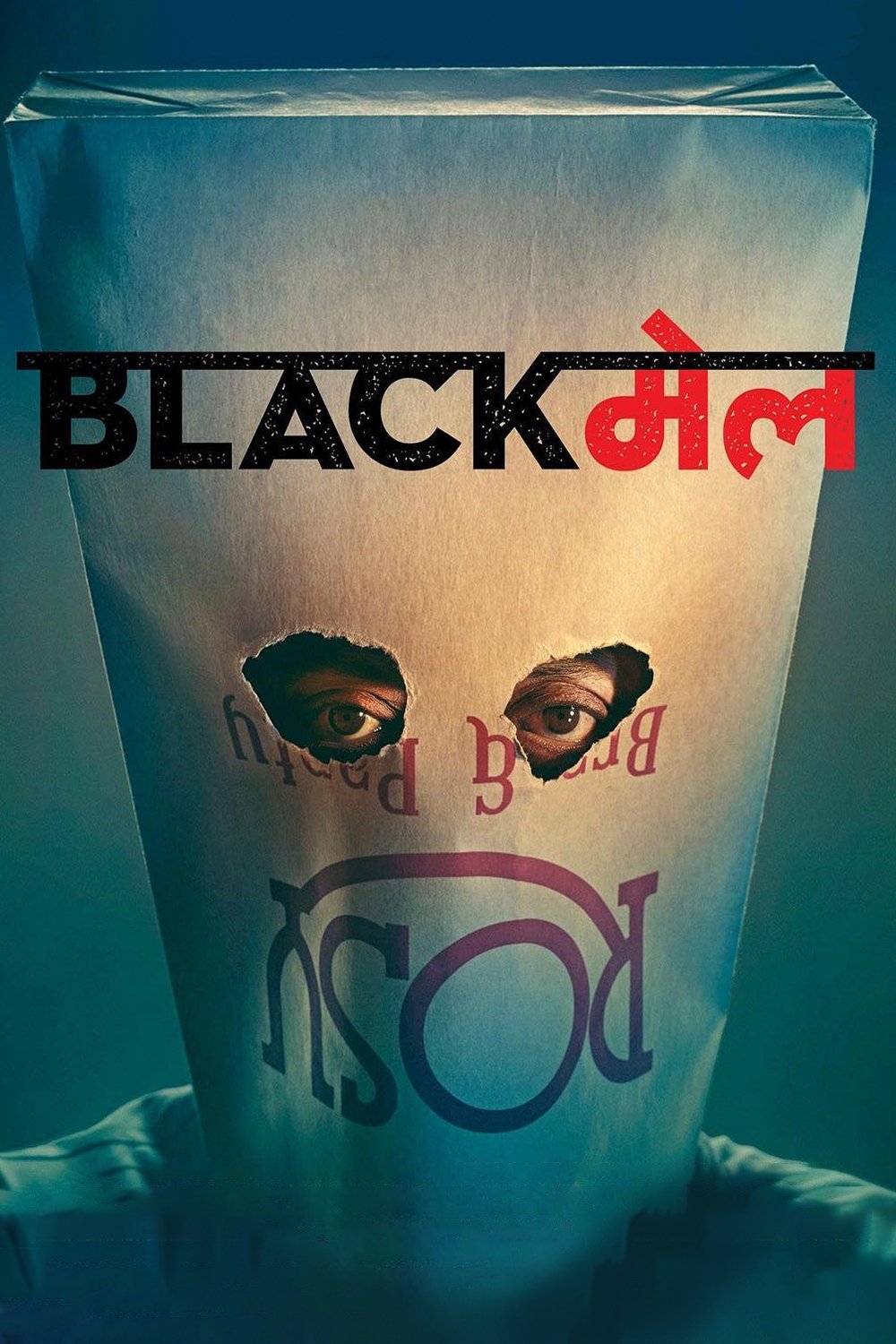
The Genre of This Film
When I think back to my first time encountering Alfred Hitchcock’s “Blackmail,” I was immediately struck by the palpable tension winding through nearly every scene. For me, this makes it a textbook example of the thriller genre—specifically the crime thriller. What clinches its placement there isn’t simply the subject matter—blackmail, betrayal, and moral ambiguity—but also the relentless, suspenseful pacing that underlies its narrative. There’s a certain psychological pressure woven into the story that marks it as something more than a simple drama or crime saga; it’s the persistent sense that a trap is being set around the characters, even when they themselves are hardly aware of it. My experience watching “Blackmail” wasn’t just about witnessing events, but feeling their weight and immediacy—a hallmark of the best thrillers.
Key Characteristics of the Genre
- Common themes
In my analysis, crime thrillers nearly always wrestle with moral ambiguity, deception, and the mechanics of fate. The genre envelopes viewers in worlds where individuals are forced to confront desperate situations, often teetering on the edges of right and wrong. I’m consistently drawn to how these films probe at the fragility of social facades and expose how quickly ordinary people can be swept into criminal webs—whether as willing participants or accidental victims. Trust, guilt, power, and justice all rear their heads as common thematic threads, and the shadow of the law hangs over every action, sometimes as salvation, sometimes as a threat. - Typical visual style
Whenever I sink into an authentic crime thriller, I can’t help but notice the striking use of shadow and contrast. Even in early black-and-white films like “Blackmail,” there’s an immediate visual language at play: heavy shadows, silhouettes, and claustrophobic urban frames. Interiors often feel boxed-in, visually reinforcing the characters’ entrapment by circumstance. I’ve seen how dynamic camera work—tracking shots, sudden cuts, skewed angles—serves to jolt the audience, making us complicit in the anxiety. The genre, especially during the late silent and early sound periods, often favors night settings, rainy streets, and confined apartments, each chosen to reinforce unease and impending danger. - Narrative structure
When I map out the flow of a great crime thriller, I see a structure that thrives on escalation. The story typically launches with an inciting crime or moral lapse, setting in motion a series of rippling consequences. I value the genre’s commitment to suspense—the slow tightening of the noose—where complications and reversals constantly shift the ground beneath the protagonist’s feet. Scenes are constructed to bait and withhold information, orchestrating a cat-and-mouse dynamic that keeps the viewer guessing. Exposition is rarely literal; instead, revelations unfold in sync with character decisions, generating a pace that pulses with tension and unpredictability. Often the climax arrives with a profound twist or moral reckoning that challenges both character and audience perception. - Character archetypes
It’s fascinating to me that the crime thriller is populated with complex, often flawed characters rather than clear-cut heroes or villains. I see ordinary individuals—artists, police officers, spouses—drawn into situations that force them to reveal darker aspects of themselves. Then there are the antagonists and blackmailers, whose manipulation and cunning serve to destabilize the protagonist’s reality. Law enforcement figures, frequently torn between loyalty to the law and empathy for those ensnared by it, become morally gray. The genre delights in characters whose motivations are ambiguous, adding layers of intrigue and depth that propel the story beyond mere good-versus-evil conflict. In my experience, this is what makes these stories linger in the mind long after the screen fades to black.
How This Film Exemplifies the Genre
I remember being genuinely captivated—not just by the mechanics of the mystery, but by the sense of mounting dread that colors every frame of “Blackmail.” In my view, this film is almost a manifesto for the crime thriller, elevating the genre even as it was still being defined. I watched as Hitchcock used suspense as both style and substance; the narrative’s structure, starting with an act of violence and spiraling into a web of secrecy and coercion, leverages the genre’s best instincts. What struck me most was how Hitchcock positions the audience as a kind of silent accomplice, heightening our investment in the protagonist’s dilemma. I felt the claustrophobia of the interiors, the damp chill of London at night, and the constant threat that the lead character’s secret might spill out at any moment. The film’s treatment of guilt and complicity transformed what could have been a simple whodunit into something much richer and more nerve-wracking. In my analysis, it’s this tension between fear, guilt, and ordinary life that marks “Blackmail” as both a prototype and a masterwork of the crime thriller form. When I reflect on the film’s characters, none of them emerge as noble; instead, they’re tangled in a spectrum of selfishness, necessity, and desperation. That’s precisely the world a true crime thriller asks its audience to inhabit, and in my experience, few films of the era do it as viscerally or as stylishly as “Blackmail.”
Other Essential Films in This Genre
- M (1931) – What makes Fritz Lang’s “M” so mesmerizing to me is its relentless tension, built not just from the actions of a criminal but from the way a whole city is forced to respond. “M” is a crime thriller defined by collective paranoia—the invisible, creeping danger, the blurred lines between justice and revenge. The city’s darkness, the anonymity of crowd scenes, and the conflicted humanity of its central antagonist, all elevate it beyond a detective story into a profound exploration of urban anxiety.
- The 39 Steps (1935) – Every time I return to this film, I’m reminded of the long shadow it casts over thrillers. Hitchcock crafts a scenario where an ordinary man is swept up in a conspiracy, racing against time and circumstance to clear his name. What sticks with me most are its set pieces—claustrophobic chases, mistaken identities, terse dialogue—each twist and turn engineered to keep my attention in a vice grip. It’s a film that exemplifies the tension, double-crosses, and adrenaline of the genre while maintaining a deeply personal touch.
- The Third Man (1949) – I can hardly discuss the DNA of the crime thriller without bringing up “The Third Man.” When I watch this film, I’m always struck by its moody expressionist visuals—angular shadows, warped cityscapes, and striking compositions—that create a dizzying sense of peril and intrigue. The postwar setting, coupled with enigmas at every turn, reinforce feelings of distrust and ambiguity. For me, it’s the convergence of personal stakes, shifting allegiances, and moral muddles that defines its place in the genre.
- Night and the City (1950) – I’m drawn to the way “Night and the City” renders London not as a backdrop but as a living character—its alleys, clubs, and neon-lit gloom setting the tone for an underworld thriller. The protagonist’s desperation and the inexorable tightening of his predicament give the film its pulse. When I watch it, I feel the paranoia and mounting pressure endemic to crime thrillers, and when it’s over, I’m left with the echo of choices gone wrong and fates sealed by hubris and accident.
Why This Genre Continues to Endure
From where I stand, the timelessness of the crime thriller comes down to its heady mix of entertainment and psychological engagement. There’s something irresistibly human about stories that probe the limits of morality, temptation, and self-preservation—so much so that I often find myself reflecting on what choices I’d make under similar pressure. Every time I revisit a film in this genre, I’m reminded of how suspense acts as a kind of emotional roller coaster, pulling viewers into a participatory experience where our sympathies and judgments are constantly tested. Visual style plays a huge role, too—those stark contrasts, keen angles, and panic-laden close-ups do more than elevate the story. They tap directly into the primal parts of our imagination, making us wary of every shadow and every ambiguous gesture. In our contemporary age, where anxiety and uncertainty seem ever-present, I notice that audiences are still drawn to stories that channel that unease safely and artfully. I believe that as long as viewers crave high-stakes drama and complex moral puzzles, the crime thriller will never lose its uncanny relevance or capacity to thrill.
If you’re interested in how viewers respond beyond technique, you may want to explore audience and critical reception.
🎬 Check out today's best-selling movies on Amazon!
View Deals on Amazon