
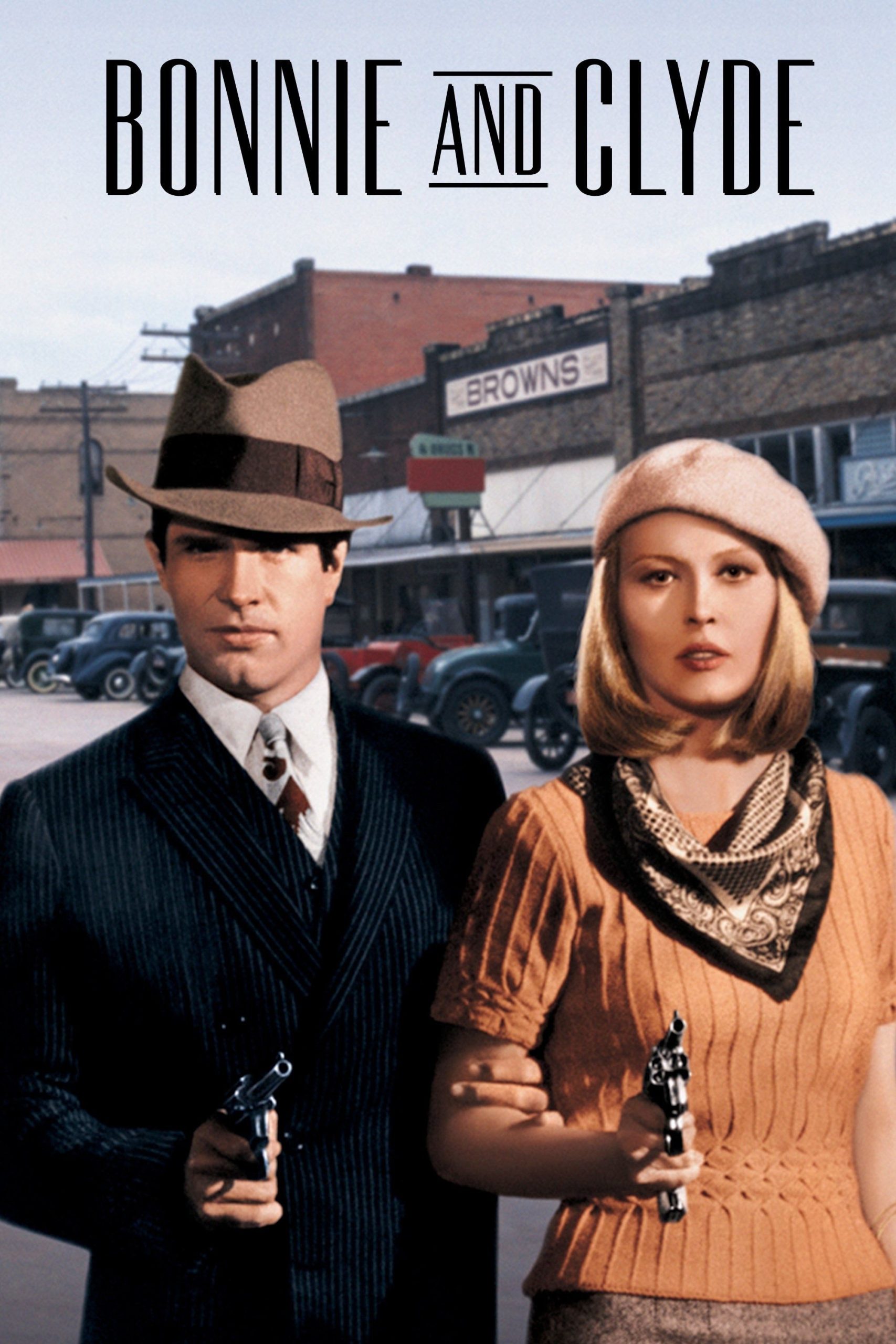
The Genre of This Film
Every time I revisit “Bonnie and Clyde,” I’m reminded of the visceral punch that the crime film can deliver when it’s firing on all cylinders. There’s something uniquely intoxicating about this story that goes far beyond a simple bank-robbing spree—what grabs me, every single time, is how unmistakably “Bonnie and Clyde” belongs to the crime genre. The film presents two notorious criminals as its leads, immerses me in the chaotic world of Depression-era outlaw rebellion, and delivers the constant adrenaline rush of lawbreaking and pursuit. While there are elements that lean into drama and even romance, it’s the DNA of the crime genre that pulses underneath every scene, from the stylish heists to the inevitable confrontation with justice. In my view, it’s a film that doesn’t just belong in the crime genre—it transformed it, using the conventions of crime storytelling as a kind of charged, rebellious canvas.
Key Characteristics of the Genre
- Common themes
- Typical visual style
- Narrative structure
- Character archetypes
-
Common themes:
What always strikes me about the crime genre—especially in American cinema—is its preoccupation with the tension between individual desire and societal constraint. As I watch films like “Bonnie and Clyde,” themes of rebellion, ambition, loyalty, and inevitable downfall swirl around every character moment. There’s a persistent fascination with moral ambiguity: I find myself wondering where sympathy and judgment should lie. Questions of justice, freedom, class, and the American dream are never far from the surface. Crime films frequently zero in on the desire for escape from poverty or obscurity—a hunger that often morphs into something dangerous and tragic. The genre also often explores loyalty and betrayal, the price of risk, and the inescapable consequences that come for those who challenge the status quo. For me, these are the meditations on what it means to defy—and sometimes be crushed by—the world’s limits.
-
Typical visual style:
When I imagine a great crime film, certain images come to mind: sharp silhouettes, dramatic lighting, and a camera that’s not afraid to get in close during moments of tension. Directors in this genre seem drawn to stark visual contrasts—bright daylight drowning the violence of a shootout, or the harsh glare of headlights on a midnight road escape. In “Bonnie and Clyde,” I’m consistently impressed by the sun-drenched rural landscapes, shabby motels, and worn-out automobiles, all captured with both a raw realism and a painterly flair. The genre’s visual style often leans toward realism, with handheld cameras or location shooting lending a documentary-like immediacy, but there’s just as often a stylized edge: choreographed shootouts, costumed outlaws, and an attention to detail in props and settings that creates a sense of time and place almost as vivid as the story itself. The look and feel of a crime film is never accidental—it’s always deeply aware of how visual energy can mirror the volatility of lives lived outside the law.
-
Narrative structure:
What pulls me so deeply into the crime genre is the way its stories are structured to keep me perpetually off-balance. There’s typically a rise and fall—a seductive promise of escape, quickly followed by looming dangers and, more often than not, a devastating conclusion. In my own experience, these films often open with the formation of a team or partnership, then escalate through increasingly daring exploits until everything unravels. The structure tends to embrace a tense rhythm: anticipation, execution, fallout, and the magnified tension of closing in on doom. Flashbacks, rapid pacing, and shifting perspectives aren’t uncommon, though in films like “Bonnie and Clyde” the linear drive toward a seemingly inevitable conclusion is part of the genre’s fatalistic thrill. I love how the best entries constantly force me to recalibrate my allegiances—should I root for the lawbreakers or dread their collapse? That tension is at the heart of how these stories are built.
-
Character archetypes:
Crime films offer a gallery of unforgettable archetypes: the scheming mastermind, the loyal but volatile partner, the doomed lovers, the relentless pursuer, and the innocent bystander pulled into dangerous territory. What I notice throughout the genre is how these figures are given both mythic and thoroughly human dimensions. “Bonnie and Clyde,” for instance, grants its antiheroes charisma and ambition but also insecurity, naivete, and recklessness. In so many crime films, the criminals are less monsters than products of their environments, while the pursuers are rarely pure agents of justice. The supporting cast often includes confidantes, comic relief, and, more poignantly, people who stand in for the audience—characters who find the criminal world alluring but ultimately terrifying. It’s the deep balancing act between archetype and individuality that makes me so invested in these films’ fates, even when I know doom is inevitable.
How This Film Exemplifies the Genre
I’ve always felt that “Bonnie and Clyde” is a case study in the evolution of the crime film. The way it celebrates outlaw behavior and then rips the rug out from under my feet is a reflection of the genre’s most powerful traditions. The narrative gets me invested in the lives of Bonnie Parker and Clyde Barrow—not as pure villains but as desperate, charismatic figures living on the edge. I see all the defining features of crime cinema right here: the meticulous organization of heists, the thrill and romance of life on the run, and the ever-present shadow of police pursuit pressing in. The film’s visual energy is electrifying—Arthur Penn’s direction pairs beauty and brutality, giving me pastoral Americana one second and gunfire the next. The pacing builds momentum in ways that feel both exhilarating and dread-inducing, until the violence of the ending leaves me shaken yet oddly satisfied. “Bonnie and Clyde” dwells in the moral gray zone—it draws out my empathy for the criminals while making it impossible to forget the suffering left in their wake. For me, the characters are more than just archetypes; they’re messengers of the genre’s underlying question: Is freedom worth the price, especially when the bill comes due?
What stands out to me is the film’s willingness to complicate every archetype. Bonnie and Clyde aren’t criminal masterminds—they’re ordinary people propelled by the times, romantic yearning, and an insatiable desire to feel alive. Their partnership, especially the almost instant attraction and mutual dependency, echoes countless classic crime pairings, but what makes it so compelling is the vulnerability that leaks through the bravado—something I consider rare for pre-1960s crime films, which often favored slick professionalism or cold cunning. The film also places enormous emphasis on public perception: I notice how the duo becomes media darlings, local legends, and tabloid fodder. This reminds me that crime, in this genre, is as much a performance as it is a survival strategy. Every sequence—the bank robberies, the scrappy escapes, the intimate hotel scenes—reinforces the instability and high risk of the outlaw life. The crescendo of violence and betrayal at the film’s conclusion is a direct extension of the genre’s tradition, one where catharsis and heartbreak arrive hand-in-hand. The combination of beauty, violence, love, and doom is precisely why I consider “Bonnie and Clyde” a quintessential crime film—one that laid the groundwork for more nuanced and rebellious interpretations of criminality in American cinema.
Other Essential Films in This Genre
- “The Public Enemy” (1931) – I always return to this James Cagney classic for its raw, unfiltered portrayal of the American gangster. The film immerses me in the rise and fall of a Prohibition-era criminal, focusing relentlessly on the dangers of fast living, loyalty, and violence. It’s iconic not only for Cagney’s electrifying performance but also for how it establishes the central crime film rhythm: ambition, transgression, and self-destruction. Every frame pulses with the grit and cynicism that would define so many later films, setting the moral and cultural tone for decades.
- “Gun Crazy” (1950) – If I crave a noir-soaked, psychologically intense crime film, this is my go-to. “Gun Crazy” feels to me like a spiritual sibling to “Bonnie and Clyde,” with its reckless young lovers on the run and their doomed journey from petty theft to headline-making violence. What I notice most is the film’s erotic energy—the thrill of danger is bound up with sexuality in ways that still feel daring today. It’s lean, suspenseful, and saturated with fatalism—a perfect encapsulation of crime genre anxiety.
- “Badlands” (1973) – Terence Malick’s hypnotic midwestern crime odyssey is another film that reshaped my expectations for the genre. It softens the traditional crime edges, replacing cynical bravado with poetic distance, but what it preserves is that sense of isolation, restlessness, and the mythos of lovers fleeing toward some impossible freedom. Watching “Badlands,” I’m constantly struck by the beauty of the landscapes and the casual, anticlimactic approach to violence. The genre’s themes of rebellion, rootlessness, and destructiveness remain intact but expressed with aching lyricism.
- “Heat” (1995) – Michael Mann’s magnum opus is, for me, the mature evolution of the American crime film—a sprawling, intimate look at the lives of both cops and criminals. “Heat” expands the genre’s focus, allowing me to experience the full dimensions of its archetypes. The visual style is gorgeously urban and neon-lit, and the intricate narrative structure keeps me invested in every cat-and-mouse dynamic. What I appreciate most is its insistence on the loneliness and sacrifice inherent to both sides of the law—a thematic throughline that runs deep in every great crime film.
Why This Genre Continues to Endure
There’s a reason I keep coming back to crime films, no matter how many times I’ve seen their story patterns play out. For me, part of the draw is visceral—the sheer thrill of watching people push against the boundaries of law and society is intoxicating. But it’s not just escapism. Every time I immerse myself in the crime genre, I feel it pulling at deeper anxieties: What if the rules could be bent, or broken, or remade entirely? Where does sympathy end and complicity begin? These are questions that never seem to go out of style. I see audiences connect over and over again to stories of rebellion, dreams gone rogue, and the search for transcendence—even when that search ends in flames. Maybe it’s because the genre places us right at the fault lines of desire and consequence, letting us vicariously experience both the rewards and the costs of dangerous risk.
What also keeps the crime genre vital, in my view, is its adaptability. I’ve watched it mutate with every social and political shift, reflecting the anxiety and hope of its times. In an era of economic turmoil, crime films give voice to frustration and defiance; in times of stability, they challenge complacency. For all their adrenaline, these films are ultimately meditations on fate, character, and morality—questions that persist even as settings change. It’s how universal those questions of defiance and destiny are that keeps the stories feeling fresh, relevant, and endlessly engrossing for modern viewers like me.
If you’re interested in how viewers respond beyond technique, you may want to explore audience and critical reception.
🎬 Check out today's best-selling movies on Amazon!
View Deals on Amazon