
The Genre of This Film
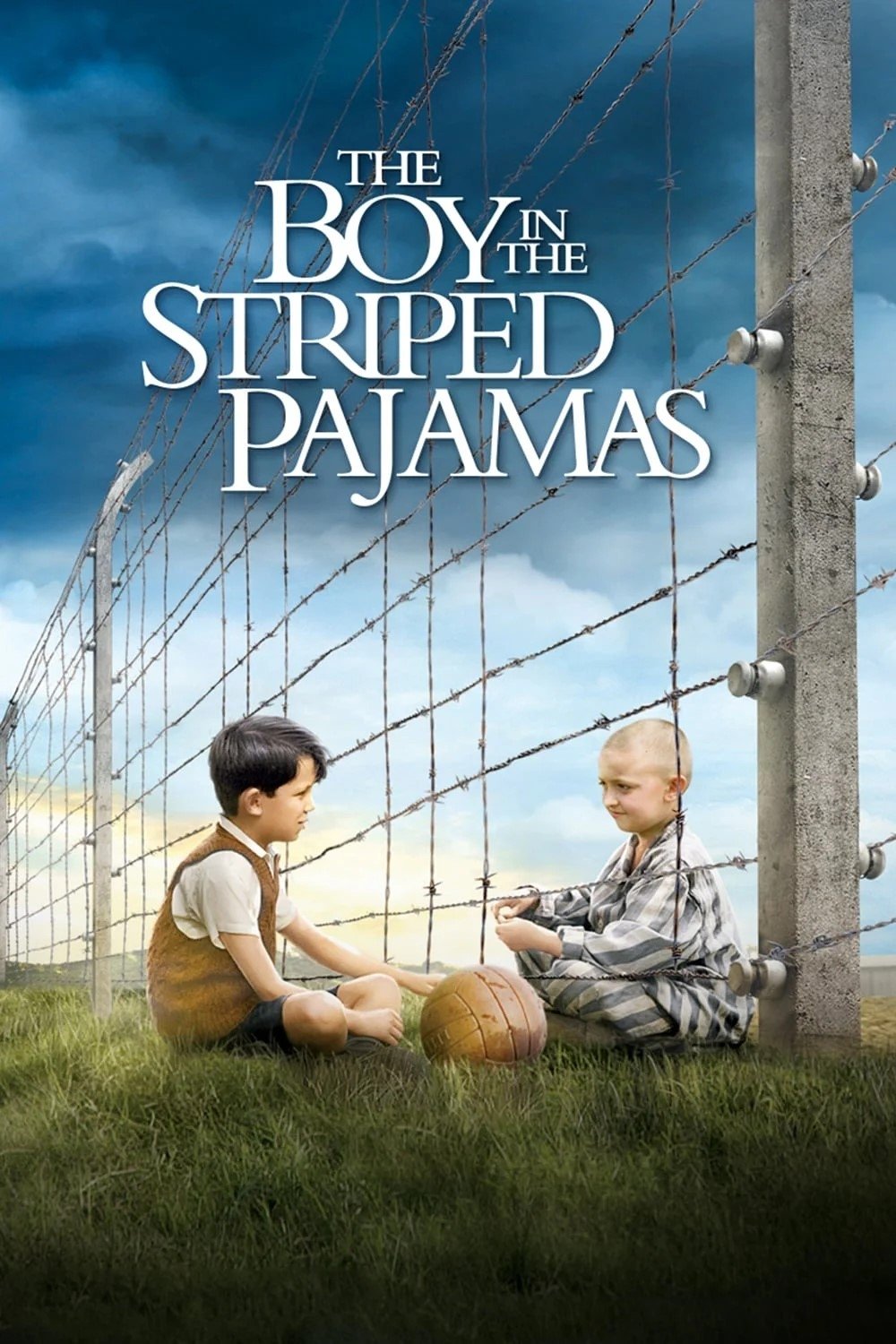
When I first watched “Boy in the Striped Pyjamas,” I felt an immediate recognition of the historical drama genre pulsing through every frame. It’s more than just a backdrop: the setting isn’t merely a time or place, but an active force shaping every character’s experience. For me, this film is at its core a historical drama, specifically a wartime drama, because every emotional note and plot turn is defined by the stark realities of World War II. The narrative doesn’t just invoke the era—it immerses me so deeply into that historical moment that the horrors and innocence collide in a way I seldom encounter outside powerful historical storytelling. The intense emotional impact, the chosen perspective of a child’s naïveté, and the careful, meticulous attention to recreating the world of the 1940s tell me this is quintessential historical drama with all its gripping, humanistic resonance.
Key Characteristics of the Genre
- Common themes
- Typical visual style
- Narrative structure
- Character archetypes
-
Common themes:
What draws me into historical drama is its unapologetic confrontation with the past’s most urgent lessons. I often notice recurring themes: innocence lost, moral conflict under oppressive regimes, the resilience of the human spirit, and contrasting perspectives on right and wrong. In films like this, I see direct engagement with questions of ethical responsibility, empathy, and the limits of understanding. Wartime dramas especially invite me to reflect on the consequences of war not just for soldiers, but, as here, through the eyes of children and families swept up by forces beyond their comprehension. The theme of innocence colliding with institutional evil is a hallmark, as is the use of historical events to foreground enduring questions about humanity. -
Typical visual style:
I’ve come to expect a grounded, authentic visual signature in powerful historical dramas. There’s a tendency toward muted color palettes—greys, browns, and somber hues that reinforce the period’s seriousness. My eyes catch practical set design and costuming aimed at historical accuracy rather than spectacle. These films usually forego flashy cinematography for immersive details: hand-sewn uniforms, period-appropriate interiors, and subtle lighting that avoids the gloss of other genres. Camera movements are often restrained, placing realism at the forefront and encouraging me to focus on the emotional expressions of the characters amidst their settings. -
Narrative structure:
I recognize that most historical dramas, and certainly wartime stories, favor a linear progression. The plot tends to follow a chronological order so that I’m oriented within the particular social and political moment being depicted. There’s usually escalating tension as the characters’ private struggles become entangled with the unfolding historical catastrophe. Sometimes, I run into non-linear elements—flashbacks, or subtle jump-forwards—to illustrate trauma’s enduring impact, but more often the story keeps a steady pace, emphasizing how personal fates are gradually sealed by larger historical events. -
Character archetypes:
I always find certain familiar figures: the innocent (often a child or an outsider), authority figures with varying degrees of complicity or resistance, and those marked as “other” by the ruling social order. These archetypes are not simplistic—historical dramas use them to probe grey zones. For example, the well-intentioned but naïve protagonist is set opposite hardened survivors and moral bystanders. There are also frequent contrasts: one character embodies official ideology, another challenges it, and a third represents naïveté or hope. The children’s archetype holds particular power, as they force me to see the period’s cruelty without the defenses of adult cynicism.
How This Film Exemplifies the Genre
I can’t shake the feeling that “Boy in the Striped Pyjamas” is engineered for emotional vulnerability—the very thing that, in my view, marks an unforgettable historical drama. The use of a young German boy, Bruno, as the lens through which I witness the Holocaust rips a hole in my composure, exactly because his sense of wonder and confusion matches my incredulity at human cruelty. Viewing this time period through a child’s perspective isn’t just a narrative device; it’s a quintessential genre move that heightens the sense of innocence confronted—and ultimately destroyed—by systemic evil. Every time I return to this film, I’m drawn to its meticulous period details: the uniformity of the soldiers, the sterile severity of the commandant’s household, and the haunting barrenness beyond the camp’s fence all anchor me in the particular moral nightmare of the 1940s. I repeatedly notice the cautious color grading that desaturates the world, rendering it bleak and shadowed except in fleeting moments of friendship between Bruno and Shmuel. That restraint, both visually and emotionally, epitomizes historical drama’s intent to wrench truth from history—not with grand spectacle, but with devastating simplicity.
Another signature genre trait I experience is the film’s steady, unhurried unfolding of its conflict. The story resists melodrama—there are no wild plot twists, no deus ex machina, only the logical, inexorable consequences of prejudice and obedience. I feel the narrative tightening around both families, Nazi and Jewish, closing off opportunities for escape or reprieve, and in that tightening is the familiar heartbeat of historical drama: a focus on individual helplessness within the machinery of history. The characterization is equally on point, with Bruno cast as the innocent observer and his father symbolizing blind complicity. Characters like Bruno’s mother, who slowly realizes the full horror of her surroundings, anchor me in the classic genre archetypes of protector, bystander, and unwitting participant. In these performances, I find the emotional depth and ethical complexity that makes historical drama so enduringly affecting for me.
Other Essential Films in This Genre
- Schindler’s List (1993) – Every time I revisit “Schindler’s List,” I’m overwhelmed by the raw immediacy that Steven Spielberg brings to the Holocaust through the eyes of morally conflicted individuals. Its focus on historical accuracy, unsparing detail, and emotional authenticity mirrors all the traits I seek in historical drama. The use of monochrome, documentary-style camerawork, and grounded performances show me how the genre can distill the enormity of history into personal stories that ache with significance.
- Empire of the Sun (1987) – I’m consistently drawn to this film’s presentation of World War II through a child’s eyes—much like “Boy in the Striped Pyjamas.” Its exploration of innocence, trauma, and adaptation to tragedy strikes at the heart of what I respond to in this genre: a combination of vulnerability and brutal historical realism. To me, its impressive ability to recreate the era’s physical world, alongside its commitment to character complexity, makes it a touchstone for the genre.
- The Pianist (2002) – Roman Polanski’s film unfolds with relentless, understated intensity. I find it a quintessential historical drama in how it depicts not just survival, but the erosion of dignity under occupation. Its meticulously authentic set design and its focus on the quiet resilience of its protagonist align perfectly with everything I recognize as defining this genre: a deep rooting in time and place, a commitment to emotional honesty, and a careful avoidance of sensationalism in favor of cumulative, harrowing impact.
- Life Is Beautiful (1997) – Here I see a slightly different, but perfectly relevant, approach to historical drama. The film’s use of humor as both shield and weapon within the context of the Holocaust might seem at odds with other works, yet its emotional arc and focus on individual agency and suffering squarely anchors it in this genre. Whenever I watch it, I’m reminded of how historical dramas can experiment with tone and narrative perspective without losing their essential seriousness and authenticity.
Why This Genre Continues to Endure
I find myself returning to historical dramas not just for what they depict, but for how they challenge me to feel—intensely and uncomfortably—about the past and my relationship to it. There’s a unique power in confronting collective trauma, moral ambiguity, and the resilience of the human spirit through stories grounded in real events. When I watch these films, I’m often struck by the resonance between the dilemmas of the past and questions that still trouble me today: how do ordinary people confront evil, where does responsibility start and end, and how can innocence survive in a corrupted world? Historical dramas stubbornly refuse to anesthetize or simplify these difficult questions. Instead, they place them front and center, forcing me to engage emotionally and intellectually with history’s darkest chapters while leaving room for empathy and hope.
The endurance of this genre, in my view, isn’t accidental. It’s driven by our collective need to remember and reckon with the realities that shaped us, and to see ourselves—our vulnerabilities, biases, and capacities for both good and harm—reflected through characters we recognize as fallibly human. Filmmakers’ commitment to authenticity invites me, time and again, to immerse myself in worlds that no longer exist but linger in cultural memory. It’s a form of witnessing, and each viewing offers a slightly new perspective as I grow older or the world changes around me. The best historical dramas don’t just recreate the past; they invite me to participate in the ongoing process of understanding, grieving, and learning. That, to me, is why audiences like myself keep seeking out these films, even as new genres arise to compete for our attention. The genre feels necessary—almost a moral obligation—not just for what I gain as an individual, but for what it offers to communal memory and empathy.
If you’re interested in how viewers respond beyond technique, you may want to explore audience and critical reception.
🎬 Check out today's best-selling movies on Amazon!
View Deals on Amazon