
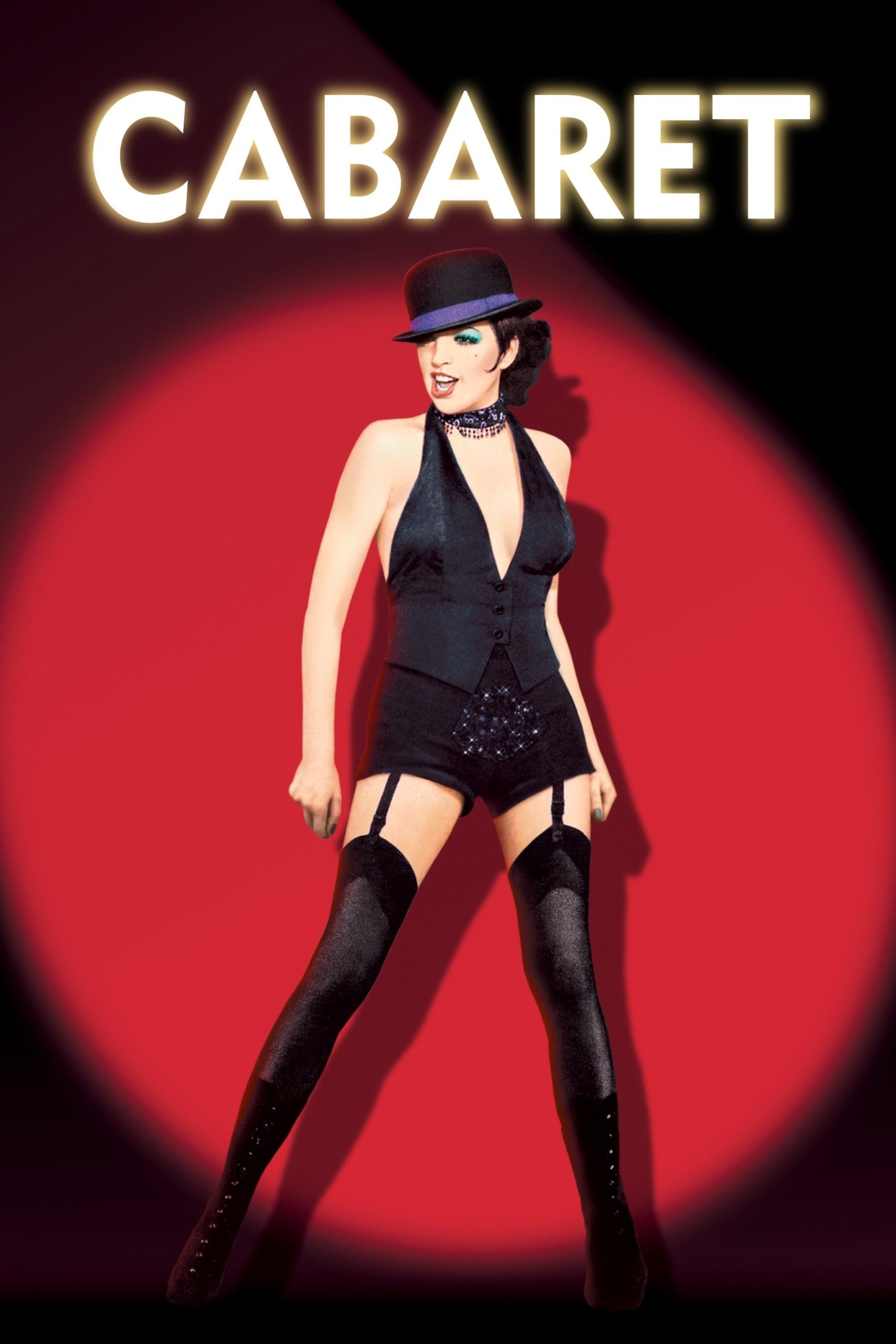
Film Movement Context
The first time I watched Cabaret, I wasn’t prepared for how deeply it would destabilize my expectations of the Hollywood musical. This film, for me, is rooted in the New Hollywood era—a transformative movement that shattered the shiny façade of classic American cinema with a rush of innovation and self-awareness. However, I also see in Cabaret the palpable influence of Weimar Cinema and the Brechtian aesthetics of epic theater, especially in its pointed use of performance as both spectacle and social indictment. When I consider its stylistic lineage, I can’t neatly tuck it into a single box. Instead, I’m reminded that Cabaret embodies the spirit of New Hollywood’s radical experimentation while crystalizing the sharp political lens of German Expressionism and musical theater’s traditions. For me, it’s the quintessential hybrid—at once a child of its own uncertain era and a reflection of cinema’s past gestures toward both decadence and warning.
Historical Origins of the Movement
When I think about how the New Hollywood movement came to be, I always see it as a response to discontent bubbling beneath the surface of American society and cinema in the late 1960s and early 1970s. There was a sense—at least to my eyes—that the movies people once clung to for security and escapism could no longer keep up with the world’s shifting realities. The old studio system was cracking: stories grew restive, heroes more ambiguous, and narrative conventions were upended. Directors—often cinephiles themselves—started experimenting with style, language, and subject matter. Instead of clean-cut icons and packaged optimism, these new filmmakers, including Bob Fosse, courted cynicism and discomfort. For me, this pivot felt inevitable as much as it felt revolutionary.
But Cabaret draws from traditions outside the US, and I would be remiss if I didn’t mention how the German Weimar era and its cinema seep into its DNA. That movement, arising between the world wars, was marked by a nervous energy, an openness to sexual deviance, political subtext, and an anxious questioning of modernity. When I watch the numbers in the Kit Kat Klub, I see clear echoes of Weimar performance—an aesthetic of uncertainty, decadence, and masked critique, all shot through with the alienated spirit of Brecht’s epic theater. There’s no separation between spectacle and message; they blend and bite at each other.
So, when I reflect on Cabaret, I see it as emerging directly out of a convergence of crises. Social upheaval, the collapse of old moralities, and a hunger for a cinema that would, at last, dare to look the audience straight in the eye—these were the catalysts. New Hollywood was about pulling the rug out from under comfortable myths, and Cabaret became one of its sharpest, most gleefully subversive emissaries.
This Film’s Contribution to the Movement
What’s most striking to me about Cabaret isn’t just its embrace of darkness, but the way it weaponizes entertainment as a lens for cultural decay. Fosse’s direction is ruthless. The musical numbers aren’t interruptions or mere set pieces—they’re commentaries, biting and self-aware, and sometimes even suffocating. As I experienced the film, I sensed that every glittery performance in the Kit Kat Klub was shadowed by menace and cheap euphoria. There’s always something rotting beneath the glamour, which I take as the film’s deepest statement about both Berlin on the precipice and America in crisis.
The blurring of diegetic and non-diegetic space is, to me, one of the film’s slyest moves. The action never leaves the touch of the stage; real life is constantly refracted through performance. In terms of New Hollywood’s innovations, this is key. Cabaret throws out the notion of the musical as an engine of escapism, and instead, the performances serve as a kind of brechtian mirror reflecting the rising threat of fascism, the selfishness of survival, and the vulnerabilities of sexual and political experiment. Liza Minnelli’s Sally Bowles is not a plucky ingénue—she’s wounded, wild, and sometimes willfully blind. I find this complexity compelling: characters refuse to resolve into types, and narrative arcs don’t tie back to wholesomeness or hope.
When I compare Cabaret to classic musicals, the difference feels almost violent. This film actively resists catharsis. Its numbers—and its ending—deny closure. The infamous closing shot, where the distorted faces of the audience flicker with Nazi insignia, still hits me in the gut. Here, spectacle is danger, and the relentless party is a shield against—and a warning of—unspeakable disaster. I find Fosse’s use of montage, the cutting rhythm of his edits, and the abruptness of emotional turns to be unmistakably a New Hollywood technique. But by lacing so many of his choices with a Weimar-era fatalism, Fosse manages to advance the movement. He invites—the way only a New Hollywood film can—questions that have no comfortable answers.
I think Cabaret marks a genre evolution, too. Rather than assuming audiences want easy pleasure, the film demands complicity. The musical becomes a haunted house, and I find myself both enthralled and indicted. That’s not just the sign of a daring film; it’s the sign of a movement maturing, growing braver with every note and shadow.
Influence on Later Genres and Films
- The Sober Musical – Redefining Genre Boundaries: The first and most immediate influence I’ve observed is how Cabaret opened a pathway for what I call the “sober musical”—stories that use the genre’s conventions for critical reflection, not simply uplift. I see this in works like All That Jazz and even Moulin Rouge!, which borrow the sense that music and performance can dissect, rather than merely distract from, personal and social crises. This approach, to my mind, completely shifted what musicals could be—now, darkness and irony are fair game. Audiences learned to expect complexity, and I, for one, crave musicals that engage with struggle as much as spectacle.
- Political Allegory and the Historical Lens: My experience of Cabaret is always colored by its use of parable. Fosse transforms 1930s Berlin into a cracked mirror for the contemporary world. I’ve seen this device echoed in films across genres: Chicago uses period setting to critique gendered justice systems, while films like The Lives of Others and The White Ribbon follow Cabaret in interrogating looming authoritarianism by drawing the audience into decadent, dangerous societies. The idea that spectacle can reveal the poison of the moment—instead of distracting from it—feels like a direct inheritance from Fosse’s vision.
- Meta-Narrative and Irony as Emotional Weapons: Finally, I’m continually struck by how Cabaret uses self-aware theatricality as part of its emotional arsenal. Later films—think Birdman, Synecdoche, New York, or even La La Land—approach genre by deliberately exposing their own mechanisms: breaking boundaries between performer and audience, cinema and reality. I see a lineage leading straight back to Cabaret: the “show” isn’t refuge, but revelation. The effect is always slightly destabilizing, as if these films are warning me not to get too comfortable with their surface pleasures. Meta-irony has become not just acceptable, but a vital storytelling tool.
The Movement’s Lasting Impact
I often return to New Hollywood’s legacy with a sense of gratitude and unease. These films opened doors that, once breached, could not be closed: genre became territory for argument and invention, ambiguity replaced certainty, and filmmakers began treating the screen as both mirror and weapon. Cabaret, in my experience, stands at the crossroads of this shift, leveraging the tools of musical theater and political allegory to strip away easy answers. I’ve come to see that the lasting impact of this movement isn’t just aesthetic. It’s ethical. It demands that I look, that I never take entertainment at face value, and that I acknowledge the intertwining of pleasure and peril in cinematic experience. New Hollywood—and the legacies of German Expressionism and Brecht woven through it—made discomfort cinematic. That discomfort, as Cabaret teaches me every time, is the wellspring of cinema’s lasting power to provoke, unsettle, and incite.
To connect style and technique with broader context, you may find these perspectives useful.
🎬 Check out today's best-selling movies on Amazon!
View Deals on Amazon