
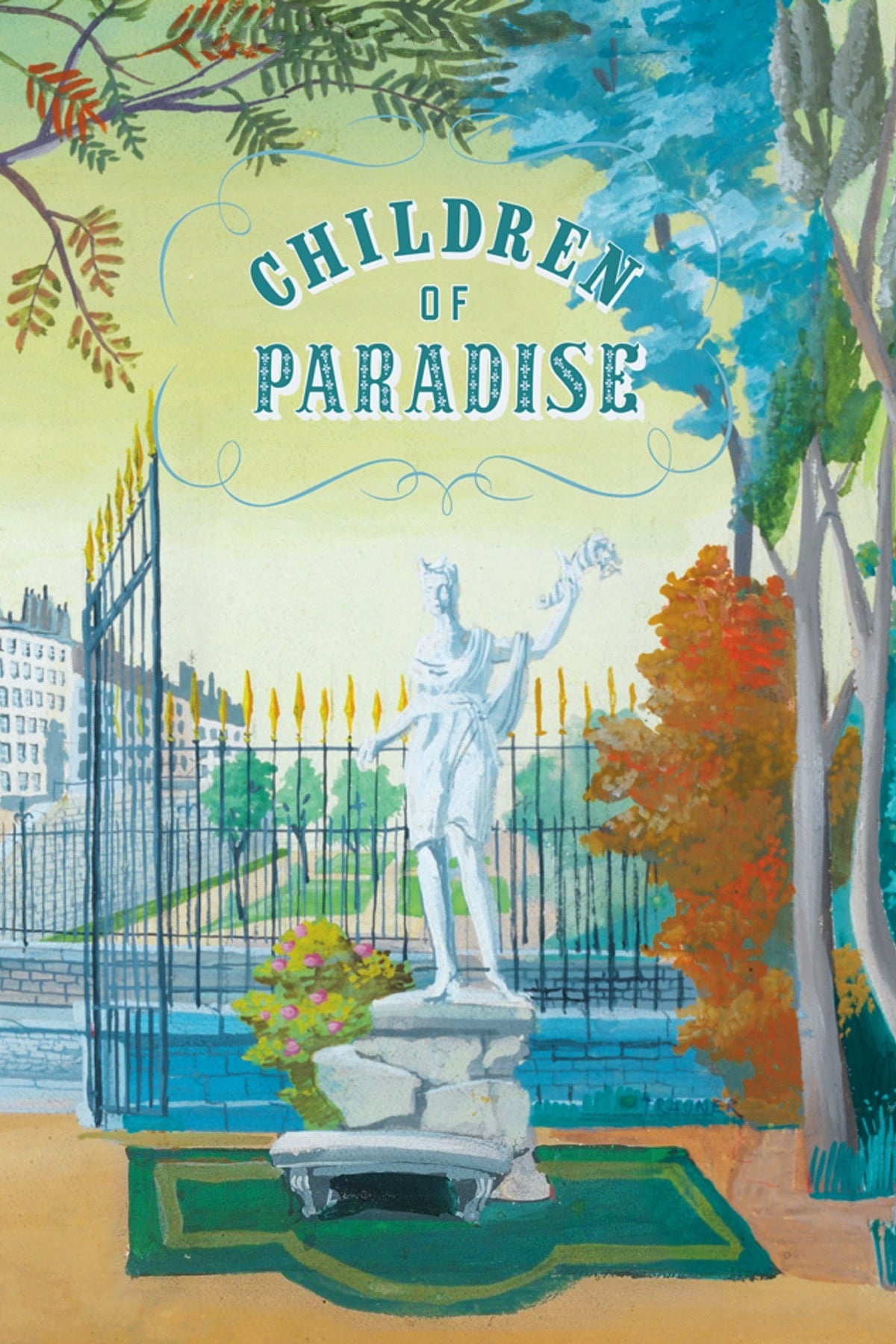
The Genre of This Film
For me, “Children of Paradise” is inseparable from its core as a romantic drama, but more specifically, it stands as a definitive exemplar of the costume melodrama—a genre shaped by lush period settings, emotionally charged storytelling, and sweeping portraits of society. When I first encountered the film, the intensity of passions and the intricacies of personal relationships set against historical backdrops spoke unmistakably to the priorities of melodrama, guided by the conventions of high romanticism. I categorize the film within this genre because its primary currency is the orchestration of desires, heartbreak, and yearning, all filtered through a carefully reconstructed 19th-century Parisian world. The film’s grand scale, focus on irreconcilable love, and emphasis on theatricality strike me as signatures of the melodramatic mode, executed here with a level of craft rarely equaled elsewhere. Costume melodrama, as I see it, is not merely about period accuracy—it’s about using history as a canvas for human emotion at its most heightened, and “Children of Paradise” embodies this more than almost any other film I’ve experienced.
Key Characteristics of the Genre
- Common themes
- When I immerse myself in great costume melodramas, conflicts of love versus duty, the struggle for identity, and the drama of fate feel omnipresent. These films, as I’ve observed, thrive on tensions between personal longing and societal expectation. The genre is especially attuned to transformations of the heart against the pressure of public spectacle, resulting in plots where secret hopes and missed opportunities lead to moments of exquisite pain or joy. Betrayal, sacrifice, and perseverance form the emotional bedrock. I find there’s always a heightened awareness that circumstances—often dictated by class, reputation, or time—conspire against the characters’ happiness, which rings especially true in “Children of Paradise.”
- Typical visual style
- Every time I revisit films in this genre, I’m struck by the lavishness of their visuals. Rich costuming, historically-detailed sets, and painterly cinematography abound. The costume melodrama, as I perceive it, pursues a stylization that both dazzles and immerses. There’s a tendency toward opulent production design: ballets of color and shadow, intricate period fashion, and densely populated scenes that evoke the tumult and splendor of past eras. Lighting, too, tends to be dramatic—mirroring the magnitude of the characters’ emotional lives. I appreciate how these aesthetic choices do more than set the stage; they serve to externalize feeling and reinforce psychological undercurrents. Long, elegant camera moves contribute to the genre’s sense of sweeping scale, something “Children of Paradise” exemplifies.
- Narrative structure
- From my vantage point, the narrative architecture of costume melodrama is shaped by interweaving destinies and elaborate, often cyclical, storylines. Plotting frequently juggles multiple perspectives, giving the audience a panoramic view of intersecting ambitions and desires. I find the genre delights in narrative intricacy: chance encounters, letters, hidden motivations, and reversals of fortune recur as storytelling techniques. Endings generally embrace ambiguity or tragic closure, avoiding easy resolutions—preferring the lingering ache of love disrupted by greater forces. The extended timeline, with years passing and relationships altering, invites me to experience the bittersweet weight of memory and missed connection.
- Character archetypes
- In my eyes, this genre is a showcase for archetypal figures etched in bold relief: the suffering artist, the elusive beloved, the honorable outcast, the jealous rival, the self-sacrificing friend. Each character is larger than life, their hopes and flaws accentuated by the pressures of their historic setting. There’s a characteristic mixture of theatricality and psychological depth—I’m always aware that these figures are performing, both within their social worlds and on the stages that serve as recurring settings. The genre, as I understand it, is fascinated by masks: both literal, as in stage performance, and figurative, as in emotional concealment. No film captures this better than “Children of Paradise,” which pulls back the façade on each role to expose profound vulnerability underneath.
How This Film Exemplifies the Genre
My experience watching “Children of Paradise” often feels like a masterclass in everything that costume melodrama seeks to achieve. The film plunges me into a teeming recreation of the Parisian theater world, a milieu where every glance, gesture, and whispered word carries seismic force. The lover’s triangles and tangled allegiances coursing through the story are, in my estimation, emblematic of the genre’s central preoccupation with longing and impossibility. No matter how many times I return to it, I am swept up by the ballet of chance encounters and bittersweet partings—moments amplified by the film’s devotion to theatrical spectacle and poetic dialogue.
What strikes me most is how “Children of Paradise” manages the spectacle of emotion and display of façade within its richly staged historical context. The characters perform not only for the audiences within the film but for each other, and for me as the viewer. This confluence of realities blurs the line between art and life, a feature that costume melodrama explores with unusual depth here. I’m always aware of the interplay between what is seen and concealed: Baptiste’s silent pining, Garance’s enigmatic allure, Frédérick’s flamboyant egotism—all expressed through gestures as much as words. The style is not just lush for its own sake; it serves the narrative tension, enfolding the audience in the spell of the theater.
I find the film’s visual approach to history crucial as well. The costuming, sets, and even crowd scenes are not simply background dressing—they’re engines of mood, transporting me into another world with an immersive authenticity. This capacity for atmospheric world-building is, for me, one of the hallmarks of the genre and a key reason why the film’s emotional storytelling lands with such force.
What also sets “Children of Paradise” apart, in my analysis, is its embrace of narrative intricacy. The story spans years, following characters through shifting fortunes and evolving relationships. The sense of thwarted destiny and the shadow of fate haunting every interaction remains profoundly moving. I’d argue that the film’s willingness to leave several threads unresolved—to favor a sense of poetic incompleteness—brings the genre’s essence into sharp relief. For me, each character’s attempt to forge meaning or happiness amidst external and internal obstacles reveals the beauty and pain at the heart of costume melodrama.
In sum, every element of “Children of Paradise,” from the grand design to the smallest gesture, strikes me as a celebration of melodramatic tradition—yet never mere pastiche. It’s a film deeply invested in the spectacle of feeling, in the interplay between artifice and authenticity. Watching it, I’m always reminded why the genre matters: its ability to orchestrate life’s grand, unanswerable questions into stories that linger long after the final curtain.
Other Essential Films in This Genre
- La Ronde (1950) – Max Ophüls’ “La Ronde” captures, for me, the slipperiness of desire and the sheer choreography of social interaction that define the costume melodrama’s DNA. The film’s interconnected lovers, moving through a dance of seduction and heartbreak amidst an elegantly recreated Vienna, emphasize all the genre’s favorite themes: fate’s inescapability, the circularity of longing, and the bittersweet flavor of passion out of step with circumstance. The director’s camera seems to glide like a dancer, evoking a world both intimate and grand—a quality that always draws me back to the genre’s best works.
- The Earrings of Madame de… (1953) – I see Max Ophüls’ “The Earrings of Madame de…” as perhaps the high point of romantic melodrama in costume. Its focus on a seemingly trivial possession spinning a web of consequences out of proportion to its material value reflects the genre urge to elevate emotional truths above mere fact. For me, the film’s interplay between social conformity and hidden feeling—rendered in opulent design and heart-stopping camera work—serves as a distillation of the melodramatic ethos. Everything is heightened: the stakes, the gestures, the language, until the heartbreak becomes universal.
- Anna Karenina (1948) – I return often to this classic British adaptation of Tolstoy’s novel as a touchstone of the genre. Its tragic romantic entanglements, lush period visuals, and focus on a woman oscillating between societal roles and individual desire encapsulate what I look for in costume melodrama. For me, the film’s pervading sense of social scrutiny and personal doom highlights both the allure and cruelty that define the genre at its most affecting.
- Les Enfants Terribles (1950) – While a more surreal meditation on adolescence and obsession, Jean-Pierre Melville’s “Les Enfants Terribles” shares, in my opinion, many traits with costume melodrama: emotional maximalism, baroque visuals, and an almost theatrical staging of relationships. The heightened sensitivity of its characters and their struggle for selfhood within claustrophobic settings connect it to a larger tradition of films where overwhelming feeling reigns over rational moderation. Its world feels dreamlike but recognizably anchored in the genre’s preoccupations.
Why This Genre Continues to Endure
I find myself continually drawn to costume melodrama for reasons that go far beyond nostalgia or escapism. There’s an immediacy to the emotional stakes—a sense that love, regret, honor, and hope are being dramatized at their largest, purest scale. The genre endures, in my estimation, because it invites audiences to feel more deeply than most everyday experience allows. When I watch these films, I enter a space where gestures matter, where choices reverberate through decades, and where loss is always tinged with beauty.
The visual sumptuousness of period melodramas is also a significant attractor, at least for me; I value how their crafted settings become a kind of emotional weather, bathing the viewer in light, color, and design. Yet, as much as the genre indulges sensory pleasure, it never shies away from pain or ambiguity. That ongoing interplay between spectacle and suffering feels absolutely contemporary to me, even when the stories themselves are centuries old.
What keeps costume melodrama vital today, in my view, is its willingness to deluge audiences with feeling, to suggest that internal worlds matter as much as—or even more than—external circumstances. The tensions between outward display and secret yearning, public roles and private longings, mirror ongoing human struggles in any era. Every time I encounter the genre—whether through “Children of Paradise” or its many kin—I’m reminded that these stories are not relics, but timeless architectures for making sense of who we love, what we lack, and how we perform ourselves into existence.
If you’re interested in how viewers respond beyond technique, you may want to explore audience and critical reception.
🎬 Check out today's best-selling movies on Amazon!
View Deals on Amazon