Film Movement Context
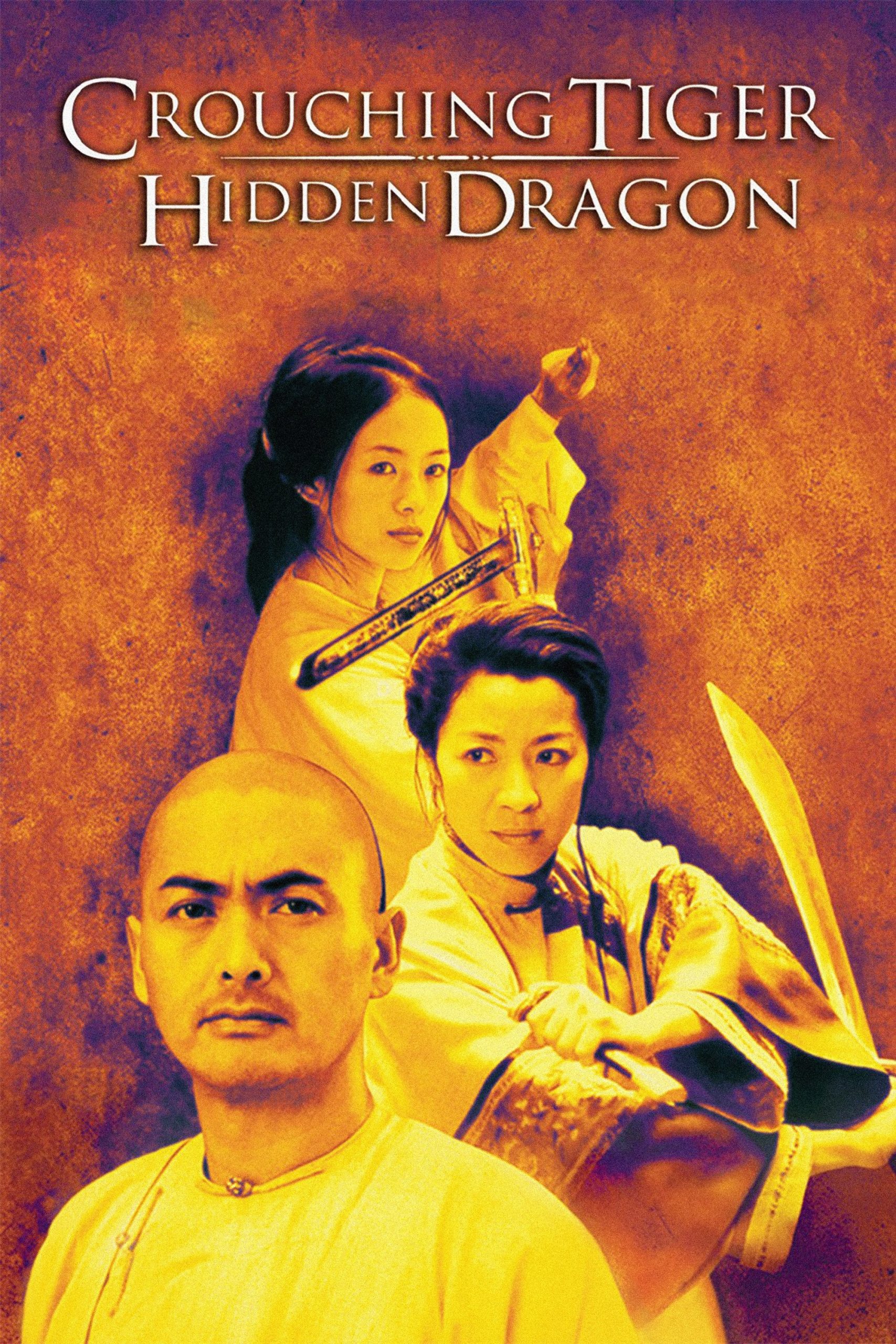
Staring into the dreamlike landscapes of Crouching Tiger, Hidden Dragon for the first time, I felt a palpable sense that I was witnessing much more than a martial arts epic. The film seemed to shimmer with echoes of past traditions, yet it was unlike anything I had seen in Western cinema up to that point. For me, its roots are unmistakably embedded in the Wuxia movement—a long-standing strand of Chinese-language cinema that elevates chivalrous warriors, virtuosic swordplay, and a fluid, poetry-like relationship between action and philosophy. At the same time, I recognize how director Ang Lee imbues the narrative with clear traces of the international art film movement, especially as defined by its embrace of personal expression, cultural hybridity, and visual lyricism. What makes the film stand out in my eyes is its deliberate fusing of these two traditions. It isn’t a mere retelling of folklore or a Westernized action spectacle; it is a revitalization of classical Chinese cinema forms, seen through the lens of global auteur filmmaking.
Historical Origins of the Movement
Reflecting on the origins of the Wuxia movement, I’m always struck by its resilience and adaptability throughout 20th-century Chinese-language film. Wuxia, which translates roughly as “martial heroes,” didn’t spring from cinema but from centuries-old literary roots. When I trace it back, I can see how storytellers across dynasties spun tales of wandering swordsmen guided by codes of honor and a touch of mysticism. Yet, as I see it, Wuxia truly explodes as a cinematic movement in the early to mid-20th century, especially with the emergence of the Shaw Brothers Studio in Hong Kong. Their films, which I see as foundational touchstones, set visual and thematic conventions: balletic sword battles, gravity-defying stunts, and a strong emphasis on inner virtue.
Wuxia arose in response to political turmoil and cultural uncertainty, offering audiences fantasies of order and justice. In moments when real life was marked by upheaval—be it during the Republican era, post-war instability, or the Cultural Revolution—these movies provided both escapism and a coded framework for discussing loyalty, rebellion, and national identity. Over the decades, I notice how the movement absorbed influences from Japanese samurai films, Hollywood Westerns, and eventually the kinetic editing of Bruce Lee-era kung fu movies. It became an ever-evolving tapestry, both mirroring and shaping the hopes and anxieties of its audiences. What excites me most is the way Wuxia continues to mutate, incorporating, resisting, or transforming outside influences while stubbornly retaining its mythic heart.
This Film’s Contribution to the Movement
When I first experienced Crouching Tiger, Hidden Dragon, what electrified me wasn’t just its visual splendor or thrilling battles. It was how Ang Lee managed to reimagine Wuxia for an entirely new generation—both within Asia and globally—without diluting its essence. For me, Lee’s deft blending of myth, melodrama, and meditative rhythms marks a sea change in the movement. His film is an invitation, not just for seasoned fans, but for audiences who may have never even heard the word “Wuxia” before. Every frame is steeped in tradition, but presented with a clarity and emotional directness that feels both timeless and utterly contemporary.
I’m often captivated by how Lee layers each conflict and romance with longing and ambiguity—a far cry from the moral binaries of classic swordplay adventures. The acrobatic battles aren’t purely spectacle; they’re drenched in symbolism, speaking to repressed desires, fears, and yearnings for transcendence. I see the treetop duel between Shu Lien and Jen as an emblem of the movement’s evolution: tradition and rebellion, restraint and indulgence, all suspended between earth and sky.
What moves me most, though, is how Lee foregrounds women in the narrative, elevating their agency and complexity. The emotional terrain is as perilous as any mountain pass, echoing the inner journey at the core of the Wuxia ethos. Rarely before had I witnessed a Wuxia film where so much interiority was granted to its heroines—where emotional suppression became as significant as physical prowess. Through this, I feel the film pushes the boundaries of the movement, inviting deeper questions about gender, power, and the search for self.
Influence on Later Genres and Films
- I saw, almost immediately, how Crouching Tiger, Hidden Dragon transformed global perceptions of what “martial arts cinema” could be. Its impact on Hollywood and international genre filmmaking is unmistakable—directors like the Wachowskis, with their Matrix trilogy, borrowed not just the wire-fu techniques, but the poetic sensibility and spiritual underpinnings. Suddenly, choreographed action sequences became dance-like, focused not simply on violence but on grace and character psychology.
- From my perspective, the film also invigorated the “prestige martial arts” subgenre. Later works, such as Zhang Yimou’s Hero and House of Flying Daggers, as well as Tsui Hark’s revitalized Detective Dee adventures, seem deeply indebted to Lee’s willingness to blend high art with genre material. I feel these directors learned that lush production values, ambitious color palettes, and thoughtful scriptwriting could coexist with sword-swinging spectacle—broadening both audience expectations and the visual vocabulary of martial arts films.
- On a more personal note, I notice how Ang Lee’s film accelerated the integration of Asian actors, stories, and production teams into Western markets. After its success, there was a visible shift in the acceptability—and even desirability—of cross-cultural filmmaking. The careers of stars like Michelle Yeoh and Zhang Ziyi, who would go on to international acclaim, are indelibly shaped by the film’s breakthrough. To this day, I sense its influence in the much greater openness to pan-Asian collaborations and in how transcultural narratives are told.
The Movement’s Lasting Impact
Reflecting on why Wuxia, and by extension films like Crouching Tiger, Hidden Dragon, still matter to me, I’m struck by the sheer poetic ambition underpinning the movement. These works aren’t just about heroes and villains, but about the tension between freedom and duty, love and restraint, the spiritual and the corporeal. Watching Ang Lee’s reimagining, I am reminded of how the best Wuxia films function as moral allegories, emotional crucibles, and expressions of aesthetic innovation—all at once. The movement’s continued resonance is, for me, a testament to how genre traditions can be simultaneously local and universal: rooted in folk wisdom and historical trauma, but wide open to new voices, new hybridities, and bold visual experimentations.
In an era of endlessly recycled blockbusters, I find the spirit of Wuxia—its willingness to balance tradition with transformation, to risk stylization in pursuit of emotional truth—inspiring and necessary. Crouching Tiger, Hidden Dragon remains a landmark because it dares to bridge continents and sensibilities, inviting me and countless others into a world where gravity loosens its hold and the heart takes flight. This, for me, is why the movement endures—and why I return to it whenever I seek cinema that is at once exhilarating and soulfully profound.
To connect style and technique with broader context, you may find these perspectives useful.
🎬 Check out today's best-selling movies on Amazon!
View Deals on Amazon