The Genre of This Film
Every time I revisit E.T. the Extra-Terrestrial, I’m swept up anew by the sense of childlike perspective and awe that permeates nearly every scene. To me, this film inhabits the science fiction genre at its core, yet it’s the very tone and emotional substance that redefines what ’science fiction’ meant for a new generation. While outer-space visitors are a staple of cinematic sci-fi, I never felt E.T. was only about interstellar visitors and scientific wonder—it’s science fiction not because of its visual effects or cosmic premise, but because it channels the possibilities and anxieties of encountering the unknown. The way the film’s adventure is filtered through the trusting, imaginative eyes of children somehow reawakens the classic genre with sweetness and intimacy. Whenever I try to place E.T. in a box, it’s the science fiction label that feels the most accurate based on its central conceit: a being from another world colliding with the everyday realities of suburban Earth.
Key Characteristics of the Genre
- Common themes
- Typical visual style
- Narrative structure
- Character archetypes
For me, the beating heart of science fiction lies in its constant interrogation of what it means to be human, its visions of technology, and its capacity to externalize fears, dreams, and hopes through speculative possibilities. The genre’s stories often toy with first contact—how humanity reacts, resists, or embraces the “Other.” This typically encompasses not only extraterrestrials but also questions about our relationship to technology, evolution, and progress. I see frequent motifs around isolation, identity, and belonging; often, the presence of alien life is just the catalyst for much deeper explorations of empathy, curiosity, or even the dangers of unchecked scientific advancement. Environmental concern and commentary on government or institutional authority are common threads I notice woven throughout many science fiction narratives.
When I think about the look of classic science fiction, I picture effects-driven imagery that stretches what cinema can make us believe. Yet, there’s real diversity—a film might use clinical, futuristic set design, with sharp lines, sterile lighting, and gleaming metal (evoking a world of rationality and technological prowess), or it may opt for otherworldly, organic visuals that suggest strangeness and wonder. Science fiction films often revel in the tension between ordinary environments and extraordinary phenomena—streetlights illuminating hovering spacecraft, familiar living rooms sheltering unbelievable visitors. Color palettes tend toward cool tones, punctuated by bursts of alien color or glowing technology. Special effects, whether practical or digital, often exist not just for spectacle but to immerse viewers in a believable alternate reality. Wide shots and point-of-view angles heighten the sense of scale and the protagonist’s perspective, which I find especially compelling when it’s from a child’s vantage.
Most frequently, science fiction narratives start by grounding viewers in a recognizable reality before rupturing it with a sudden incursion of the unknown. What stands out to me in these structures is their use of inciting incidents—close encounter moments, unexplained events, or shocking discoveries—that spark a chain reaction propelling the characters into uncharted territory. Conflict is almost always intrinsic, either between human and alien, human and technology, or even human and self, responding to new circumstances with fear, curiosity, hope, or skepticism. Many science fiction plots build toward both existential and personal revelations, moving from discovery to confrontation and, often, to awe or transformation. The genre has a habit of looping back to its beginnings—restoring balance, but never quite eradicating wonder or change.
The classic archetypes that populate science fiction are usually easy for me to recognize: the open-hearted innocent (often a child or outsider) offers receptivity to the unknown; the skeptical adult or authority figure embodies the instinct to preserve normalcy and control; the misunderstood alien or robot reflects humanity’s hopes and anxieties; the scientist stands at the crossroads between progress and caution. There are also the protectors—the characters who take it upon themselves to help or harbor the Other, frequently risking safety and acceptance. What I love is that science fiction’s character types often function as emotional or philosophical stand-ins, exploring the full range of human responses to the unfamiliar. They’re mirrors, cautions, and sometimes, beacons illuminating the complicated interplays between fear and empathy.
How This Film Exemplifies the Genre
For me, what sets E.T. the Extra-Terrestrial apart as a defining example of science fiction is not just the fact of E.T.’s alien origins, but how skillfully the film uses genre conventions to tap into a very real, very human pulse. The film’s emotional resonance, framed by the scientific and extraordinary, crashes open the genre’s heart in a way I find both accessible and transcendent. Unlike colder, more clinical science fiction fare, Spielberg’s vision roots the alien encounter in suburban backyards, childhood bedrooms, and the anxieties of broken families. I feel as though the speculative “what if?” of science fiction is realized through the most mundane—yet profound—spaces.
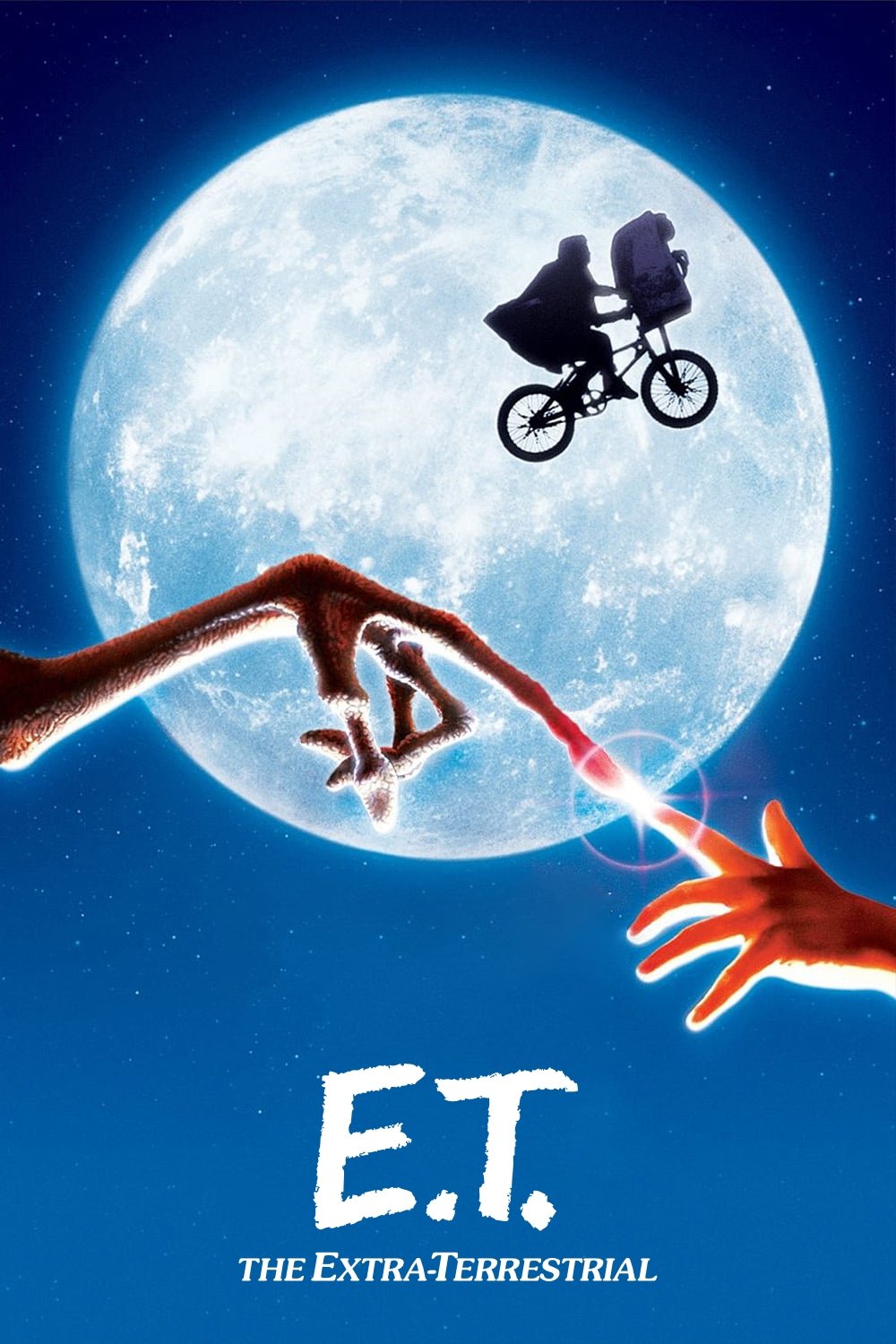
The film’s thematic focus on empathy, fear, and longing for connection feels so closely tied to science fiction’s most enduring questions. The moment of first contact isn’t just about impressing the audience with effects or spectacle; it’s about vulnerability—on both sides. I’m always taken with how Elliott, the key child protagonist, and E.T. develop a psychic and emotional bond that literalizes the science fiction exploration of “meeting the Other.” This connection isn’t examined clinically; it’s experienced, with every triumph and heartbreak tinged by the delicate terrors of childhood. The film’s visual style, filled with soft lighting, glowing spaceship interiors, and the iconic silhouette of a boy and alien against a moonlit sky, echoes classic science fiction while adding a distinct warmth and familiarity. The ordinary is made magical, and the impossible is rendered intimate.
There’s also a tension in E.T. that I always associate with science fiction—the conflict between understanding and fear, between authority and innocence. Government agents, shadowed and distant, serve as the externalized manifestation of institutional anxiety over the unknown—the classic genre tension between progress and control. I find the film uses archetypes not merely as plot necessities but as vehicles for genre classicism: Elliott as the innocent receptacle of wonder, the government adults as those locked into skepticism, E.T. himself embodying the possibility and fragility of encountering something truly new. Even the narrative structure, which moves swiftly from discovery to problem-solving to heart-stopping chase and, ultimately, to bittersweet farewell, follows the genre blueprint but refracts it through a lens of emotional urgency and personal growth rather than cold extrapolation.
Every time I watch E.T., I feel that uniquely science fiction sense of looking up at the stars and seeing, not just vastness, but hope and longing written there. For me, this is where E.T. stands as a beacon within the genre: using science fiction elements not for abstraction or dazzling speculation alone, but as a deeply personal, emotional canvas for human growth, loss, and understanding.
Other Essential Films in This Genre
- Close Encounters of the Third Kind – Spielberg’s earlier exploration of extraterrestrial contact strikes me as a seminal science fiction journey into humanity’s yearning for communication with the unknown. It shares E.T.’s sense of awe but probes deeper into adult skepticism and obsession, using unforgettable visual iconography and a more adult-oriented sense of mystery.
- The Day the Earth Stood Still – This 1951 classic has always fascinated me for its calm, philosophical approach to the arrival of an alien messenger. Its plot uses an “outsider comes to Earth” setup to grapple with Cold War fears and ethical questions, reflecting science fiction’s obsession with the consequences—positive and negative—of cosmic encounters.
- Starman – John Carpenter’s film has a gentler rhythm that I associate closely with E.T.’s blend of science fiction and heartfelt emotion. The story of an alien assuming human form and finding love on Earth invites viewers, as I see it, to ponder vulnerability, empathy, and the limits of understanding—essential elements in the genre’s repertoire.
- Arrival – This more modern entry shows how science fiction can evolve while keeping its thematic hallmarks. When alien visitors require humans to reevaluate language, perception, and connection, I feel the genre’s fascination with transformation and communication pushed to striking new heights.
Why This Genre Continues to Endure
I’ve always believed that science fiction’s real strength lies in its boundless capacity for reflective imagination. The genre endures, in my view, because it never stops asking the most urgent questions about the nature of existence, the future, and our place in a rapidly changing world. Whether I’m watching films from the hopeful mid-century era or grittier, more skeptical recent work, I’m constantly reminded that we use science fiction as a kind of mirror. It allows us to safely explore anxieties about technology, power, loss, isolation, and a dozen other forces reshaping our lives, all while stoking wonder and possibility.
Audiences like me—and I suspect, many others—are continually drawn to the genre’s ability to make the impossible tangible and the alien understandable. Watching ordinary characters respond to the extraordinary, I see my own fears and dreams reflected, and it never fails to move me that science fiction, for all its speculative license, is ultimately about our search for meaning, contact, and recognition. E.T. may have arrived in the heyday of practical effects and Cold War unease, but its vision is timeless: every age grapples with what it means to be open to newness, to trust, and to belong. That’s the promise science fiction has always made—and in my experience, it’s a promise it will keep for generations to come.
If you’re interested in how viewers respond beyond technique, you may want to explore audience and critical reception.
🎬 Check out today's best-selling movies on Amazon!
View Deals on Amazon