The Genre of This Film
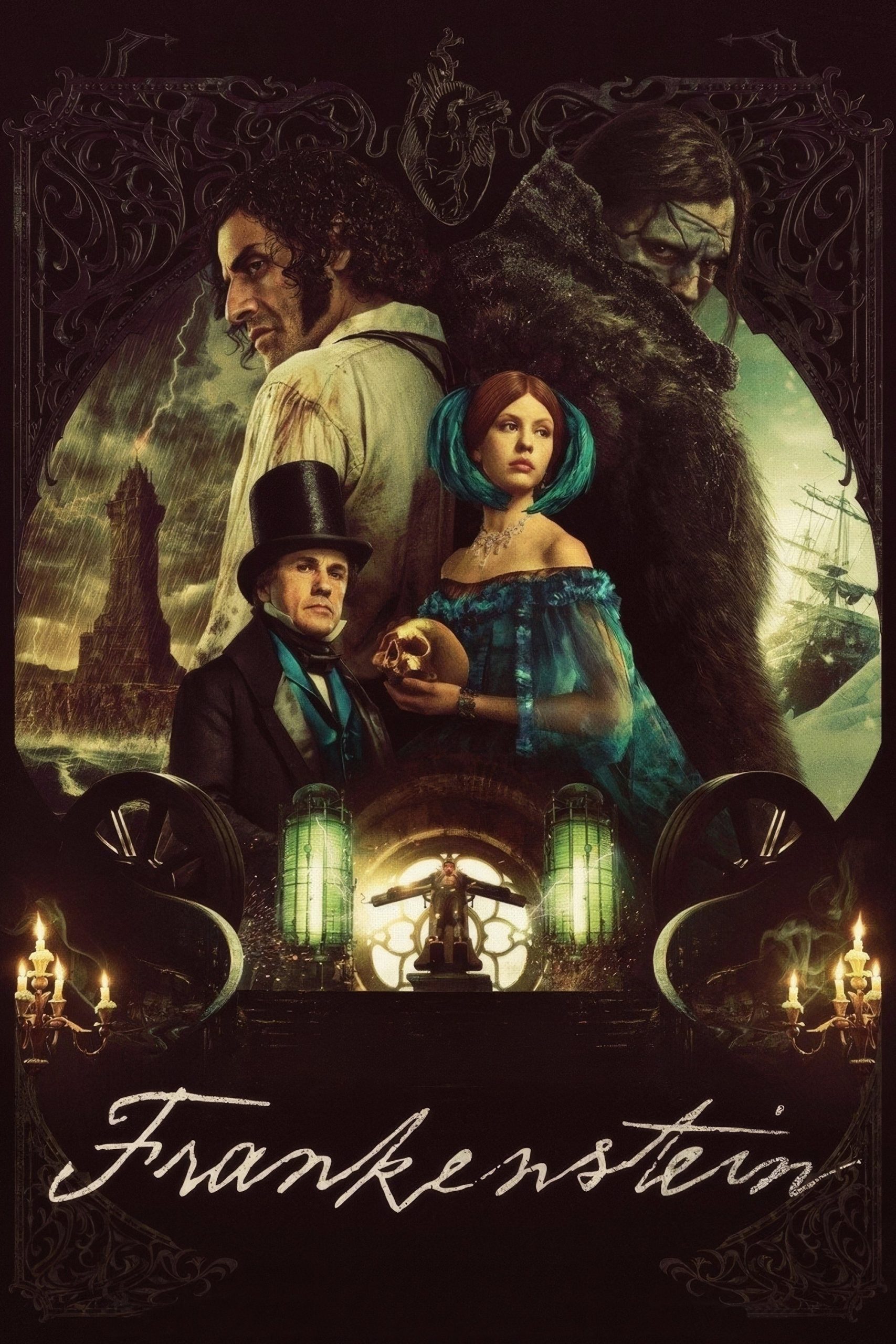
When I first encountered “Frankenstein” from 1931, I was immediately struck by its chilling atmosphere, and I have never been able to shake the sense of unease that it awakens. If you ask me which genre truly defines this film, I will answer without hesitation: “Frankenstein” is a cornerstone work in the classic horror genre. While there are whiffs of science fiction in the premise, all my instincts as a student of cinema tell me that the core of this movie is pure horror. The story unsettles, haunts, and pries into taboo fears—mankind’s tampering with nature, the unpredictable consequences of transgression, and the spectacle of the monstrous “other.” Whenever I watch “Frankenstein,” I don’t merely see it reflecting the anxieties of its time; I see it channeling all the primal components that define horror as a genre: unspoken terrors, the darkness lurking behind scientific progress, and the boundary between creator and creation turned upside down.
Key Characteristics of the Genre
- Common themes: In my experience, horror—and specifically early horror—tends to fixate on themes of forbidden knowledge, the monstrous, and the fragility of humanity. Films like “Frankenstein” (and those it inspired) repeatedly return to questions of what it means to be human, what lines should not be crossed, and the cost of hubris. I always notice motifs of science gone awry, the monstrous returning to haunt its maker, or society reacting violently to what it cannot understand. Fear of the unknown, the consequences of overreaching ambition, and societal rejection are thoroughly woven through these narratives.
- Typical visual style: Every time I revisit classic horror films, I’m reminded how foundational their visual style has become to our shared conception of fear. Low-key lighting is a hallmark, bathing sets in shadow and heightening the sense of menace—“Frankenstein” uses those black, inky contrasts almost like another character, crafting a perpetual sense of dread. I always pay attention to the stylized set design: looming, cavernous laboratories; sharp, angular staircases; and the uncanny blend of realism with the grotesquely exaggerated. The dramatic use of shadows, flickering candlelight, and creaking, wind-filled settings intensify that haunting effect and mark the genre unmistakably.
- Narrative structure: In my study of early horror, I’ve consistently found a structure anchored on slow, deliberate buildups—never rushing the emergence of terror, but letting it simmer beneath the surface. Stories often begin by establishing a normal world, only to disrupt it with the intrusion of the unnatural or uncontrollable. The plot typically arcs toward escalating consequences: small disturbances give way to community-wide panic or tragedy. The end seldom offers neat resolution—instead, it often leaves me unsettled, reflecting on the price paid for hubris or the deep wounds inflicted by fear and misunderstanding.
- Character archetypes: What always fascinates me in horror is the recurring presence of certain types: the doomed but ambitious scientist (think Dr. Frankenstein), the innocent victims, the skeptical townsfolk, and—most memorably—the monster, often misunderstood and tragic. I’m struck by how this genre so rarely deals in simple evil; rather, it frequently invests the monstrous figure with complexity, even vulnerability. There’s always an interplay between pursuer and pursued, authority and outcast, the “civilized” and the “other.” These archetypes don’t just drive the plot; they invite me as a viewer to question rationality, compassion, and what it means to be human or monstrous.
How This Film Exemplifies the Genre
Every time I sit down to watch “Frankenstein,” I’m drawn into a masterclass in horror’s essential ingredients. James Whale’s direction creates such a thick, oppressive atmosphere that I feel tension mounting before a word is spoken. For me, the film’s visual language is horror distilled: monumental sets that dwarf the characters, angular laboratories bristling with mysterious equipment, and a world where light rarely reaches the corners. Karloff’s portrayal of the Monster is not merely frightening; it’s filled with pathos, making me ache for him even as I shrink from his violence. That duality—fear mingled with empathy—is what, in my eyes, defines the best horror.
Every scene throbs with unease: thunder crashes as Dr. Frankenstein yells “It’s alive!,” metal instruments glint ominously, and shadows swallow the faces of the onlookers. I’ve always loved the way “Frankenstein” withholds easy answers—the Monster is neither entirely villain nor victim, and Dr. Frankenstein is torn between guilt and denial. The film doesn’t simply present a boogeyman; instead, it poses a challenge: what if the thing we fear most is the child of our own ambition?
It’s hard for me to overstate how influential the film’s structure has been on my understanding of horror. The deliberate pacing lets dread build until it tips into terror; the narrative provides both individual and collective responses to the nightmare unleashed by forbidden science. There’s an unrelenting tension between the isolated horror of the lab and the anxious, torch-carrying villagers—a motif I see echoed in so many genre descendants. The ending refuses comfort, leaving me awash in uncertainty about whether the threat is truly over or simply biding its time. That lingering disquiet, that sense that something calculated and dark has been set loose, is the essence of horror as I know it.
Other Essential Films in This Genre
- Dracula (1931) – To me, “Dracula” achieves a similarly foundational status in horror cinema, establishing the genre’s grace note of dread wrapped in sophistication. Bela Lugosi’s immortal performance casts vampirism as both alluring and unknowable—a monster in human skin, gliding through candle-lit castles. Every time I rewatch it, I’m attuned to the way the film combines refined elegance with primal menace, cementing the horror archetype of the seductive predator and showing how fear can be as much psychological as physical.
- The Bride of Frankenstein (1935) – I can never talk about genre-defining horror without mentioning this sequel. It has a strange beauty that deepens everything “Frankenstein” introduced. The visual style is grander, the stakes are higher, and the blend of pathos and terror even more pronounced. When I view it, I’m especially taken by how it expands the notion of the monster as object of pity and reflection—layering on elements of social satire and dark comedy while never losing the sense of eerie foreboding. It widens the emotional palette of horror for me in surprising ways.
- The Wolf Man (1941) – This film always resonates with me as a template for horror’s fascination with inner torment and transformation. Watching Lon Chaney Jr. dissolve from tortured man to bestial wolf offers a vivid metaphor for the monstrous within us all. I’m captivated by how the misty forests, the impending sense of doom, and the themes of uncontrollable fate and ostracism all reinforce the genre’s central motifs.
- The Invisible Man (1933) – What stands out to me here is how horror gets refracted through the lens of science gone irretrievably wrong. The unsettling spectacle of a man losing his grip on both sanity and corporeal form is rendered with both technical bravura and psychological insight. James Whale’s adaptation, with its snaking bandages and translucent footprints, maintains the same shudder of unease I feel in “Frankenstein”—reminding me that horror thrives on showing the limits of perception and control.
Why This Genre Continues to Endure
Looking back over decades devoted to the examination of classic horror, I’m always amazed at the genre’s staying power—not only in enduring icons like “Frankenstein,” but in the new waves of terror that ripple through contemporary culture. For me, the reason is deeply rooted in how horror provides a kind of emotional laboratory: a place where suppressed fears, cultural anxieties, and questions about power and morality can surface. I’ve seen audiences return, generation after generation, because these films don’t simply scare; they galvanize, unsettle, and provoke reflection. Every time I watch a classic like “Frankenstein,” I’m reminded that horror allows us to rehearse the encounter with the unknown—and, by doing so, perhaps gain a measure of control over it.
There’s something magnetic, for me, about the ritual of being frightened in a safe space. Sharing in the tension, the gasps, the squirm-in-your-seat discomfort, invites a collective reckoning with our deepest taboos. I’m continuously struck by how flexible horror proves to be. The earliest films may have conjured their monsters by flickering candlelight and fog, but the currents of anxiety—about technology, about difference, about life and death—never lose their resonance. I think the genre endures because it evolves alongside our own unconscious terrors, providing a reflection that is both distorted and painfully honest. In “Frankenstein,” I don’t just see a monster; I see us, trembling at the threshold of our own creations.
If you’re interested in how viewers respond beyond technique, you may want to explore audience and critical reception.
🎬 Check out today's best-selling movies on Amazon!
View Deals on Amazon