
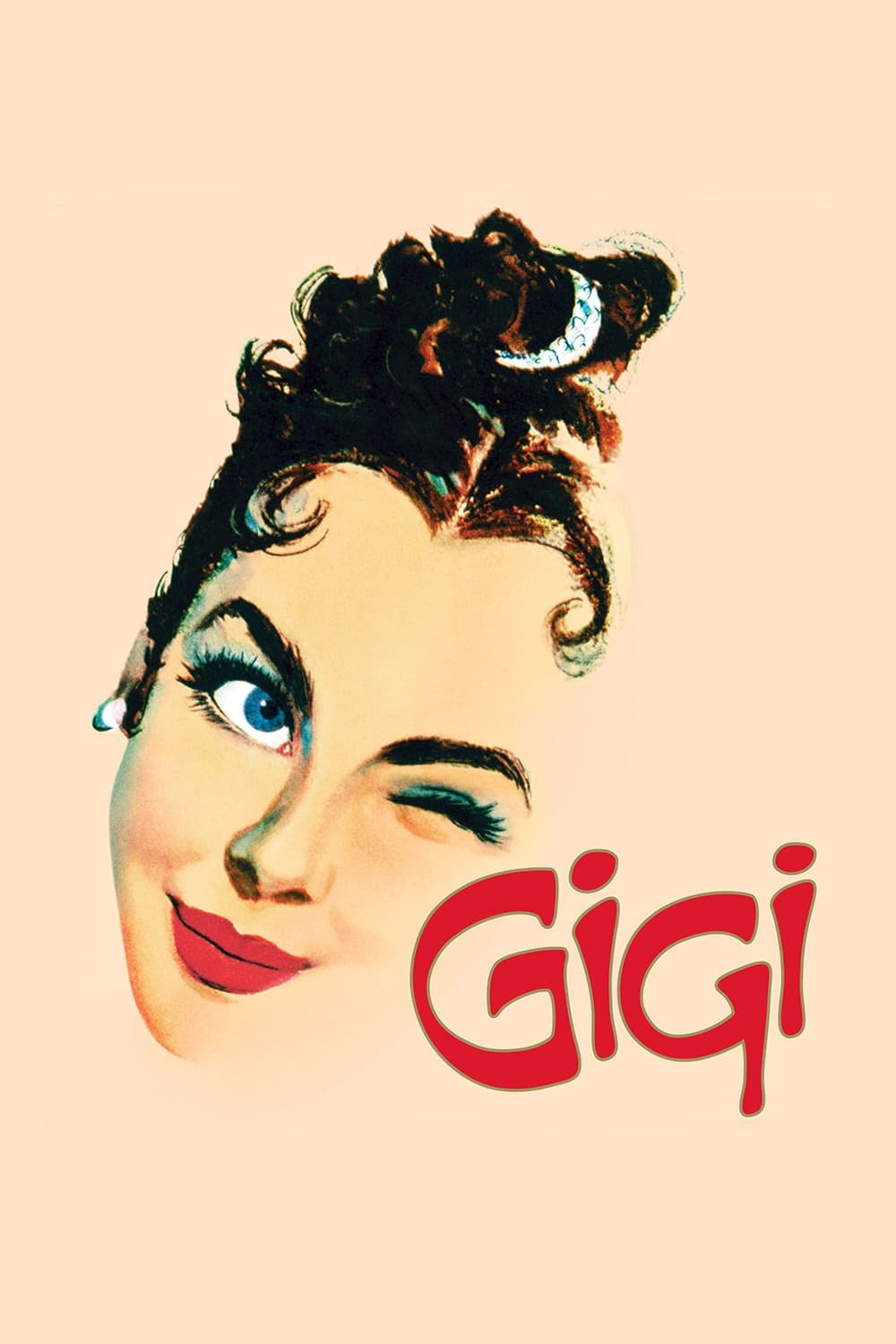
The Genre of This Film
When I first encountered “Gigi,” released in 1958, its buoyant energy and opulent Parisian atmosphere left me certain I was watching a quintessential musical romantic comedy. What sets “Gigi” apart from so many films of its time is how skillfully it blends lighthearted romance, witty musical numbers, and a frothy, effervescent spirit peculiar to its genre. While it borrows freely from lavish period pieces and hints at the social satire common to romantic comedies, I immediately recognized it as a musical at heart—one that relies on song and choreography not merely as embellishments, but as the primary vessel for emotion and storytelling. I find it difficult, perhaps even impossible, to separate “Gigi” from its musical genre roots, a genre that delights in stylized performances, well-choreographed set-pieces, and the irresistibly theatrical journey from misunderstanding to love. For me, the film’s escapism, flamboyant costuming, and playful romantic entanglements are unmistakably rooted in the musical romantic comedy tradition.
Key Characteristics of the Genre
- Common themes
- In my experience, musical romantic comedies like “Gigi” typically immerse themselves in themes of self-discovery, social expectation, and the transformative possibilities of love. I notice how these stories tend to revolve around individuals navigating societal boundaries and testing the familiar rules of romance. There is often a delightful tension between tradition and personal happiness, and an insistence—through song and spectacle—that even life’s complications can be faced with optimism and humor.
- Typical visual style
- Every time I watch a musical of this period, I’m struck by the lushness of the visuals: dazzling costumes, elaborate set design, and a color palette polished to a glamorous sheen. “Gigi” in particular bathes its audience in Belle Époque splendor: gilded drawing rooms, manicured gardens, and Parisian boulevards teeming with period detail. The camera, as I see it, often dances alongside the cast, following the rhythm of the story and the exuberance of the songs, never afraid to linger on a graceful movement or a perfectly framed tableau.
- Narrative structure
- One of the genre’s defining traits I always notice is its classic three-act structure, designed for maximum emotional payoff. The narrative typically introduces the central protagonists against a backdrop of societal expectations, carries them through a series of misunderstandings, obstacles, or comedic mishaps, and crescendos with a joyful musical resolution. Songs punctuate pivotal moments rather than appearing at random, deepening the emotional charge of milestones and revelations. Instead of external threats, the real conflict is often internal—will these characters accept their individuality and desires, or be shackled by convention?
- Character archetypes
- When I think of musical romantic comedies, a gallery of archetypes springs to mind. There’s often the naive ingenue whose innocence disarms everyone she meets; the charming but world-weary love interest who slowly discovers vulnerability; the wise, comedic confidant who acts as a sounding board and, frequently, a source of wry commentary; and a collection of eccentric relatives or friends who push or pull the leads towards their inevitable union. These types, in my view, ground the whimsy of the genre and offer audiences familiar footholds within the narrative’s swirling spectacle.
How This Film Exemplifies the Genre
Every time I revisit “Gigi,” I’m reminded why it remains a fixture in discussions of the classic musical romantic comedy. The genre lives and breathes through the film’s melodic structure; each musical number feels integral, not tacked on, and the entire story seems choreographed around them. I am always especially charmed by how “Gigi” uses its songs—lighthearted yet slyly subversive—to both lampoon and affectionately honor the codes of turn-of-the-century Parisian society. I find the themes resonate just as strongly today: Gigi’s journey from wide-eyed adolescence to self-assured adulthood becomes, in the context of its era, a subtly radical invitation for the young heroine (and audience) to embrace autonomy and love on her own terms.
For me, the visual presentation alone cements “Gigi” as a genre exemplar. The film luxuriates in musical flourishes, punctuating sumptuous visuals with choreography and ensemble movement that feels organic to each scene. I can never separate the spectacle of swirl-skirted dancers and meticulously decorated ballrooms from the emotional undercurrent running through the story. The protagonists—Gigi herself, with her blend of innocence and burgeoning self-confidence, and Gaston, who must unlearn his world-weary detachment—mirror the essential romantic dynamic I expect from the genre.
There’s an undeniable playfulness running throughout the film, evident in the saucy banter between Maurice Chevalier’s Honore and Hermione Gingold’s Madame Alvarez. I love how these secondary characters, brimming with winking experience and wisdom, ensure that the story’s more serious themes are always leavened with humor and perspective. As I see it, that balance—of sparkling surface and earnest emotion—is what makes the genre enduringly entertaining, and “Gigi” achieves it at every turn. The outcome may seem predetermined to seasoned genre fans, but I’m always surprised by how the journey there, packed with wit and memorable melodies, never feels rote.
Other Essential Films in This Genre
- “An American in Paris” (1951) – I see this film as a dazzling example of the musical romantic comedy, where romance, art, and exuberant song intertwine within a sunny, idealized version of Paris. Gene Kelly’s athletic dance numbers, especially the extended ballet finale, encapsulate how music and movement can drive both narrative and emotion. The themes of love, discovery, and the tension between dream and reality echo the genre’s best traditions.
- “My Fair Lady” (1964) – Every time I watch “My Fair Lady,” I’m struck by its lush pageantry and satirical sense of humor. The story of Eliza Doolittle’s transformation, propelled by witty dialogue and unforgettable Lerner and Loewe songs, demonstrates how the genre employs melody to chart personal growth and romantic misalignment. Audrey Hepburn’s portrayal of Eliza is the quintessential musical ingenue—vulnerable, determined, and irresistible.
- “Singin’ in the Rain” (1952) – No conversation about musical comedies feels complete to me without this film. I think of how it layers self-referential humor atop joyous performance, dissecting Hollywood mythmaking while simultaneously indulging in its pleasures. The comedic archetypes—the earnest lead, the zany sidekick, and the scene-stealing diva—remain touchstones in the genre, and the iconic numbers still amaze with their inventiveness and energy.
- “The Band Wagon” (1953) – For me, this film’s backstage antics, playful dialogue, and show-stopping dance numbers reveal the genre’s enduring wit and creative ambition. Fred Astaire’s world-weary performer finds new purpose through collaboration and romance, a motif I recognize as central to musical comedies—a belief that inspiration and transformation are never far apart, especially when shared in song.
Why This Genre Continues to Endure
I often reflect on why musical romantic comedies like “Gigi” still resonate with audiences after so many decades. For me, it goes beyond mere nostalgia or spectacle, although both elements undoubtedly play a role. The genre’s inherent optimism—the idea that life’s setbacks can be danced away, and that love remains a possibility even for the disabused or disillusioned—offers a comforting escape from daily realities. In watching “Gigi,” I sense the joy that comes from seeing characters discover not only romance, but self-worth and agency in the process.
There is also the element of communal joy that musical numbers evoke. When I hear a memorable chorus or see characters swept up in dance, it’s hard not to feel included in the celebration, transported out of my seat and into the story’s world. The genre invites its viewers to share in its exuberance; the simple act of collectively experiencing a musical sequence creates a connection that lasts long after the credits roll.
I believe too that the enduring power of the musical romantic comedy lies in its capacity to both charm and satirize. “Gigi” manages to gently poke fun at social conventions while celebrating the ways in which people defy them in pursuit of happiness. This balancing act—honoring tradition but ultimately rooting for the individual—continues to feel fresh and relevant. The genre’s embrace of spectacle, song, and straightforward emotional storytelling transcends the fashions of any particular era. Whenever I introduce a new audience to a film like “Gigi,” I’m always delighted to see the same spark of delight I felt on my first viewing—proof that the genre’s magic endures, generation after generation.
If you’re interested in how viewers respond beyond technique, you may want to explore audience and critical reception.
🎬 Check out today's best-selling movies on Amazon!
View Deals on Amazon