
Film Movement Context
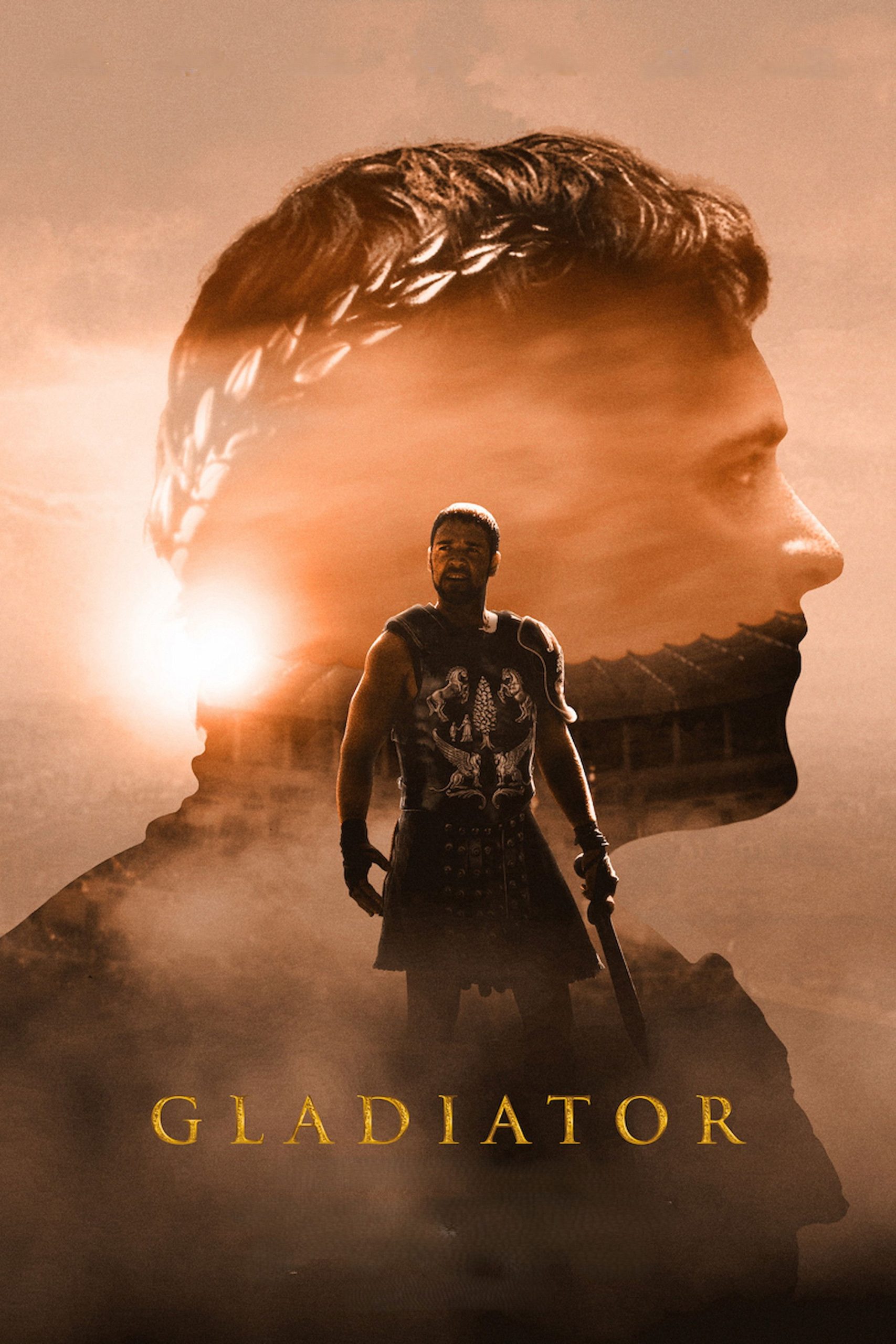
Something gnawed at me the first time I watched “Gladiator”—a feeling that I wasn’t just witnessing an epic historical spectacle, but also a powerful convergence of tradition and reinvention. For all its visceral Roman bloodletting, the film felt absolutely modern in its sensibilities, yet rooted in the ancient soil of classical Hollywood narrative. In my view, “Gladiator” exemplifies the Neo-Epic movement—a revival and dramatic reshaping of the historical epic that surfaced at the turn of the millennium. I consider it a watershed moment where the spirit of 1950s sword-and-sandal classics collided with the aesthetics and existential questioning of post-1970s cinema. Watching Russell Crowe’s Maximus stride through blood-soaked arenas, I recognized echoes of Hollywood’s golden age epics like “Ben-Hur” and “Spartacus.” Yet, what sets “Gladiator” apart for me is how directly it channels New Hollywood’s darker, angrier energy, infusing its grandiosity with a modern skepticism. It’s this hybridization—nostalgic, but unflinchingly contemporary—that solidifies the film’s place within the Neo-Epic tradition, as well as within the long arc of historical genre evolution.
Historical Origins of the Movement
I’ve long been fascinated by the seismic shifts that reshape film genres, and the historical epic is no exception. The original cycle of epics peaked in mid-century Hollywood, when audiences flocked to cinemas for Technicolor pageantry and grand moral clarity. Films like “The Ten Commandments” and “Cleopatra” flourished in the postwar years, projecting Western ideals onto the vast canvases of ancient Rome, Egypt, and Jerusalem. Yet, by the late 1960s and 1970s, these epics seemed outdated—too earnest for a culture grappling with social upheaval and loss of faith in institutions. Their decline was hastened by ballooning budgets and changing audience tastes, shifting the market toward more intimate or subversive fare like “Easy Rider” and “Taxi Driver.”
What kindled my interest in “Gladiator” is how it emerged over three decades later, at a moment when digital effects and changing distribution revived the potential for spectacle. The 1980s and 1990s had witnessed a renaissance in genre experimentation—a swirl of revisionist westerns, gritty war movies, and fantasy blockbusters. Yet, the historical epic, with its focus on ancient civilizations and operatic dilemmas, had been largely dormant. I remember feeling an aching cultural nostalgia for old-school grandeur, mixed with a postmodern hunger to probe ideology and trauma beneath the marble surfaces of history.
By the late 1990s, I sensed that audiences were once again primed for narratives that combined mythic scale with bleak psychological intensity. Directors like Ridley Scott, armed with new cinematic technologies and influenced by the moral complexity of ‘70s auteurs, seized this chance. “Gladiator” thus marks, for me, a rebirth of the historical epic as a Neo-Epic: self-aware, haunted by loss, and unafraid to question the political and personal casualties of empire.
This Film’s Contribution to the Movement
When I revisit “Gladiator,” what strikes me is how it consciously revitalizes and then interrogates the classic epic form. Rather than simply reconstructing the genre’s visual splendor, Ridley Scott injects it with restless ambiguity and emotional immediacy. Every frame, every slow-tracked shot through the Roman Coliseum, feels like a palimpsest—where traditional heroics are stained by contemporary anxieties and self-doubt.
What most compels me is the film’s commitment to narrative structure even as it subverts expectations. I see Maximus, the loyal general turned slave, as an inversion of the genre’s stock heroes—he’s not seeking personal glory, but revenge and eventual escape from the cycle of violence. The historical epics of the 1950s often hinged on salvation through faith or righteousness. Here, I read Maximus’s journey as fundamentally existential: he is haunted by loss, seeking meaning in honor within a broken world. Where the older epics celebrated civilization’s rise, “Gladiator” is more concerned with civilization’s illusions and betrayals.
I find Scott’s approach to spectacle fascinating: yes, the film revels in the blood and grandeur of ancient Rome, meticulously recreated with practical effects and pioneering CGI. But this is no empty exercise in nostalgia. The violence is brutal, demystified, deliberately undercutting the sanitized heroics of earlier epics. I interpret these choices as a way to invite contemporary viewers to both marvel and recoil—to feel the visceral costs of power.
The dialogue, with its terse modernity, stands in stark contrast to the florid speeches of past sword-and-sandal classics. I appreciate how this lends an urgency and groundedness to scenes that might otherwise have lapsed into melodrama. Scott also employs rapid editing and handheld cinematography, especially in battle sequences—a stark departure from the stately, panoramic takes of “Ben-Hur.” For me, this approach brings the audience physically and emotionally closer to the tumult of battle, underscoring the chaos and dehumanization at its core.
Influence on Later Genres and Films
- Influence 1 – Inspiration for the Modern Blockbuster Epic
When I look at the flood of historical blockbusters that appeared after “Gladiator,” such as Peter Jackson’s “The Lord of the Rings” trilogy or Wolfgang Petersen’s “Troy,” I see a clear echo of Scott’s formula—a reinvigoration of ancient settings paired with mature storytelling and state-of-the-art effects. The commercial and critical success of “Gladiator” proved that audiences craved not only visual splendor, but also psychologically rich, morally complex heroes and antagonists. I believe “Gladiator” helped catalyze a new wave of blockbuster filmmaking, shifting the bar for how spectacle-driven epics must anchor grandeur in genuine human stakes. - Influence 2 – Redefinition of Violence and Realism in Historical Cinema
As someone attuned to shifts in audience sensibility, I felt how “Gladiator” decisively altered expectations about violence and authenticity in historical narrative. Rather than sanitizing or aestheticizing brutality, the film dwells on its shocking, corporeal reality—the dusty clash of metal, the vulnerability of the body, the emotional fallout of killing. This aesthetic bled into later films like “300” and “Kingdom of Heaven,” as well as prestige television like “Rome” and “Game of Thrones,” where the lines between entertainment and historical trauma are provocatively blurred. I see “Gladiator” as a linchpin for this gritty, immersive style, which has become ubiquitous in contemporary historical and fantasy genres. - Influence 3 – Fusion of Personal Melodrama with Political Allegory
What I find especially notable is how “Gladiator” juggles individual anguish with the machinations of empire—Maximus’s personal tragedy is never disentangled from the corrupt ambitions of Rome’s elite. This blending of intimate suffering with grand political drama paved the way for a series of sword-and-sandal and action-adventure films that chart the interplay between self and system. After “Gladiator,” I noticed filmmakers increasingly interested in probing not just the fate of nations, but the psychological scars borne by those who serve or defy the powers-that-be. This dual focus is now central to projects as varied as “Vikings,” “Spartacus: Blood and Sand,” and “The Last Kingdom,” as well as to films like “Agora” and “The Eagle.”
The Movement’s Lasting Impact
After years of analyzing trends in film history, I’m continually struck by the enduring legacy of Neo-Epic cinema as exemplified by “Gladiator.” For me, its deepest significance lies not just in its technical innovations or box office achievements, but in how it reflects—and refracts—contemporary anxieties about history, power, and identity. The Neo-Epic form doesn’t offer escapism alone; it confronts audiences with unsettling reminders of how violence and spectacle have shaped both ancient and modern consciousness. As I see it, Ridley Scott’s pivot from hero-worship to existential reckoning reminds us that genre film is never static. It is, rather, a living language—a way for each era to ask, sometimes painfully, what has really changed between Rome’s blood-soaked sands and our own cultural battlegrounds.
Today, when I revisit “Gladiator,” I see it not as a monument carved in marble, but as a pulsing artery connecting old and new. The Neo-Epic movement’s resonance lies in its capacity to hold contradiction: grandeur and decay, myth and doubt, the craving for justice and the brutality that so often accompanies it. Its influence persists anywhere that large-scale storytelling chooses not to flinch from complexity—where the stakes of history are rendered with both artistic daring and moral self-interrogation. For me, this movement continually challenges us to see beyond spectacle, into the messy, tragic, and ultimately human heart of our most enduring myths.
To connect style and technique with broader context, you may find these perspectives useful.
🎬 Check out today's best-selling movies on Amazon!
View Deals on Amazon