
The Genre of This Film
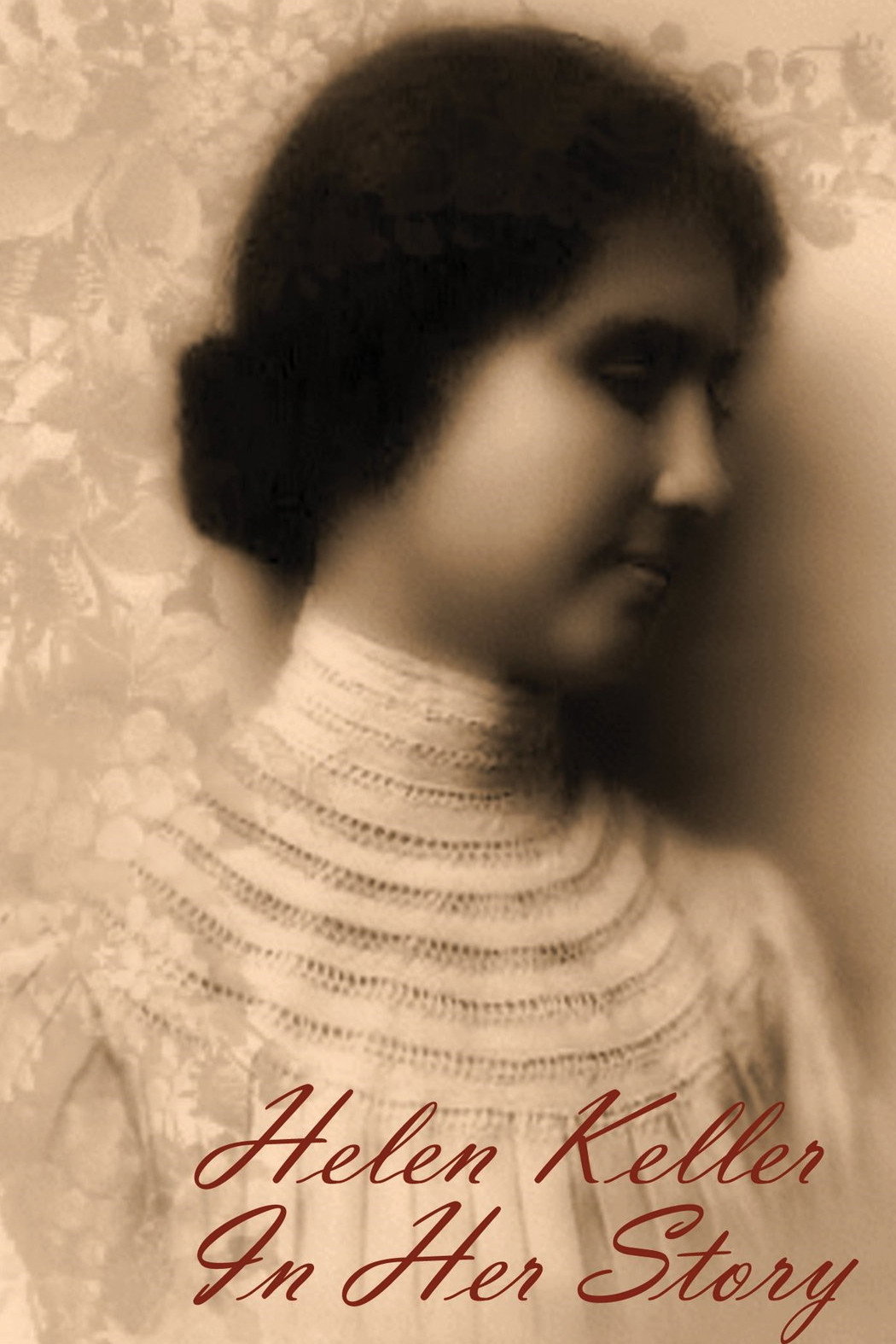
When I first encountered “Helen Keller in Her Story” from 1954, it struck me immediately as a definitive work of documentary cinema. I felt drawn in by its earnest attempt to document a remarkable life, not by dramatizing or fictionalizing but by presenting, observing, and investigating. This documentary doesn’t just relay facts—it immerses me in the authentic experiences and challenges of Helen Keller, urging me to witness alongside the camera the reality of her world. For that reason, I unmistakably place this film in the documentary genre. The film’s foundation lies in its portrayal of real events and authentic people; its focus isn’t on entertainment through imagination or speculation, but on illuminating a segment of lived human history. This focus on fact, evidence, and a reflective approach aligns fundamentally with the hallmarks that define documentary filmmaking.
Key Characteristics of the Genre
- Common themes
- Typical visual style
- Narrative structure
- Character archetypes
Whenever I analyze a documentary, I search first for its thematic anchor. I notice that documentaries—especially mid-century examples—tend to explore truth, social issues, biography, or cultural phenomena. There’s often an underlying drive to educate or reveal something previously unseen or misunderstood. Themes of resilience, transformation, or exposing overlooked aspects of life emerge repeatedly. In my experience, these films frequently elevate the stories of underrepresented people or neglected histories.
Through my study of the genre, I’ve found that documentaries embrace a diverse toolset of visuals, but a few techniques recur. I often see an emphasis on candid imagery, historical photographs, archival footage, and straightforward, unobtrusive camerawork. The intention is rarely to wow with cinematic flourishes, but to foster trust and authenticity. Narration is a staple—provided by someone perceived as authoritative or intimately connected to the subject. The images tend to be functional, supporting the narrative with clarity rather than embellishment. In black-and-white documentaries of the 1950s, like “Helen Keller in Her Story,” visuals are shaped by the era’s technological limits, yet they force my attention on faces, hands, and small gestures, imbuing every detail with meaning.
In my view, documentaries rarely rely on traditional three-act structures. Instead, they prefer a more organic flow guided by chronology, theme, or argument. I often notice a deliberate sequencing: setting the context, introducing the main subject, progressing through epochs of a life or topic, and culminating in a reflective conclusion. Interviews or firsthand accounts weave throughout, grounding the viewer in authenticity. There’s a rhythm to documentary storytelling, one that puts emphasis on gradual revelation over suspense or climax. In the case of biographical documentaries, the film usually mirrors the arc of a subject’s life or accomplishment, often with supporting commentary and historical context.
Unlike narrative fiction, the ‘characters’ here are real people; yet over time, documentaries develop their own patterns. I often identify the “subject”—the driving focus of the documentary, often a trailblazer, survivor, or influential figure. Then there’s the “guide” or “interpreter”—a narrator or interviewer who structures the experience for the audience. Supportive voices abound: expert witnesses, family members, and sometimes even dissenting perspectives. Biographical documentaries, like the one on Keller, emphasize mentors or close associates—in this case, Anne Sullivan—whose influence critically shapes the protagonist’s journey. These people may not be archetypes in the fictional sense, but within the documentary genre, their roles recur with consistent importance.
How This Film Exemplifies the Genre
From the moment I settled in to watch “Helen Keller in Her Story,” I was immediately struck by its gentle but persistent adherence to documentary tradition. It doesn’t rely on creative re-enactments or dramatic visual metaphors—instead, it respects the truth of its subject. The film’s visual language is subdued, almost ascetic; it invites me to examine faces, gestures, and voices without the distraction of elaborate sets or effects. The black-and-white palette renders every detail stark and unembellished, anchoring me in the earnestness of the mid-twentieth-century nonfiction form. The use of narration stood out to me as especially significant: Katharine Cornell’s voice provides both a guide and a sense of empathy, shaping my understanding with warmth and authority.
In experiential terms, the structure reminded me of the way biographical documentaries strive to connect the dots of a remarkable life without rushing or glossing over hardship. The film walks me through Keller’s world chronologically, relying on archival images, direct interviews, and careful narration, rather than staged scenarios. I never once felt manipulated by the filmmaker; instead, I experienced what felt like a respectful observation—a form of testimony. I was most affected by the inclusion of Helen Keller herself—her own presence and her collaboration with Anne Sullivan. Their appearances and interactions ground the entire film in lived experience, rendering it deeply documentary at its core.
Perhaps most compelling to me is how the film gently educates while inviting empathy. Its structure doesn’t foreground drama for its own sake but guides me through the challenges and triumphs Keller faced as a deaf-blind woman. The documentary offers a window, not just into Keller’s specific struggles and victories, but also into the capacities and possibilities for human connection. That commitment to illumination and understanding, built out of reality rather than fiction, is a defining trait I always associate with this genre. Watching this film, I never felt that the director wanted more to impress me as to inform me—to speak not only to my mind, but to coax from me empathy and a spirit of witness. I believe that is the very heart of the documentary tradition.
Other Essential Films in This Genre
- Nanook of the North (1922) – As I reflect on documentary history, Robert J. Flaherty’s chronicle of Inuit life often comes to mind. I appreciate its raw, pioneering spirit. The film documents the daily experiences of Nanook and his family, utilizing location shooting, real subjects, and a strong focus on ethnographic detail. It set a template for later documentaries, although its staging of some scenes remains controversial by today’s standards. It reveals to me how the genre seeks to capture otherwise unseen cultures and environments, aspiring toward authenticity despite the period’s limitations.
- The Times of Harvey Milk (1984) – This evocative portrait of the assassinated San Francisco politician always strikes me with its deft combination of personal narrative and social context. I find the film’s use of archival news footage and interviews with Harvey Milk’s colleagues and friends deepens my sense of his impact. By fusing the intimate with the political, the documentary genre here both preserves and interprets key moments in social history—a dynamic power I continually find compelling.
- Grey Gardens (1975) – The Maysles brothers’ observational documentary exposes the private lives of Edith and Edie Beale, relatives of Jacqueline Kennedy Onassis. Watching this film, I was captivated by the absence of narration and the way the directors immerse themselves in their subjects’ environment. The cinéma vérité style strips away traditional narrative scaffolding and allows real personalities and quirks to surface, providing what I see as a multifaceted example of documentary intimacy.
- 13th (2016) – When I saw Ava DuVernay’s exploration of the U.S. prison-industrial complex, I felt the weight of the genre’s evolution into urgent, issue-based advocacy. The film relays interviews, historical data, and statistics to expose contemporary systemic inequalities. More than almost any recent documentary, this film demonstrated for me how the genre serves as a tool for social change, designed to not only inform but also challenge and mobilize audiences toward deeper engagement.
Why This Genre Continues to Endure
In my personal and professional experience, documentary film persists because people crave authentic stories and perspectives. In an era where stories are often filtered through layers of fiction, special effects, and sensationalism, I find that the rootedness of the documentary—its real faces, real voices, real stakes—offers viewers something fundamentally grounding. Documentary films are uniquely positioned to both educate and humanize; they invite me to see through another’s eyes, learn from lives unlike my own, and reconsider what I assume to be true about the world.
The genre’s flexibility is, in my eyes, another reason it remains vital. I’ve seen documentaries that take many forms: journalistic exposes, fly-on-the-wall realism, biographical accounts, and artistic essays. This adaptability ensures the genre is always morphing in response to new subjects and new technologies, keeping it freshly relevant. I’m particularly attentive to the way documentaries exploit changing media environments—broadcast, portable cameras, digital editing—to amplify voices that might otherwise be missed.
Audiences, I believe, are engaged by the credibility and sincerity that documentary films offer. When I watch a documentary, I don’t feel merely entertained; I feel spoken to, acknowledged, and sometimes challenged. Whether it’s history, science, justice, or intimate human experience, documentaries satisfy my curiosity and complexity of thought. At their best, they inspire action, reflection, and more attentive citizenship.
The survival and popularity of the documentary genre speaks to my conviction that truth—however partial, however mediated—will always have a place in art. As long as I want to learn more about the world, puzzle through its contradictions, and witness the grit and glory of real lives, I know I will continue to return to the genre. Films like “Helen Keller in Her Story” represent not only the foundations of documentary cinema but also a living invitation for every generation to seek, to see, and to understand.
If you’re interested in how viewers respond beyond technique, you may want to explore audience and critical reception.
🎬 Check out today's best-selling movies on Amazon!
View Deals on Amazon