
Film Movement Context
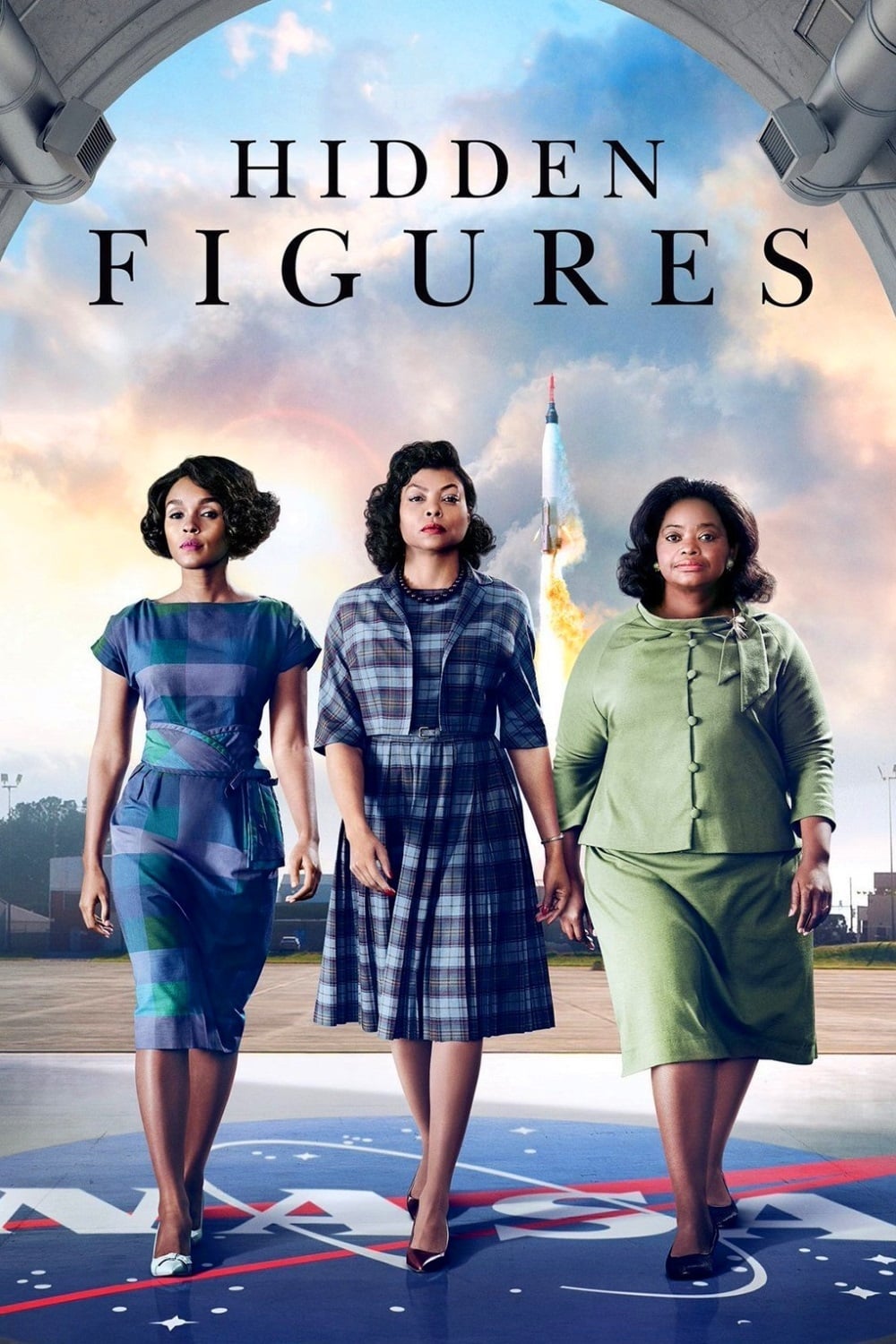
When I reflect on watching “Hidden Figures,” I immediately sense that it occupies a fascinating intersection of contemporary social issue cinema and the resurrection of the classical Hollywood inspirational biopic. Yet, it doesn’t merely recycle familiar tropes. Instead, I’d place “Hidden Figures” within what I recognize as the 21st-century Social Realist Revival—a movement energized by an appetite for visibility, reclamation, and nuanced collective histories that have been marginalized or outright ignored in canonical American cinema. What stands out to me is how this wave of filmmaking doubles as both activism and art, using the grammar of mainstream genres to interrogate and reframe the historical record. As a historian, I see the movie as threading between genre conventions—borrowing the narrative beats of the American workplace drama, the biographical epic, and the underdog triumph, all while reorienting its focus onto Black women as central, rather than peripheral, historical agents. That shift, for me, is the heartbeat of the movement: a conscious, purposeful choice to place historically erased voices at the center, not as a side note, but as the primary subject. “Hidden Figures” exemplifies the Social Realist Revival’s ambition to reveal truths that earlier genres elided or soft-pedaled, especially as they relate to race, gender, and scientific progress in the American mythos.
Historical Origins of the Movement
I often see echoes of the Social Realist Revival in older traditions—most clearly, the mid-20th-century social problem films that grappled with civic crises or specific injustices, though often filtered through sanitized or normative lenses. My understanding of the more recent origins stems from the late 1990s and early 2000s, when the rise of digital filmmaking and independent cinema unleashed a new plurality of voices. Communities historically marginalized from the dominant culture—whether by race, gender, sexuality, or class—began sharpening their own perspectives within film, challenging mainstream Hollywood’s comfort with the status quo. The hunger wasn’t just for representation on the screen, but for re-examining who controlled the narrative, whose lenses shaped our understanding of American life, and whose stories were left untold.
For me, what catalyzed this movement into a new phase was the collision between the contemporary civil rights resurgence—including Black Lives Matter and other activism—and the growing audience demand for authenticity and complexity in storytelling. I also can’t discount the impact of streaming and social media, which allowed overlooked histories and documentary footage to circulate widely, sparking public quests for correction and reckoning. Where earlier eras might have couched their critique in allegory or abstraction, filmmakers and audiences in the Social Realist Revival era craved specificity: names, faces, and true stories. It’s no accident that this movement flourished alongside biopics like “Selma” and documentaries like “13th,” all intent on centering the individual details that collectively rewrite the mainstream historical narrative.
This Film’s Contribution to the Movement
What strikes me every time I revisit “Hidden Figures” is how deftly it balances the personal and the systemic, refusing to flatten its subjects into symbolic tokens while still delivering the genre’s requisite catharsis. For someone steeped in the history of American cinema, I experience the film as both a reclamation and a re-education project. Its contribution isn’t just in telling the story of Katherine Johnson, Dorothy Vaughan, and Mary Jackson; it’s in how director Theodore Melfi and his creative team reframe the grammar of the inspirational biopic. Instead of filtering their challenges solely through the gaze of white America, the camera lingers on spaces—beauty salons, family kitchens, segregated offices—where Black women strategize, confront microaggressions, and assert their scientific and personal agency. I find this deeply significant: the narrative agency is shifted, diverting the flow of empathy towards those who history has systematically marginalized.
This approach, for me, extends beyond mere thematic focus. Stylistically, I admire how the film integrates period aesthetics—sets, costumes, even language—without letting nostalgia occlude brutality. The emotional beats are orchestrated to invite identification with struggle as much as triumph. Much of the genre’s past relied upon the exceptionalism of its protagonists, framing success as a lone individual breaking the mold; “Hidden Figures” offers a subtle but sharp critique of that myth. Instead, I see it as a meditation on collective perseverance and the often-invisible forms of collaboration behind moments we might otherwise attribute to singular genius. In that sense, I view “Hidden Figures” less as exalting individual heroes and more as an argument for reevaluating the structures that permit—or prohibit—certain people from occupying the spotlight. Through this lens, I recognize a defining characteristic of the Social Realist Revival: an insistence on examining the scaffolding of discrimination rather than rendering systemic racism as mere personal anecdote.
In its very production and reception, the film advanced the movement by simultaneously reaching wide audiences—an achievement in a media landscape that still, all too often, positions Black women’s stories as ‘niche’—and by proving that box office success and cultural urgency need not exist in opposition. I find its tone crucial: hopeful yet unflinching, intelligent without succumbing to didacticism, and always attentive to intersectional realities that define true historical complexity. What the film does, in my eyes, is to show that the fight for recognition is not just historical but ongoing, and that the act of telling these stories constitutes a political gesture in itself.
Influence on Later Genres and Films
- Shifting Norms in the Inspirational Biopic – Personally, I’ve noticed how “Hidden Figures” helped rewire the inspirational biopic—a genre often prone to hagiography or oversimplification—by inviting filmmakers to anchor stories in collective action and unsung contributors. In more recent entries such as “Harriet” and “Judas and the Black Messiah,” I sense traces of this influence: their willingness to dig beneath the surface, to foreground obstacles both systemic and interpersonal, and to present historical figures as neither martyrs nor mascots, but as flawed, complex individuals whose struggles echo broader communal realities.
- Broadening the STEM Narrative in Children’s and Family Media – After “Hidden Figures,” I observed a surge in children’s media and educational programming that spotlighted Black scientists, women in STEM, and stories beyond the Edison-style lone inventor myth. Programs like “Ada Twist, Scientist” and classroom documentaries began echoing the movie’s core assertion: that scientific progress is not neutered by gender or race, and that optimism about the future must be tied to the visibility of all its builders. To me, “Hidden Figures” opened the cultural door for entire new genres of family entertainment rooted in historicity and collective possibility rather than erasure or fantasy alone.
- Renaissance in Intersectional Storytelling Across Awards Cinema – I attribute much of the increasing appetite for intersectional stories in mainstream awards cinema to the example set by “Hidden Figures.” Films such as “Fences” and series like “Lovecraft Country” seem emboldened by its commercial and critical success, daring to dwell in uncomfortable truths without sacrificing audience reach. The story’s commercial performance, in my view, reminded studios and gatekeepers that representation is not antithetical to profitability or prestige, and it shifted industry conversations about what stories were considered ‘Oscar material’ or broadly marketable. The film’s influence, as I see it, has been to embolden creators and investors alike to take risks on stories traditionally deemed too particular or politically volatile for general audiences.
The Movement’s Lasting Impact
For me, the Social Realist Revival remains invaluable, not least because it refuses historical amnesia and challenges Hollywood’s often-picture-book approach to the American past. When I watch movies like “Hidden Figures,” what lingers most is the movement’s capacity to carve out a common narrative space where both history and identity are actively contested. This isn’t simply about ‘giving voice’; it’s about audibly and visibly reshaping the entire chorus. The reason this movement endures, in my mind, is that it acts as a corrective—providing the counter-survey maps we need to traverse a society haunted by unresolved injustices. Cinema, after all, does more than reflect reality; it guides our sense of what is possible, what is permissible, and who belongs in the future that’s taking shape in the national imagination.
What I value most about the Social Realist Revival is its refusal to treat marginalization as a single shade. It is explicitly intersectional, grappling not just with race or gender alone, but with their entanglements alongside class, labor, tradition, and progress. The movement continues to challenge audiences—myself included—to see the old stories anew, and to recognize that the rewriting of narrative is as necessary as legal or political reform. Each new contribution, typified for me by “Hidden Figures,” is an act of memory—but also a forward thrust, a demand that what was hidden must, at long last, be made visible. The legacy, and the urgency, of this movement is precisely that: its insistence that cinema participate fully in the ongoing project of social memory and justice.
To connect style and technique with broader context, you may find these perspectives useful.
🎬 Check out today's best-selling movies on Amazon!
View Deals on Amazon