
Film Movement Context
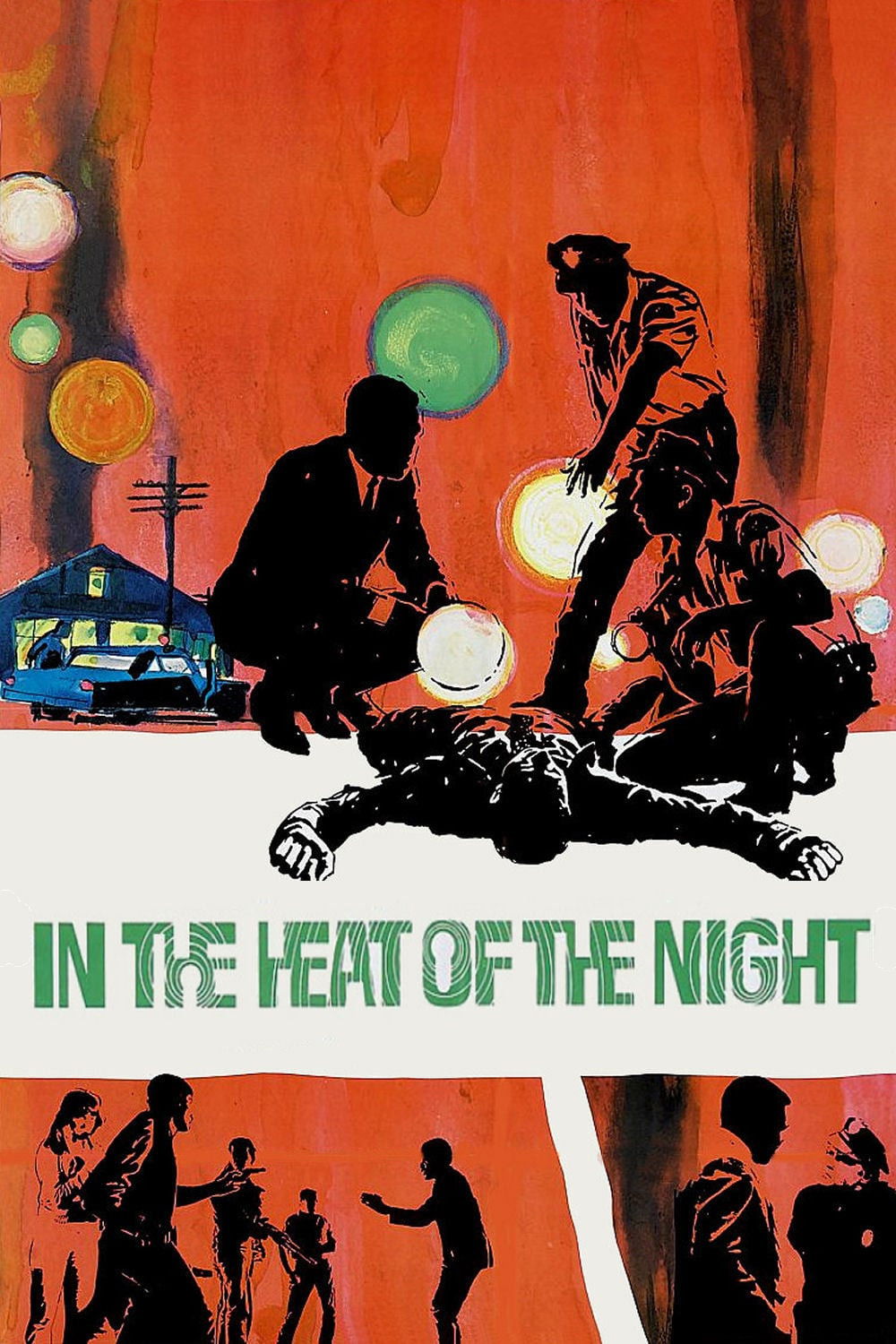
When I first watched “In the Heat of the Night,” I was immediately struck by its sense of place—both literal and metaphorical. The heavy, humid atmosphere of its fictional Mississippi town felt less like a backdrop and more like a crucible, forging every encounter, every stare, every twitch of unease into something sharper. To me, the film sits squarely within the New Hollywood movement, that remarkable period of American cinema from the mid-1960s to the early 1980s when movies began to mirror the nation’s restless, seething realities. I view this movement as a tectonic shift away from the glossy, sanitized narratives of classical Hollywood toward something braver, angrier, and more honest—films unafraid to expose uncomfortable truths about race, power, and institutional rot. “In the Heat of the Night” radiates these qualities, both as a thriller and as a pointed social document, aligning itself with a New Hollywood that challenges both audience and system. I also recognize echoes of the American social problem film tradition that emerged after World War II, but what sets this film apart in my mind is its fusion of genre storytelling—a murder mystery—with a searing post-civil rights racial inquiry, something only a movement as daring as New Hollywood could produce at that time.
Historical Origins of the Movement
I often reflect on why the New Hollywood movement had to happen, and I keep circling back to a sense of artistic and social dissatisfaction. By the 1960s, I see a film industry anxious and out of touch. The Production Code was crumbling, European art cinema was making American directors envious, and the nation itself was on fire—politically, culturally, literally in the streets. The generational divide was so wide you could hear the echoes in the cinema: John Ford was fading, while young filmmakers were desperate to tell stories you could actually believe. Every time I watch a New Hollywood film, I feel this hunger for realism—this need to break with the past, to talk openly about sex, violence, corruption, and, crucially in the case of “In the Heat of the Night,” racial injustice. The movement didn’t happen out of thin air. It borrowed nervy camera work and psychological realism from the French New Wave and Italian neorealists while grounding what it borrowed in distinctly American dilemmas. For me, it’s as if the movement was inevitable: society had changed, and cinema needed to catch up—to become confrontational, willing to provoke, willing to be ugly if that meant being truthful.
This Film’s Contribution to the Movement
“In the Heat of the Night” is, for me, a defining artifact of the transformative edge of New Hollywood. What knocks me out on every viewing is how the film doesn’t just pay lip service to social issues—it throws its audience into the crucible with Virgil Tibbs. I can’t talk about this film’s place in its movement without mentioning the absolute gravity of Sidney Poitier’s performance; every line, every glance infuses the film with a political current you can’t ignore. The film’s approach to race relations isn’t just narrative window-dressing; it’s tightly braided into every exchange. When I see Tibbs forced into alliances with bigoted officers or navigating suffocating suspicion, I don’t see a simple detective story—I see the friction and uncertainty of an America trying, and failing, to reconcile its ideals with its realities.
I love how the film weaponizes realism. The sweat-stained ambiance, the stark lighting, and Haskell Wexler’s handheld camera movements anchor the story in a world that refuses to flatter either subject or viewer. I sense echoes of neorealism in the way the town’s spaces and faces register as lived-in, oppressive, and true. What’s radical, though, is the combination of that realism with the charged atmosphere of suspense—every interrogation, every slow pan across tense bodies, making me viscerally aware that this murder investigation is about more than crime. It’s about the mechanics and microaggressions of racism, about pride and humiliation, about the violence lurking beneath the surface of the American South and, by extension, the nation. I return again and again to the film’s famous slap—the sound of it, the look in Tibbs’ eyes, the instant, charged silence. Few cinematic gestures so puncture the polite fiction of progress, revealing just how raw those post-civil rights wounds still were in ’67. In that sequence and many others, I see not just genre mastery but a challenge to audiences who’d grown up on Hollywood’s evasions; it’s a film that expects discomfort—demands it, even.
What I admire most about “In the Heat of the Night” is its refusal to offer easy catharsis. The partnership at its core is uneasy, the resolution messy rather than neat. Where classical Hollywood films would have opted for reconciliation or redemption, I see a filmmaker (Norman Jewison) and a screenwriter (Stirling Silliphant) willing to leave social wounds exposed. This, in my mind, is New Hollywood at its most urgent and honest.
Influence on Later Genres and Films
- Genre Hybridity and the Rise of Socially Conscious Crime Thrillers – The most immediate legacy I draw from “In the Heat of the Night” is the way it cracked open the detective and procedural genres. I see its DNA everywhere in later films that balance taut genre mechanics with critique—think of modern crime dramas like “Serpico,” “Mississippi Burning,” or “Seven,” where investigations become avenues for exploring social breakdown, systemic rot, and cultural pathology. This film, in my eyes, taught both filmmakers and viewers that genre could be politically loaded, that suspense could illuminate as well as entertain.
- Representation and the Star Image of Black Protagonists – Sitting with Tibbs’ character, I am always aware of the revolutionary impact his presence had—and continues to have. Before this, Black characters in Hollywood were nearly always ancillary, stereotyped, or muted; here, Tibbs is neither a sidekick nor a martyr, but a protagonist with prestige, intellect, and an inner life. I don’t just see a shift in casting, but a tectonic change in representation that cleared space for films like “Shaft,” “Blacula,” and “Do the Right Thing,” and for Black stars to define their own narratives, even within genres that had relegated them to the margins.
- Ethical Ambivalence and Realism in the American Mainstream – What stands out to me is the film’s embrace of ambiguity. There’s no wholly sympathetic character, no easy fix to the prejudices and dilemmas on screen. Watching movies that followed—be it “Chinatown,” “Taxi Driver,” or “The French Connection”—I see a direct line from “In the Heat of the Night” in the ways mainstream American cinema began to value complexity, contradiction, and moral messiness. The film showed that you could make a hit without pandering to old codes or giving audiences a simple hero or villain. It made ambiguity not just acceptable but necessary.
The Movement’s Lasting Impact
For me, the lasting relevance of New Hollywood’s mode, as embodied in “In the Heat of the Night,” lies in its demand that movies face the world as it is, not as we wish it were. Every time I return to this film, I’m reminded why this movement’s audacity matters: it seeded a cinema capable of grappling with the country’s traumas and contradictions, insisting that art must interrogate, provoke, and unsettle. It proved, in practice, that challenging narratives could connect with large audiences—broadening not just what films could depict but what viewers might expect and demand. These innovations didn’t vanish with the 1980s shift toward blockbusters; they ripple through contemporary films courageous enough to unsettle, to linger in uncertainty, to pose hard questions instead of giving easy answers. When I watch cinema now, I still look for that New Hollywood spirit, that willingness to let the world in, sweat and all. Largely because of films like “In the Heat of the Night,” I know it’s possible—necessary, even—for movies to matter beyond the frame.
To connect style and technique with broader context, you may find these perspectives useful.
🎬 Check out today's best-selling movies on Amazon!
View Deals on Amazon