
Film Movement Context
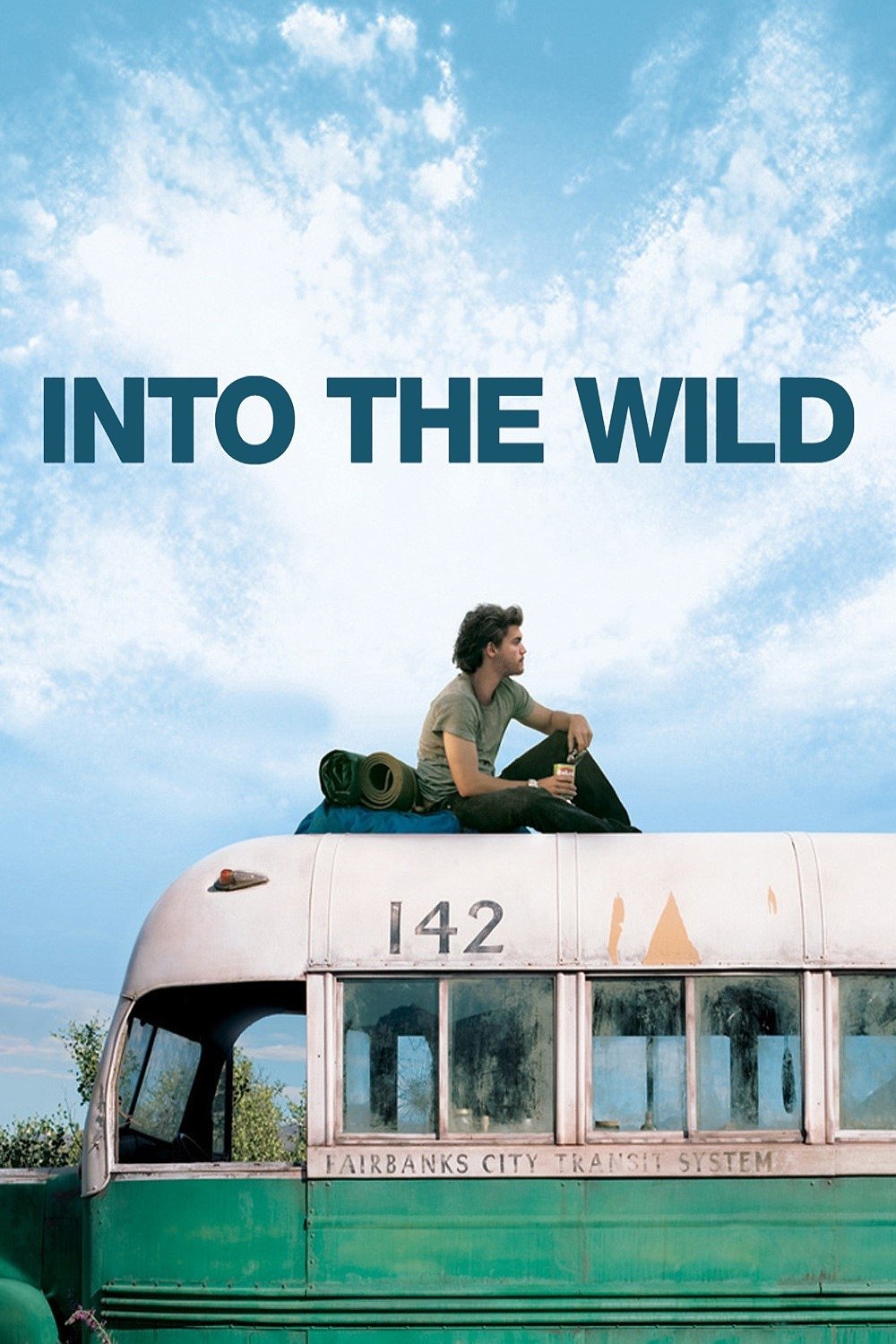
For me, watching Into the Wild felt like stepping into the tradition of American independent cinema fused with distinctly modern strains of the New Hollywood movement. I’ve always found that films which take risks in their visual storytelling and narrative structure—eschewing predictable studio conventions—carry the DNA of the great American road movies, yet Into the Wild does more than just field the tropes of a rebellious young protagonist or sprawling landscapes. The sensibility I identify most in Sean Penn’s adaptation is the legacy of American Existentialism onscreen, filtered through the lens of post-1970s New Hollywood auteurs who prioritized inner journeys as much as geographic ones. The film’s style, with its use of non-linear storytelling, poetic voice-overs, and frequent breaking away from traditional narrative closure, feels thoroughly indebted to the countercultural and independent movements that redefined American cinema as a vehicle for personal expression. I see Into the Wild as a contemporary extension of these traditions—a hybrid of cinematic realism, existential search, and the ongoing evolution of the road movie genre.
Historical Origins of the Movement
When I look back on the origins of these closely related movements, I find myself drawn to the seismic shift that occurred in American cinema during the 1960s and 70s. After decades of tight studio controls and the moralizing restraints of the Production Code era, a younger generation of filmmakers like Arthur Penn, Terrence Malick, and Hal Ashby questioned everything from narrative convention to the purpose of filmmaking itself. This drive sparked the New Hollywood movement, pulling inspiration from European auteurs, particularly those of the French New Wave, who were emphasizing subjective reality and character-driven storytelling over tidy resolutions and plot-driven structures.
I see the American road movie as a direct child of this cultural upheaval. Rooted in an impulse to upend both genre and geography, movies such as Easy Rider and Five Easy Pieces transformed the American landscape from a mere backdrop to an existential canvas on which characters could wrestle with alienation, rebellion, and yearning for something beyond the American Dream. In my view, what really cemented this tradition’s legacy—and where Into the Wild finds its lineage—was the combination of an anti-authoritarian spirit and the introspective quest. Rejecting both the confines of home and the conventions of genre cinema, these films responded to broader societal turbulence: the civil rights movement, Vietnam, and generational revolt. What emerges is a body of work that’s less about plot mechanics and more about the authenticity of personal discovery, often with camera work and editing reflecting instability and rawness.
Independent cinema, often acting in conversation with (or opposition to) Hollywood, took these impulses further. The emergence of filmmakers working outside established studios fostered a creative climate that allowed for risk, unconventional characters, and fragmentary narrative techniques. I suspect that without this break from classical norms—with its improvisational acting, naturalistic dialogue, and avoidance of closure—Into the Wild might never have reached the deeply subjective, poetic mode it inhabits today.
This Film’s Contribution to the Movement
Of all the films I’ve seen that try to embody the spirit of personal odyssey, Into the Wild stands out to me for the way it translates existential longing into visual and emotional language. I’m continually struck by how Sean Penn’s direction refuses to package Christopher McCandless’s story into a neat morality tale. Instead, it leverages the freedom and fragmentation of independent and New Hollywood cinema to immerse me in the ragged process of self-invention, alienation, and yearning for transcendence. Penn’s adaptation embraces the nonlinear, jumping back and forth in time, mirroring the unsettled nature of both its protagonist’s psyche and America’s collective search for meaning at the turn of the 21st century.
What matters to me most is the film’s rejection of artificiality: the landscape isn’t just a setting but a nearly mythic adversary, both sheltering and indifferent. The camera lingers, often relying on natural light, heightening the experiential over the expository. I feel that the scenes of silence, of open space, are where the film’s alignment with American existential cinema crystallizes. Rather than filling every gap with dialogue or score, the film trusts viewers—much like Malick’s best work—to commune with the emotional and philosophical void its hero is probing. The voice-over, used so frequently in modern indie cinema, draws me not just into McCandless’s mind but into the literary heart of the American myths of freedom and self-reinvention.
I would even argue that Into the Wild advances the ideals of both the independent and New Hollywood traditions by acknowledging, rather than sidestepping, the ambiguities and costs of radical individualism. The film’s refusal to position McCandless as a simplistic hero or martyr aligns with the skepticism that defines post-1970s American cinema. In my analysis, it’s not just homage—it’s a critique and an evolution. The film channels not only the outsider spirit of classic road movies but interrogates the privilege and limits of striving for purity outside society’s bonds. The story’s tragic undertones—contrasted by moments of grace and connection—remind me how this tradition remains relevant in its willingness to leave viewers in existential limbo, fostering introspection over prescription.
Influence on Later Genres and Films
- Introspective Journey Narratives – I’ve noticed that Into the Wild rejuvenated interest in films centered on the inner evolution of protagonists rather than just their external actions. Its meditative pacing and willingness to foreground psychological and spiritual searching paved the way for films like Wild (2014), which uses the American wilderness as a crucible for healing and reckoning, and Nomadland (2020), which finds transcendence in the margins of modern America. In my experience, movies that once might have defaulted to classic heroism now routinely follow characters into liminal, interior territories, trusting viewers to seek their own meaning within the journey itself.
- Synthesis of Documentary Realism and Poetic Cinematic Technique – My appreciation for Into the Wild grows whenever I spot its influence in films that fuse documentary aesthetics—natural light, unscripted moments, on-location sound—with stylized editing or symbolic imagery. I see a direct lineage to later works by directors like Chloé Zhao or Andrea Arnold, who harness the immediacy of handheld cinematography and nonprofessional actors to deepen immersion, yet also construct a lyrical, nearly mythic dimension to ordinary lives. This hybridization has shifted the genre away from both pure realism and classical escapism, shaping contemporary movements around “slow cinema” and “cinematic poetry.”
- Reassessment of the American Individualist Myth – What intrigues me today is how Into the Wild has encouraged more critical takes on the archetype of the solitary seeker. Its nuanced portrayal of McCandless’s virtues and blind spots prompted later filmmakers to revisit the American obsession with going it alone. In my discussions with students and colleagues, films like The Kings of Summer or Leave No Trace frequently come up as inheritors of this sensibility, troubled as they are by the limits of self-exile and the fragile negotiations between freedom and belonging. I believe this dialogue with the American mythos constitutes one of the most significant contributions—not just to the road movie but to American cinema as a whole.
The Movement’s Lasting Impact
Whenever I reflect on why the movements that shaped Into the Wild still matter, I keep circling back to their advocacy for artistic risk and personal vision in a medium so often driven by commercial imperatives. For me, films like this keep alive the possibility that cinema can serve not only as entertainment or spectacle, but as a mirror for existential anxiety, longing, and the stubborn search for meaning in a fragmented world. I cherish the way these traditions make visible the distances between people and the vastness within, foregrounding the unsolved and unresolved without apology. In a cinematic landscape increasingly dominated by franchise logic and algorithmic predictability, the enduring influence of independent, New Hollywood, and existential road movies offers a vital countercurrent—a place for ambiguity, defiance, and human vulnerability to coexist onscreen. This spirit doesn’t just belong to a previous era; it continues to pulse through every new work that dares to ask not just who we are, but how we might begin again.
To connect style and technique with broader context, you may find these perspectives useful.
🎬 Check out today's best-selling movies on Amazon!
View Deals on Amazon