
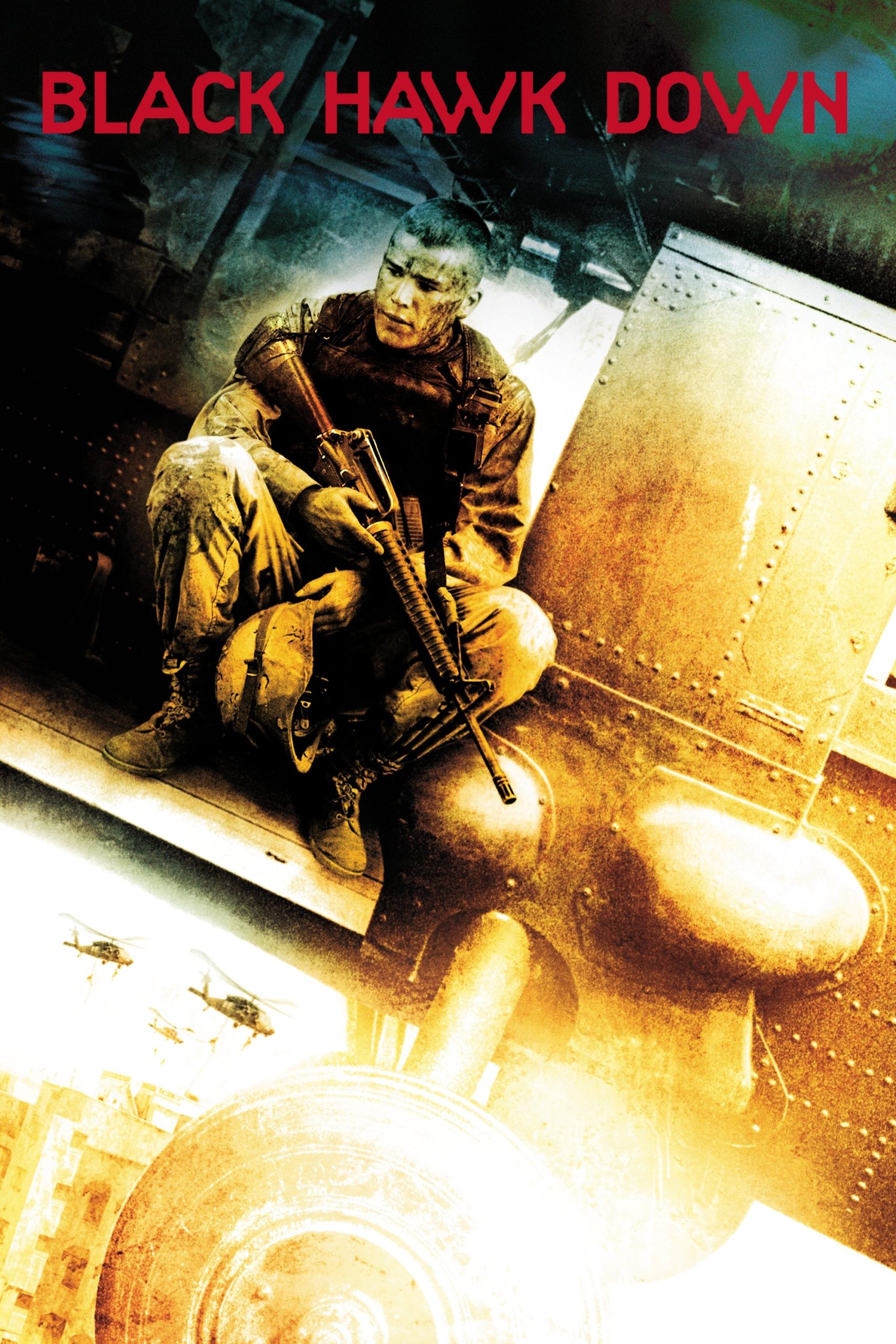
The Genre of This Film
Black Hawk Down struck me from my first viewing as the epitome of modern war cinema—unflinchingly tense, relentlessly grounded, and obsessed with the mechanisms of survival and chaos under fire. For me, it wasn’t just a depiction of conflict; it crystalized what I see as the core characteristics of the war film genre. Everything about its frantic pacing, its detailed focus on military process, and its dedication to recreating a specific historical incident fits that category. I view Black Hawk Down primarily as a war film, bolstered by action-thriller sensibilities, but at its core, it remains firmly rooted in the war genre. That’s because it centers on the lived experiences of soldiers in battle, keenly dramatizing both the logistical realities and the stripped-raw humanity forced to surface when everything falls apart. I don’t find fantasy, superheroics, or melodrama here—the genre speaks through raw tension, military jargon, and relentless combat. When I teach or discuss classic genre examples, Black Hawk Down always stands out as an essential war film for the 21st century.
Key Characteristics of the Genre
-
Common themes
In my experience, the war film genre is defined by its examination of conflict, comradeship, the harsh costs of violence, and the intersection between loyalty, morality, and duty. There’s almost always a tension between the individual and the collective. I notice how these films frequently question the nature of heroism, probe at the price people pay for following orders, and cast a critical (yet not always negative) eye on institutions like the military. In Black Hawk Down, I saw the isolation and camaraderie of soldiers, but also the uncertainty, confusion, and relentless presence of risk—core thematic pillars I consistently recognize in classic war cinema. War films often invite viewers to debate whether sacrifice is meaningful or tragic, and whether survival is triumph or defeat—questions that have echoed through the genre since its inception. -
Typical visual style
When I consider how war films look, a few visual trademarks leap to mind. Gritty realism dominates, with emphasis on muted color palettes, documentary-inspired camera work, and shot composition that pulls me right into the fray. There’s a kinetic urgency—for instance, shaky handheld cameras or sudden jump-cuts—meant to mimic the chaos and stress of battle. Authenticity is everything: uniforms, gear, and even the dust or sweat covering the actors’ faces are rendered with painstaking care. When I watched Black Hawk Down, I saw a deliberate embrace of sun-bleached, washed-out browns and yellows, visually amplifying the sand-choked, urban environment. These choices aren’t just aesthetic; they’re indispensable to creating an immersive and harrowing sense of place. For me, these visuals are inseparable from the genre’s emotional impact. -
Narrative structure
As I reflect on war films, I see that their narratives rarely unfold like traditional hero’s journeys. Instead, I’m often confronted with ensemble-driven stories focused on groups rather than a lone protagonist. The narrative is frequently shaped by chronology—some films unfold over a single day or battle, emphasizing the intensity and claustrophobia of combat. There’s little space for subplots that aren’t directly about the mission or survival. I notice structural elements such as cross-cutting between firefights, command decisions, and moments of quiet camaraderie or tension in the ranks. The genre thrives on immediacy and repetition—waves of assault, urgent rescues, desperate retreats—placing me directly in the thick of it alongside the characters. Black Hawk Down, especially in its near-real-time structure, is a sterling example: the story becomes a relentless chain of cause and effect, delivering a sensation of events spiraling out of control. -
Character archetypes
When I consider the characters populating war films, a handful of archetypes emerge over and over again. There’s the green rookie, thrust into battle for the first time; the grizzled veteran, world-wise and weary; the by-the-book officer, slavishly devoted to orders; the skeptical or rebellious soldier who questions motives or leadership; and the self-sacrificing hero. I also find groups are typically organized by skill—medics, snipers, radio operators—all roles crucial to the group’s survival. The genre is less interested in individual backstories than in how personalities clash or coalesce under fire. The collective is almost always foregrounded above individual journeys, reinforcing the sense that no one person can control what unfolds. In Black Hawk Down, I could spot almost all these figures, thrown together into a desperate fight—a powerful reminder of how the genre thrives on contrast and collaboration in extremity.
How This Film Exemplifies the Genre
From the opening moments of Black Hawk Down, I found myself immersed in an environment that refused to flinch away from the chaos and cost of war. The decision to focus on the 1993 Battle of Mogadishu was, in my view, inspired—because it distills the war genre’s defining traits with remarkable clarity. What stands out to me is how the film doesn’t romanticize conflict but, rather, makes the procedural and emotional grind of combat its primary concern. I find that the relentless pacing—once the mission begins, the narrative barely lets up—evokes the “you are there” immersion I’ve experienced in only the most effective war movies.
The sense of realism is, to my eye, almost overwhelming. Ridley Scott’s directorial style here is unmistakably shaped by handheld camerawork, gritty production design, and a dusty urban palette that mirrors the sensory overload of battle. I was especially struck by how the film uses geography—viewers are as disoriented as the soldiers, a visual and structural choice that amplifies the tension. There are no superhuman feats, only hard decisions, split-second reactions, and the ongoing doubt of whether any of it will matter by the time the sun sets. I recognize the ensemble cast not as future stars or stereotypes but as an interconnected web of panic, skill, and bravado—demonstrating the classic war film focus on group dynamics rather than singular heroism.
Perhaps most notably, I see the film avoiding the comfortable tropes of old-fashioned war spectacles. There’s no grand victory, no easy resolution. The structure is as merciless as the scenario itself: one setback leads to another complication, and any chance at clarity or salvation comes only through improvisation or sacrifice. The film’s commitment to depicting confusion, exhaustion, and fear is, for me, a hallmark of the modern war genre—one that eschews propaganda and asks us to confront the reality that, in wartime, chaos is more common than clarity.
Meanwhile, the character work—though understated—is familiar ground for me. Every archetype exists to serve the ensemble’s survival. By oscillating between panic, resolve, courage, and deep uncertainty, the characters mirror the genre’s traditional skepticism about the possibility of “winning” in war. Even the rare moments of respite are undercut by tension. In this way, I find Black Hawk Down to be one of the purest distillations of the war film’s defining characteristics: its focus on process and chaos, group identity, and the human toll of violence, rendered with uncompromising realism.
Other Essential Films in This Genre
- Platoon (1986) – In Platoon, I see Oliver Stone’s personal experience as a Vietnam veteran translated into a visceral portrait of combat’s psychological and physical damage. The film excels at blending the moral ambiguity of modern warfare with the terror of being trapped in an alien, hostile environment. What stands out to me is how it frames its narrative through the eyes of a young recruit, putting the viewer directly inside the confusion and corruption that war can breed. Like Black Hawk Down, I see a heavy focus on the collective, with competing leaders pulling the group in different moral and tactical directions.
- Saving Private Ryan (1998) – I vividly recall how Steven Spielberg, through meticulously staged battle scenes like the Normandy landing, cemented this film as a touchstone for war genre realism. With its graphic violence and attention to the small moments of fear, waiting, and trauma among soldiers, I find it draws a clear throughline to Black Hawk Down’s dedication to authenticity. I am constantly reminded of how both films elevate the procedural: planning, improvising, breaking through, and regrouping, with individuals defined by their context and actions rather than by grand speeches.
- Full Metal Jacket (1987) – For me, Stanley Kubrick’s Full Metal Jacket pushes the genre’s boundaries by dissecting the dehumanizing effects of military indoctrination and combat. The bifurcated narrative—a boot camp descent into cruelty followed by the surreal chaos of urban battle—echoes the genre’s preoccupations with group identity and psychological fragmentation. Every time I watch it, I notice the recurring genre pattern of authority figures and rebels, caught in a structure that values obedience yet forces improvisation once the shooting starts.
- The Thin Red Line (1998) – Watching Terrence Malick’s take on World War II, I always come away reflecting on the war genre’s openness to philosophical and impressionistic interpretation. The film softens the edges of violence with lyrical visuals and interior monologues, emphasizing the psychological cost and the natural world’s indifference to human conflict. Yet, the genre’s group focus remains: divisions between officers, bonds forged under duress, and the tension between self-preservation and communal responsibility. In my view, this film proves how flexible and encompassing the war film can be, while still staying true to its foundational concerns.
Why This Genre Continues to Endure
There’s a reason I find myself returning to war films ever since I first encountered them: they offer not just spectacle but an unvarnished examination of what it means to be human under unimaginable pressure. I believe the war film genre survives because it remains perennially relevant, even as the contexts and conflicts change. Each generation faces its own fears, doubts, and confrontations with violence—war films become a space where those anxieties are expressed and processed. In my view, audiences connect with the authentic, at times overwhelming, emotional intensity: the sound of gunfire, the clatter of orders, the sweat and terror etched onto actors’ faces. There’s no need for fantasy in this world; the stakes are permanently dialed up by the sheer reality of human mortality and moral ambiguity.
What especially resonates with me is how these films spotlight the bonds formed between people, sometimes strangers, forced to trust and rely on each other for survival. That depiction of camaraderie, sacrifice, and the push-pull between authority and individual will—these are universal tropes, and the war film genre foregrounds them in stark relief. Modern war films, in particular, have abandoned the black-and-white moral binaries of their earliest incarnations, offering instead a space for complicated, difficult questions. Audiences, including myself, crave authenticity—a sense that what’s unfolding on screen could have happened, or did happen, and that the chaos or devastation isn’t sanded down by sentimentality or propaganda. In many ways, I think that keeps the genre vital and urgent, and ensures it will always find new stories to tell, new battles to stage, and new ethical dilemmas for each viewer to grapple with.
If you’re interested in how viewers respond beyond technique, you may want to explore audience and critical reception.
🎬 Check out today's best-selling movies on Amazon!
View Deals on Amazon