
Film Movement Context
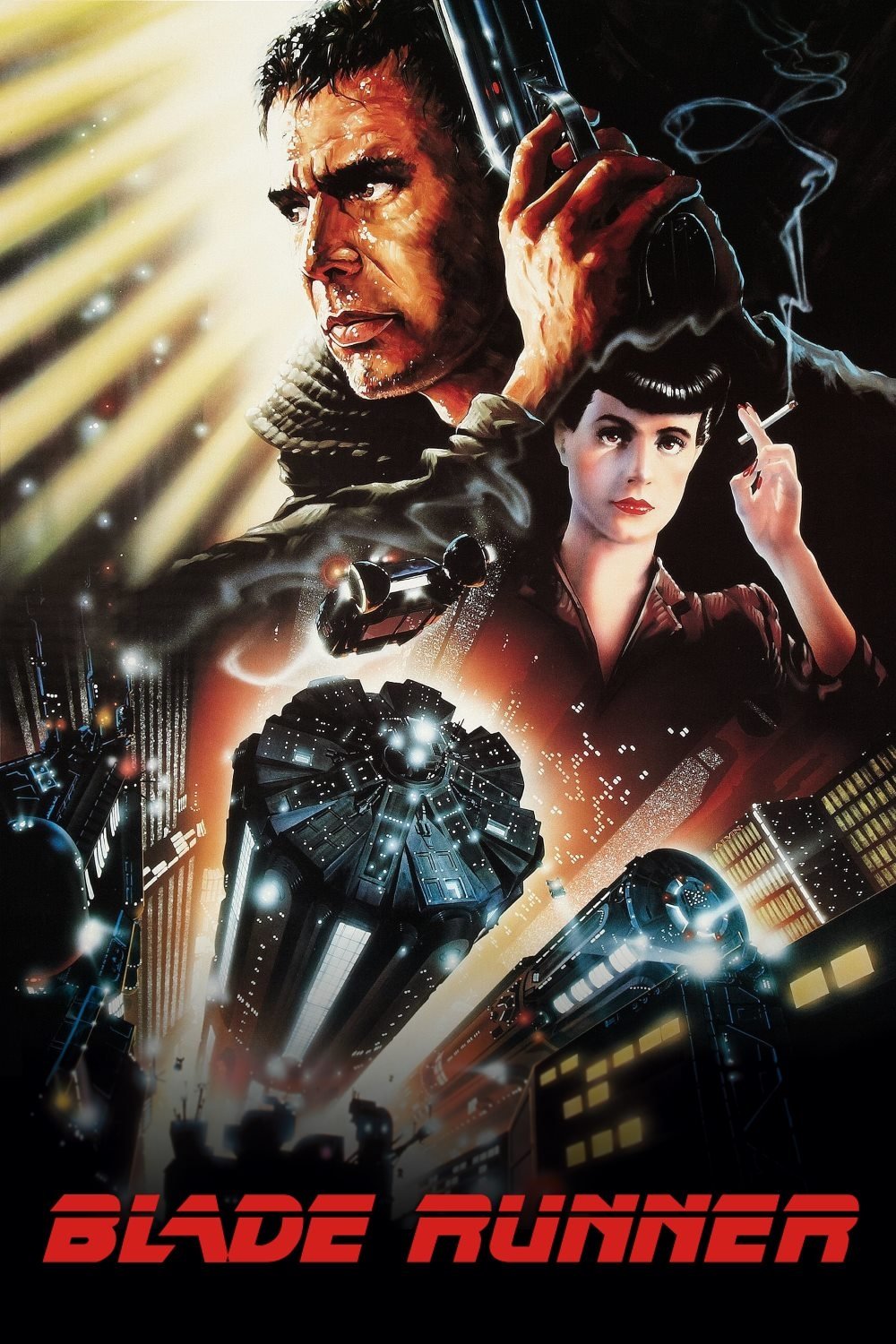
Every time I rewatch Blade Runner (1982), I’m struck not just by its vision of the future, but by how its formal and thematic choices echo the lineage of cinematic movements that came before. For me, Blade Runner doesn’t merely belong to one movement – it sits at an evocative crossroads, but I personally connect it most strongly with the visual and thematic codes of film noir, reanimated within a science fiction framework that came to be known as cyberpunk. Some will argue about genre boundaries, but when I think back on the film’s shadow-drenched cityscapes, existential despair, and fractured identity, what I see is a postmodern updating of noir, fused with the technological anxieties and disillusionment that mark cyberpunk. I would say that Blade Runner is both a torchbearer of neo-noir and a foundational text in the cyberpunk film movement, and these affiliations matter because they redefine what genre and movement can mean in modern cinema.
Historical Origins of the Movement
Tracing the movement back through cinematic history, I’m continually fascinated by how mid-century film noir – with its chiaroscuro lighting, morally ambiguous heroes, and fatalistic worldview – emerged out of a world weary from war and social upheaval. Those 1940s and ’50s films responded to uncertainty, alienation, and the psychic scars of modernity. However, by the late 1970s and early 1980s, I recognize a palpable shift: the anxieties had grown more technological, more corporate, more existential in a post-industrial world. The cyberpunk movement – with deep roots in speculative fiction but gaining powerful expression through film – crystallized these anxieties. To me, it highlights society’s ambiguous relationship with technology, the fragility of identity, and the sense that the future had arrived but not as utopia. Cyberpunk cinema was born in the same urban nightscape as classic noir, but now its detectives moved through digital smog and corporate-dominated streets. Blade Runner didn’t invent these concerns, but I have always seen it as the film that translated cyberpunk’s literary ethos (as seen with William Gibson and Philip K. Dick) into an unforgettable cinematic language. As I see it, it stands as a new-generation noir at the dawn of the digital era.
This Film’s Contribution to the Movement
What makes Blade Runner such a touchstone for me isn’t just the story elements, or the dazzling sets, but how it embodies and invents so much of what would become the grammar of cyberpunk and neo-noir on film. From my perspective, Ridley Scott’s meticulous world-building gave tangible form to a future both alien and familiar: neon-lit rain falling onto filthy streets, monolithic corporations looming over depleted humanity, and a mood that recalls nothing so much as the existential dread of noir. The way I see it, this isn’t just a retreading of old ideas. Instead, the film retools noir’s hard-boiled detective and femme fatale tropes: Deckard’s sense of futility as a “blade runner” hunting artificial humans echoes existential investigators of the past, yet his own status as perhaps himself a replicant throws his quest for meaning and authenticity into sharp relief.
What I find extraordinary is how the film’s technical approach – the use of extreme contrast, perpetual darkness punctuated by sudden illumination, the haunting Vangelis score – enhances its thematic ambiguity. For me, these visual and aural choices aren’t simply atmospheric; they cultivate a sense of ontological instability. In other words, they constantly push me to question what is real, what is ethical, and whether humanity can persist when technology erodes the boundaries of life itself. Blade Runner doesn’t just depict a dystopian world, it implicates me in its uncertainties. This, to me, is the very heart of both noir and cyberpunk, expressed with new urgency and artistry. I see the film as moving beyond mere homage, instead crafting a cinematic grammar that shaped how future films would grapple with high-tech, low-life realities and the shifting sands of selfhood.
Influence on Later Genres and Films
- Reinvention of Science Fiction Visuals – What stays with me most is how Blade Runner fundamentally altered the look of science fiction on screen. Where earlier sci-fi often leaned toward sleek, utopian futurism, Scott’s dystopian cityscapes challenged that idealism, setting a new template for what the future could look like: crowded, dirty, and deeply stratified. In my eyes, you see echoes of this everywhere, from the grungy Los Angeles of Strange Days to the layered dystopias of Ghost in the Shell (1995) and The Matrix series. The “retrofitted” style, blending classic Hollywood with punk irreverence and globalized city imagery, still shapes how I envision cinematic futures – always haunted by the past, never quite clean or new.
- Re-centering Questions of Identity and Humanity – I find the film’s philosophical inquiries about artificial intelligence, memory, and the soul to be prescient and deeply influential. Blade Runner reframed sci-fi not merely as spectacle but as an urgent theater for ethical inquiry. This to me opened the door for works such as Gattaca, Ex Machina, and the series Westworld to delve into what it means to be human in an age where “natural” and “synthetic” blur together. When I watch these later films and series, I always detect the emotional and intellectual shadow of Blade Runner’s replicants: beings struggling for agency, love, and survival in a world that denies them their humanity.
- Elevating Genre to Art Film Status – To my mind, Blade Runner carved out a new space for science fiction and cyberpunk cinema within the realm of high art. Its influence is seen in how viewers and critics alike now approach these genres – not just as escapist entertainment, but as fertile ground for visual innovation, philosophical depth, and cultural critique. I see this legacy at play in the academic attention awarded to films like Children of Men, Arrival, and Under the Skin, which owe a debt to Blade Runner’s refusal to segregate the genre from serious inquiry and experimentation.
The Movement’s Lasting Impact
When I reflect on the impact of the movement embodied by Blade Runner, I find that its resonance emerges precisely because it was never about superficial spectacle or trend-following. The hybridization of noir and science fiction in the early 1980s, crystallized through the lens of cyberpunk, provides me with a toolkit for understanding late modern and postmodern disillusionment. In a world that continues to grapple with ecological collapse, the ethics of artificial intelligence, and the alienation of life in globalized megacities, the movement’s questions feel more urgent than ever. I am consistently drawn to how this wave of cinema insists that style and technique are inseparable from meaning: every shadow, every shimmering reflection, every ambiguous character arc is integral to the experience of uncertainty that the movement itself explores.
More personally, the movement matters to me because it refuses comfortable answers. It tells me – as Blade Runner does – that identity is malleable, that memory is unreliable, and that empathy remains the only compass worth following through the fog. The cyberpunk-inflected neo-noir reimagined by Scott and his collaborators set off intellectual aftershocks that ripple out through culture, art, and technology. Even after repeated viewings, I find myself returning not just to the indelible imagery or haunting music, but to those core moral dilemmas that mark the movement’s legacy. Its enduring relevance lies, for me, in how it frames both the dystopian and the utopian as interlocking parts of the human experience, forever challenging and inspiring filmmakers, critics, and audiences to look harder at the worlds we build – and the selves we might become in the process.
To connect style and technique with broader context, you may find these perspectives useful.
🎬 Check out today's best-selling movies on Amazon!
View Deals on Amazon